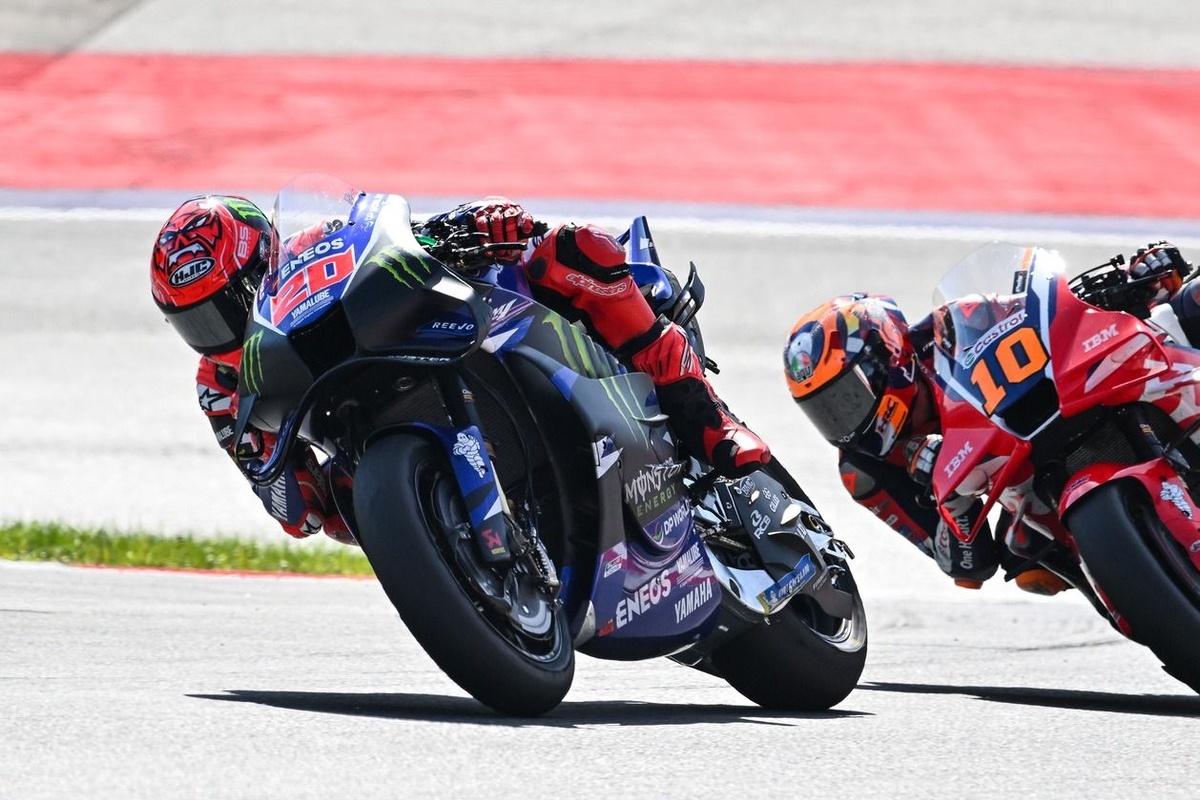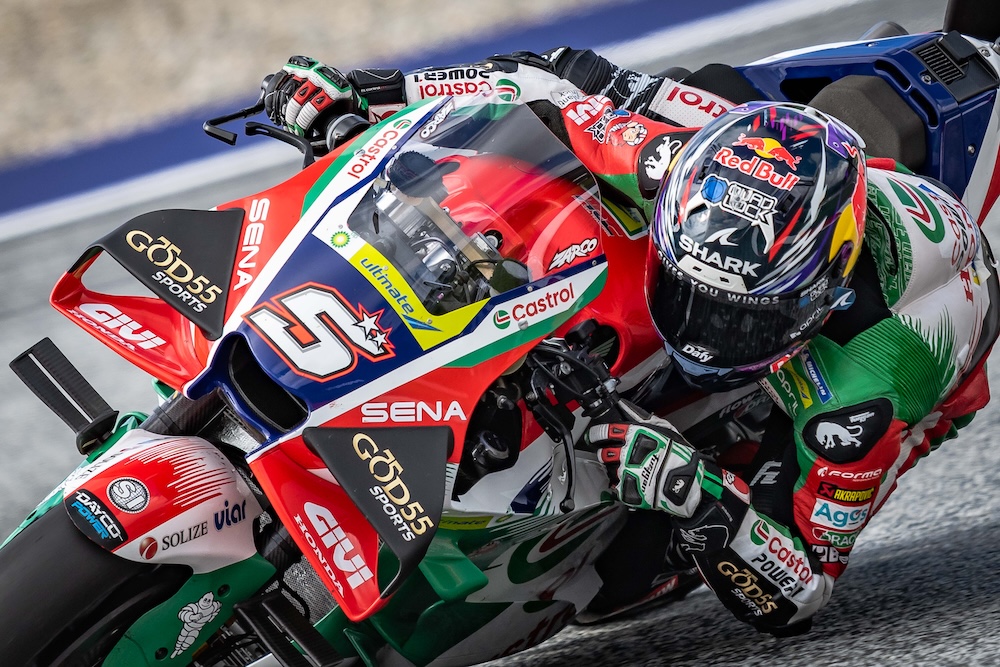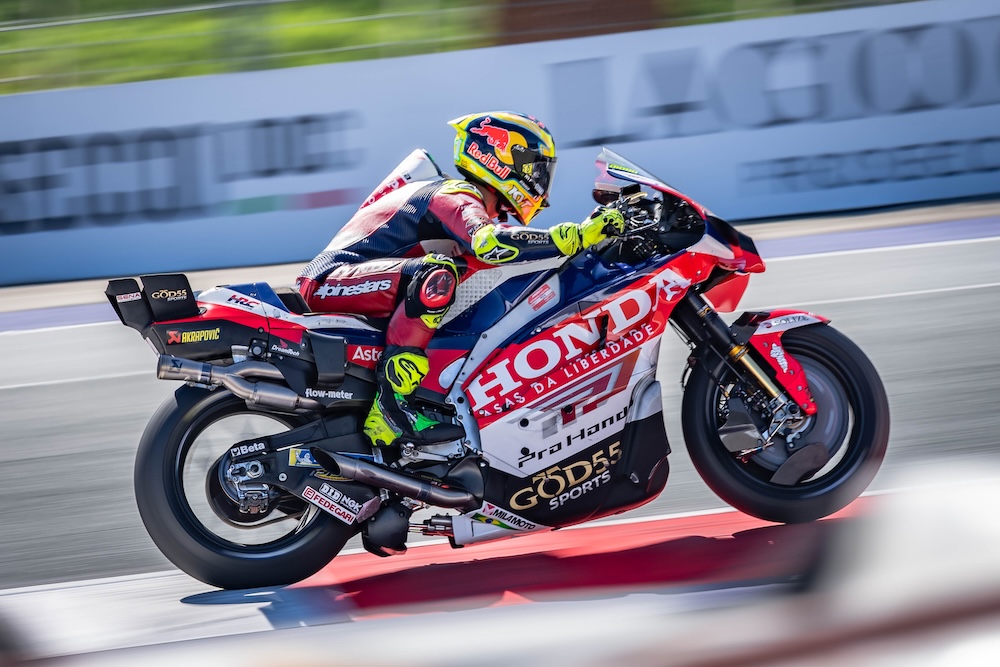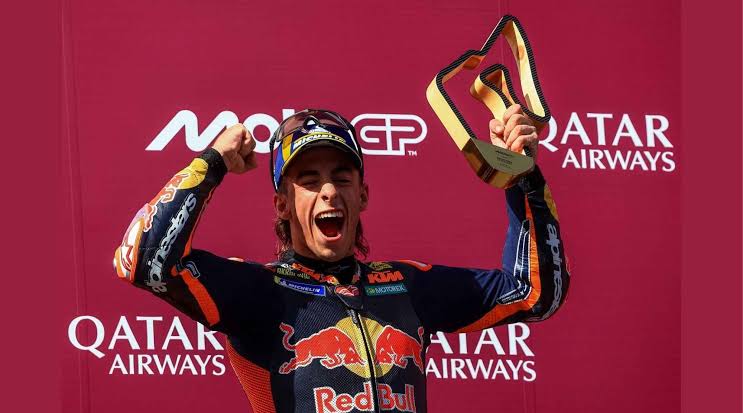
The thunderous world of MotoGP is on the cusp of a dramatic overhaul, set to electrify race weekends with a groundbreaking new qualifying format. Fans can expect a seismic shift as the sport moves towards a dual-session system, mirroring the high-octane excitement seen in Formula 1.
Key Points for the New MotoGP Qualifying:
- MotoGP plans to introduce two distinct qualifying sessions per race weekend.
- One session will determine the grid for the exhilarating Sprint Race, and another for the traditional Grand Prix.
- The new format is expected to be approved soon and implemented starting next season.
- This change aims to intensify Saturday action and boost strategic depth, drawing inspiration from Formula 1's successful model.
Doubling Down on the Thrill: A New Qualifying Era Beckons
The current MotoGP structure uses a single qualifying session to set the grid for both Saturday's Sprint Race and Sunday's main event. This unified approach is now slated for retirement. Insiders reveal that a proposal for separate qualifying sessions – one specifically for the Sprint and another for the Grand Prix – has been discussed and is reportedly well-received by teams and manufacturers alike.
This crucial update promises to inject even more drama into the race weekend. Imagine riders pushing their limits twice for pole position, each time with different stakes! The move is a clear signal of MotoGP's ambition to continuously elevate the spectator experience.
Emulating F1, But with a MotoGP Twist
Formula 1 has long utilized separate qualifying for its sprint events, and MotoGP is now ready to adopt a similar philosophy. While the inspiration comes from its four-wheeled counterpart, MotoGP plans its own unique spin on the schedule.
Unlike F1, where sprint qualifying and the sprint race often dominate Saturday morning, MotoGP is reportedly eyeing a late-afternoon slot for its sprint race. This strategic placement could offer a thrilling crescendo to Saturday's action, distinct from the F1 schedule.
Furthermore, there's a buzz about a potential evolution beyond the current Q1 and Q2 structure. Some stakeholders are advocating for a Q1, Q2, Q3 system, directly mirroring F1's three-stage knockout qualifying format. This would add another layer of strategic complexity and tension to every qualifying session.
The Rider's Edge: Increased Stakes and Strategy
The introduction of Sprint Races in 2023 brought immediate feedback from riders regarding increased stress and risk. With only one free practice session before crucial 'Practice' sessions determine Q2 entry, the pressure is immense.
Adding another dedicated qualifying session will undoubtedly demand even more from the riders, both physically and mentally. This isn't just more laps; it's more high-stakes, maximum-effort laps, demanding pinpoint precision and bravery. Teams will need to refine their strategies, not just for the races, but for two distinct qualifying assaults.
The Evolution of a Spectacle
It's fascinating to recall that the concept of MotoGP Sprint Races first emerged at Spielberg four years ago, shortly after F1 began experimenting with sprints in 2022. While F1 started cautiously with a few sprint events, MotoGP boldly integrated them into every single race weekend from 2023.
This relentless pursuit of excitement predates Liberty Media's highly anticipated acquisition of Dorna, the commercial rights holder for MotoGP, finalized in mid-2025. This shows a clear, organic drive within MotoGP to innovate and enhance its product, solidifying its place as a premier global motorsport. This isn't just a rule change; it's a statement about MotoGP's unwavering commitment to relentless, high-octane action.
.jpg)