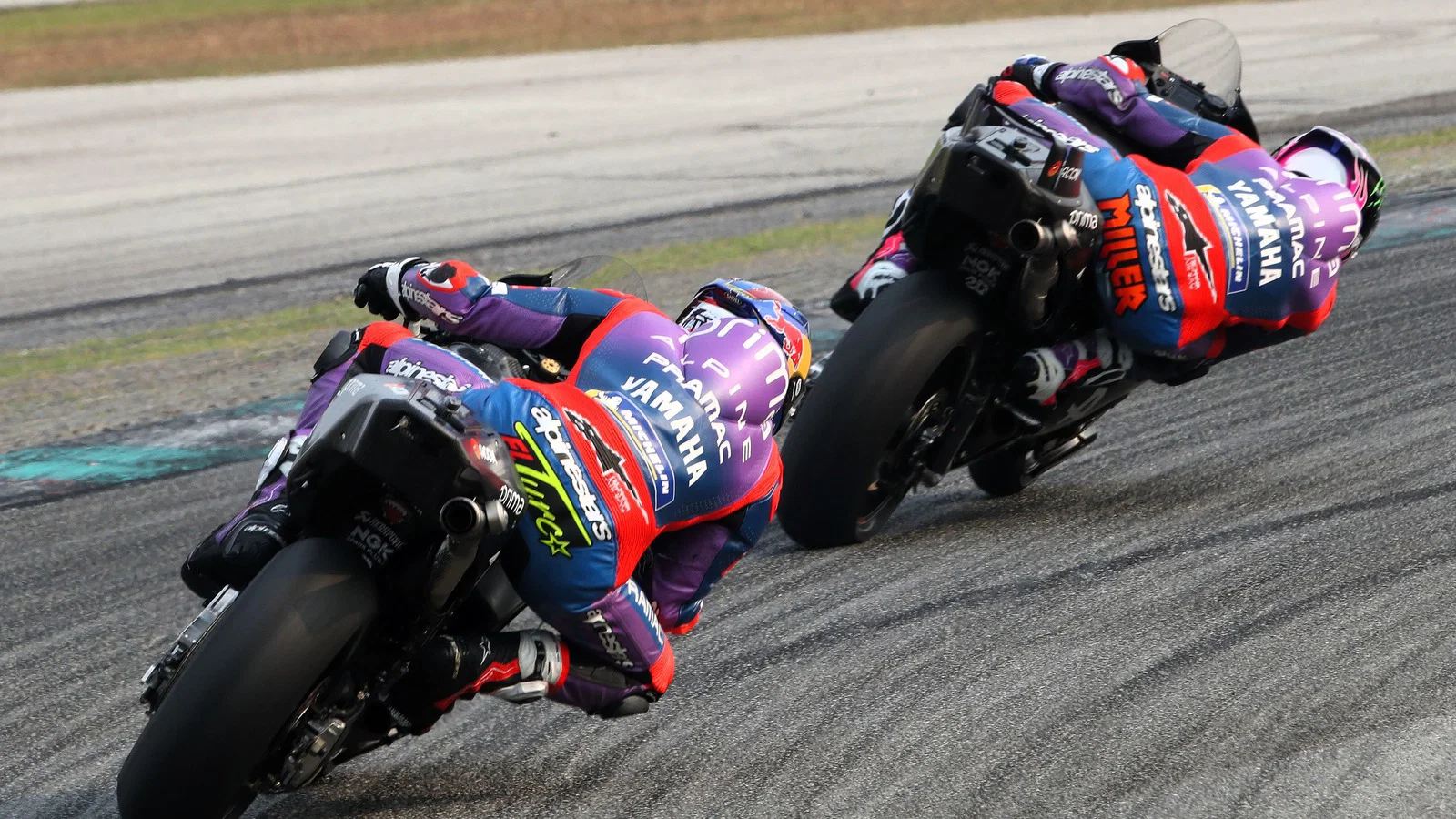



The MotoGP paddock is buzzing with discontent as a radical proposal threatens to redefine racing from the 2027 season onwards. Plans to limit riders to just one fully assembled machine per weekend have ignited a fierce backlash from the grid, with many fearing it will severely cripple the sport's spectacle and even rider participation. This isn't just a cost-cutting measure; it's a potential seismic shift that could fundamentally alter the very essence of MotoGP racing.
Key Points on the One-Bike Rule Debate:
- Cost-Cutting Initiative: Manufacturers propose the single-bike rule to reduce expenses, mirroring Moto2, Moto3, and F1.
- Rider Safety & Participation Concerns: Stars like Pedro Acosta warn that a single crash could end a rider's entire race weekend.
- Impact on the Spectacle: Riders argue it would eliminate thrilling elements like quick qualifying bike swaps and flag-to-flag races.
- Skepticism on Savings: Some doubt the measure will genuinely lead to significant cost reductions for teams.
The Outcry from the Grid: "A Really Bad Idea"
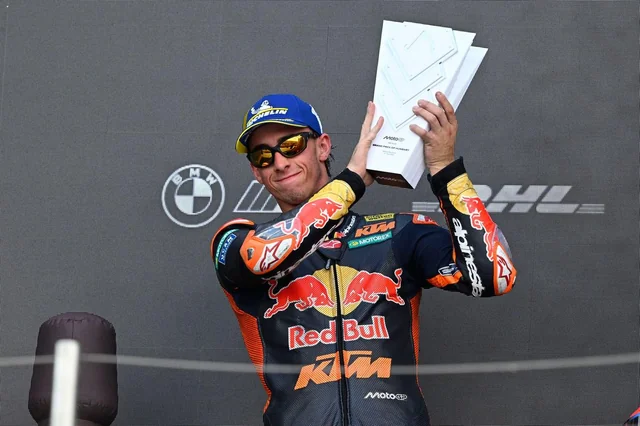
The immediate reaction from many top riders has been overwhelmingly negative. KTM sensation Pedro Acosta minced no words, labelling the proposed MotoGP one-bike rule as "a really bad idea." He highlighted the grim reality for riders if a single machine is all they have.
"If you crash in warm-up, you will not race," Acosta starkly put it. He emphasized that even a minor mishap in early practice sessions could prematurely end a rider's weekend, a scenario far too common in the high-stakes world of MotoGP. Rebuilding a bike from scratch in a few hours is simply unrealistic.
Sacrificing the Spectacle for Savings?
Honda's Luca Marini echoed Acosta's concerns, focusing on the potential damage to the racing spectacle. He champions the adrenaline-fueled moments when a rider crashes during a crucial qualifying session, sprints back to the pitlane, and immediately jumps onto their spare bike to set a pole-winning lap. These dramatic comebacks are iconic moments for fans.
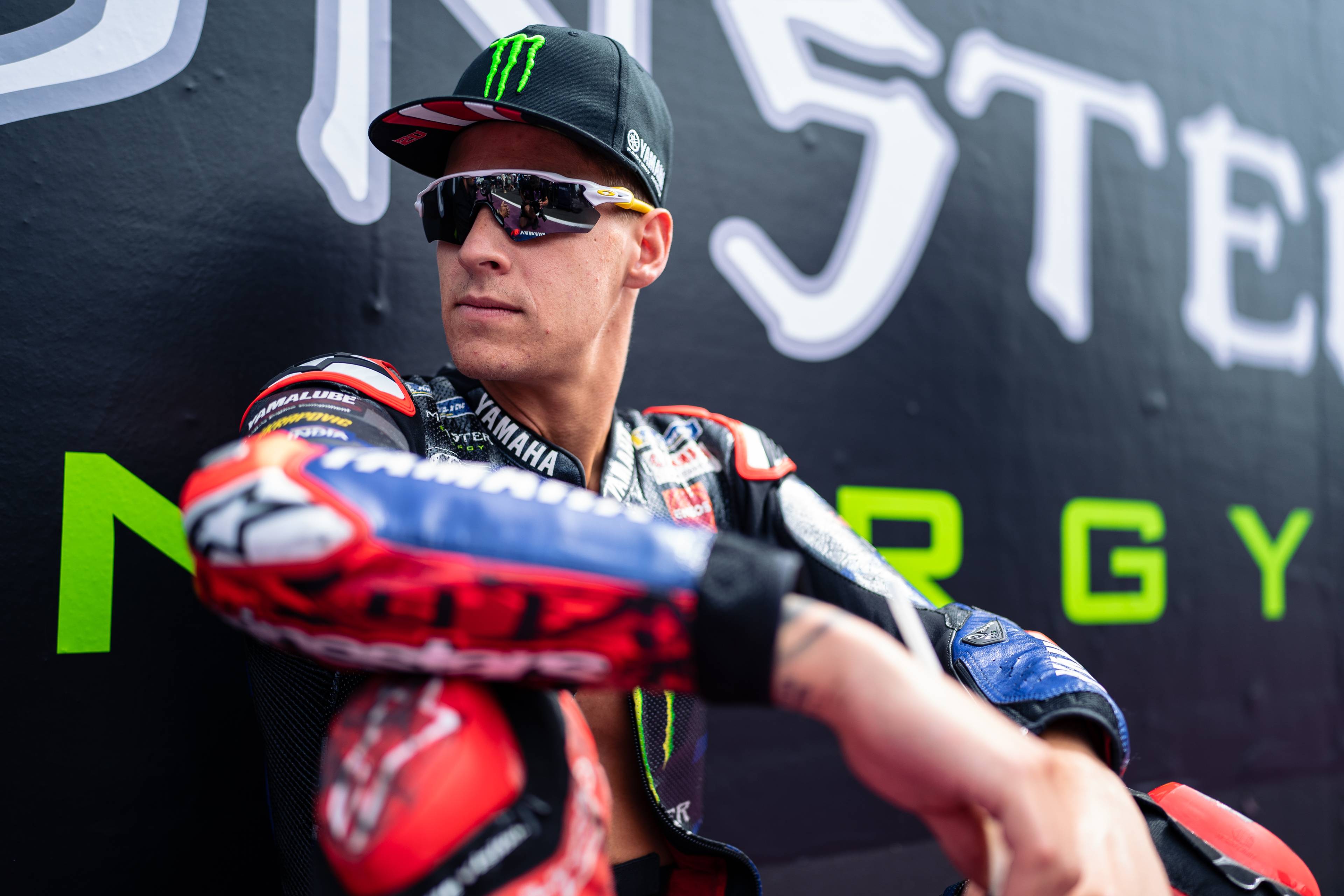
"It's worse for the show," Marini stated, fearing the loss of such exhilarating drama. Yamaha's Fabio Quartararo, the 2021 champion, also questioned the feasibility of beloved flag-to-flag races under such a restriction, a format hugely popular with fans and riders alike, as demonstrated by Marc Marquez's recent victory in the Jerez sprint race after a quick bike swap.
Manufacturers' Motives Under Scrutiny
While manufacturers are championing the MotoGP 2027 regulations change as a cost-cutting measure, riders like Luca Marini remain unconvinced. He speculated that teams might simply hide a "spare" bike behind the garage, effectively negating any true savings. Furthermore, he questioned whether such a change would even reduce staffing requirements, suggesting mechanics might just need to work faster.
Marini pointed out that more significant financial decisions, like the change from 1000cc to 850cc engines, are already underway and represent far greater expenses than the hypothetical savings from a single-bike rule. The core issue remains: will this rule genuinely alleviate financial pressure, or merely introduce new logistical nightmares?
A Divided Opinion Amidst the Rumours
Not every rider is entirely against the idea. Aprilia's Jorge Martin acknowledged the proposal as "rumours" and expressed a personal preference for two bikes but a willingness to adapt. "We cannot control what they will decide," he admitted, showcasing a pragmatic approach.
Interestingly, Honda's Joan Mir, who endured a challenging 2023 season with 22 crashes, was more accepting. He drew parallels to Moto2 and Moto3 where a single bike is standard. "If everyone has one, it's fine," Mir asserted, suggesting that parity might make the rule more palatable, even if it adds pressure.
The debate over the single-bike rule is far from over. As MotoGP looks to its future, the voices of its stars are making it clear that the integrity of the racing spectacle and rider safety must remain paramount over perceived financial efficiencies. The future of MotoGP could hinge on this critical decision.