MotoGP is set for one of its most significant regulatory shifts in years, with the Grand Prix Commission approving a series of changes that will reshape the sport from 2027 onwards. The headline decision is the complete removal of wildcard entries from the premier class.
From 2027, teams and manufacturers will no longer be allowed to field wildcard riders in any race. The rule applies across the board, including all manufacturers regardless of their concession status. This marks the end of a long-standing feature of MotoGP weekends, where veteran riders and test riders often made special one-off appearances.
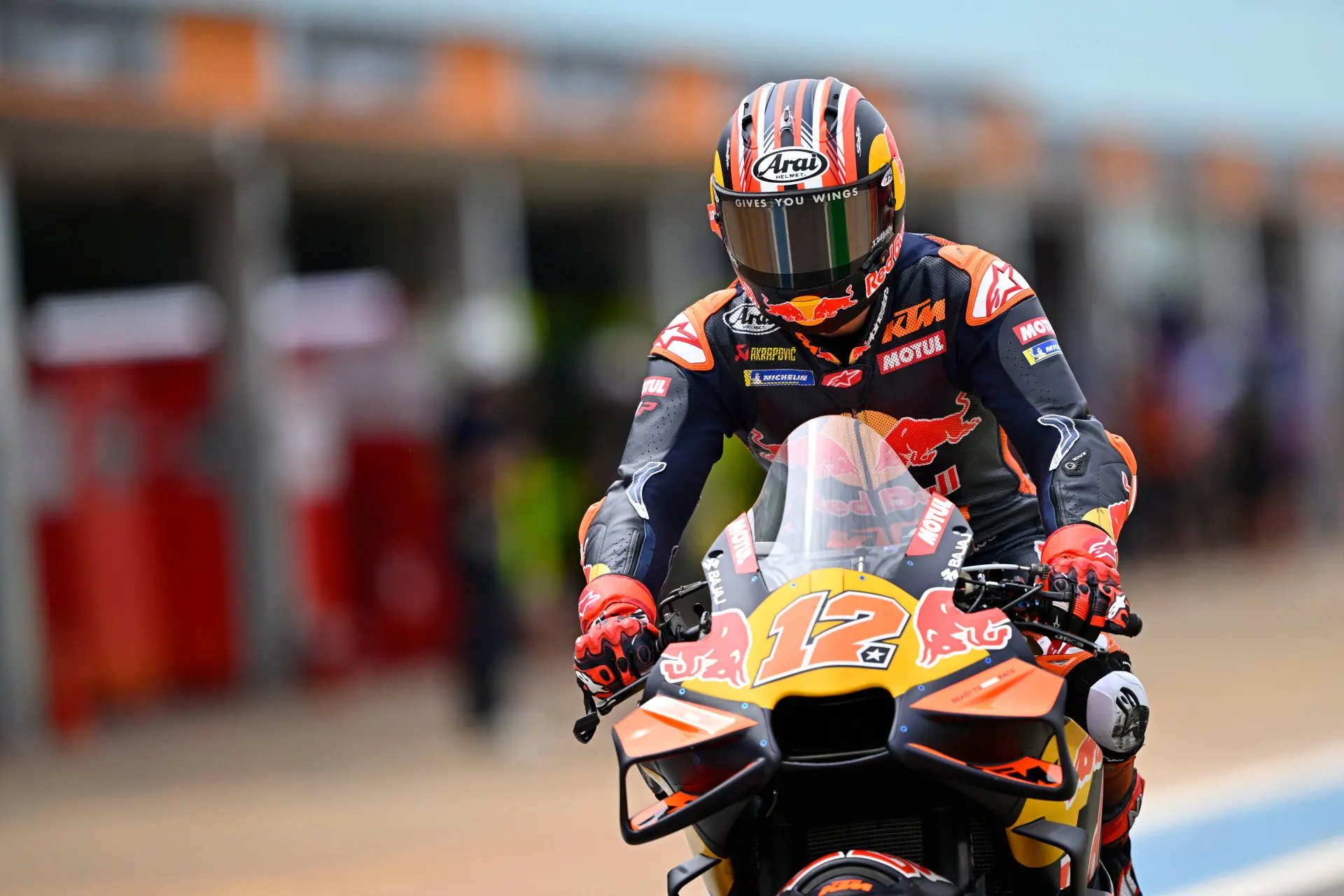
The change also signals the likely end of wildcard outings for popular figures such as Dani Pedrosa, who has continued to impress in recent KTM test and wildcard appearances. Unless replacing an injured regular rider, such return appearances will no longer be permitted beyond the 2026 season.
Alongside this, the commission has introduced a restriction on development testing through wildcards in 2026. Any wildcard entries that year will not be allowed to run the new 850cc 2027-spec machines. The aim is to prevent manufacturers from gaining an unfair early advantage ahead of the major technical regulation shift.
The decision is expected to impact development strategies across the paddock, as wildcard appearances have traditionally been used as valuable real-world testing opportunities for new parts and prototypes.
In another key ruling, MotoGP has confirmed the continuation of the tyre pressure monitoring system, despite ongoing debate within the sport. The system will remain in place even as discussions continue around future technical directions and the possible arrival of a new tyre supplier such as Pirelli.
The system has divided opinion among riders and teams, with concerns over its influence on race performance and strategy. However, the governing bodies have opted to retain it in the name of safety and regulatory consistency.
These decisions were made by the Grand Prix Commission, which includes representatives from the FIM, IRTA, MSMA, and MotoGP rights holder Dorna Sports, led by Carmelo Ezpeleta.
Together, the changes point toward a more controlled and streamlined MotoGP era, where testing opportunities are reduced and technical regulations become increasingly central to competition structure.