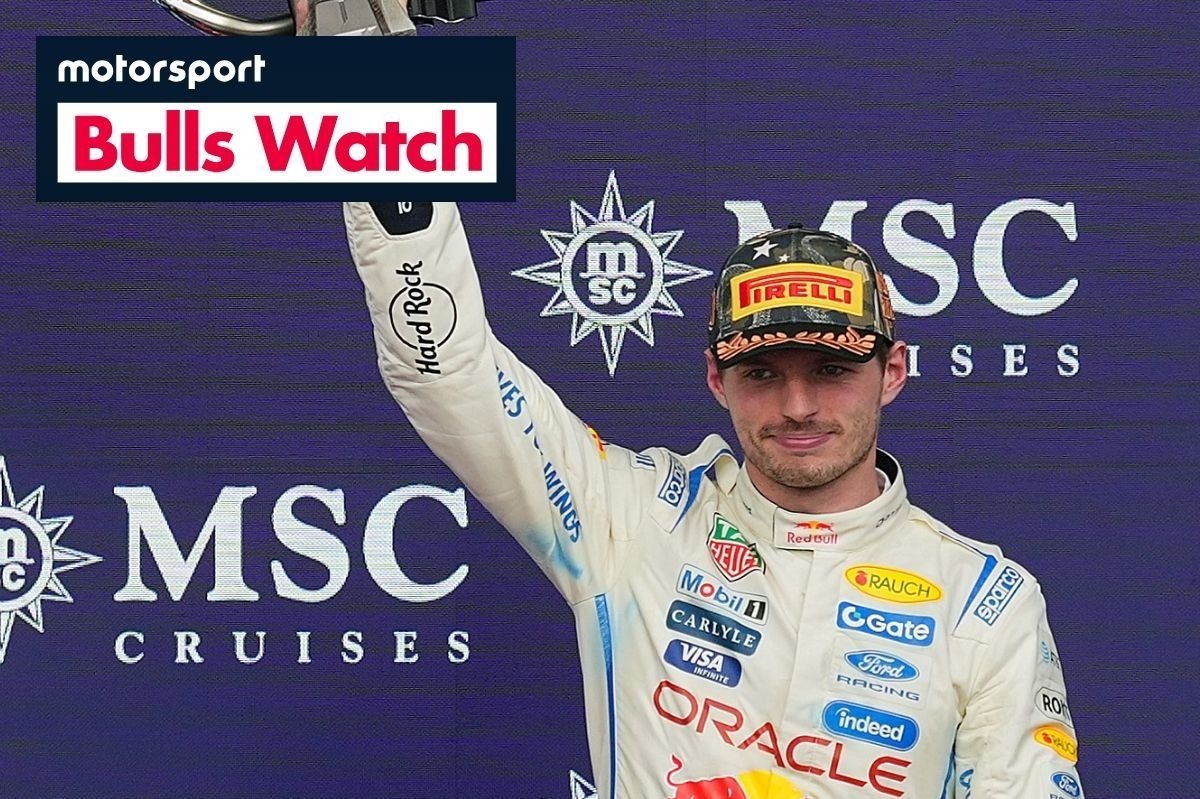

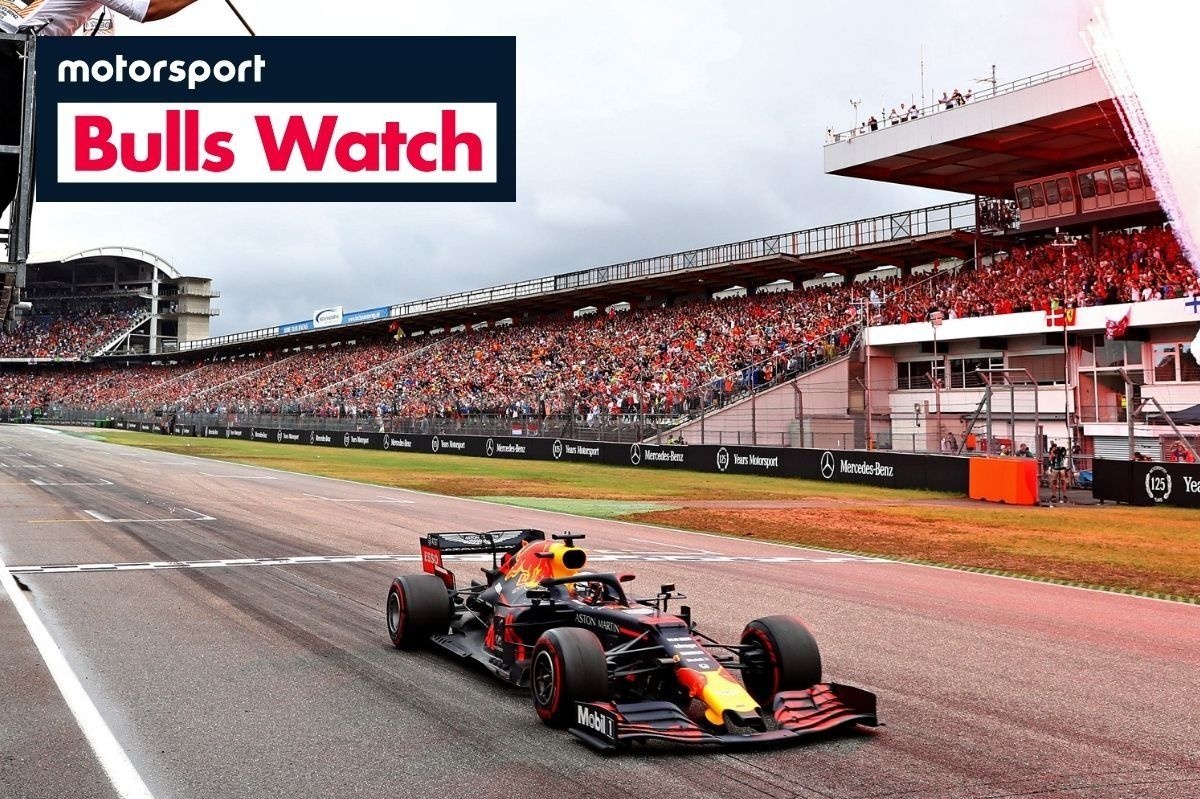

The Red Bull Racing machine, often seen as an unstoppable force, might be harboring a critical weakness. F1 analyst Naomi Schiff has issued a stark warning: the team's narrow operating window could be jeopardizing the campaigns of superstar Max Verstappen and rising talent Isack Hadjar. This isn't just about a single race; it points to a deeper systemic challenge for the Milton Keynes outfit.
Key Takeaways from Schiff's Red Bull Analysis:
- Red Bull Racing's F1 car operates within an incredibly tight "knife's edge" setup window.
- Both Max Verstappen and Isack Hadjar suffered costly race-start issues at the recent US Grand Prix.
- Naomi Schiff believes these problems are symptomatic of larger operational vulnerabilities within the team.
- Strategic missteps, coupled with car characteristics, led to a "damage limitation" race for Verstappen.
The US GP: Where Cracks Began to Show
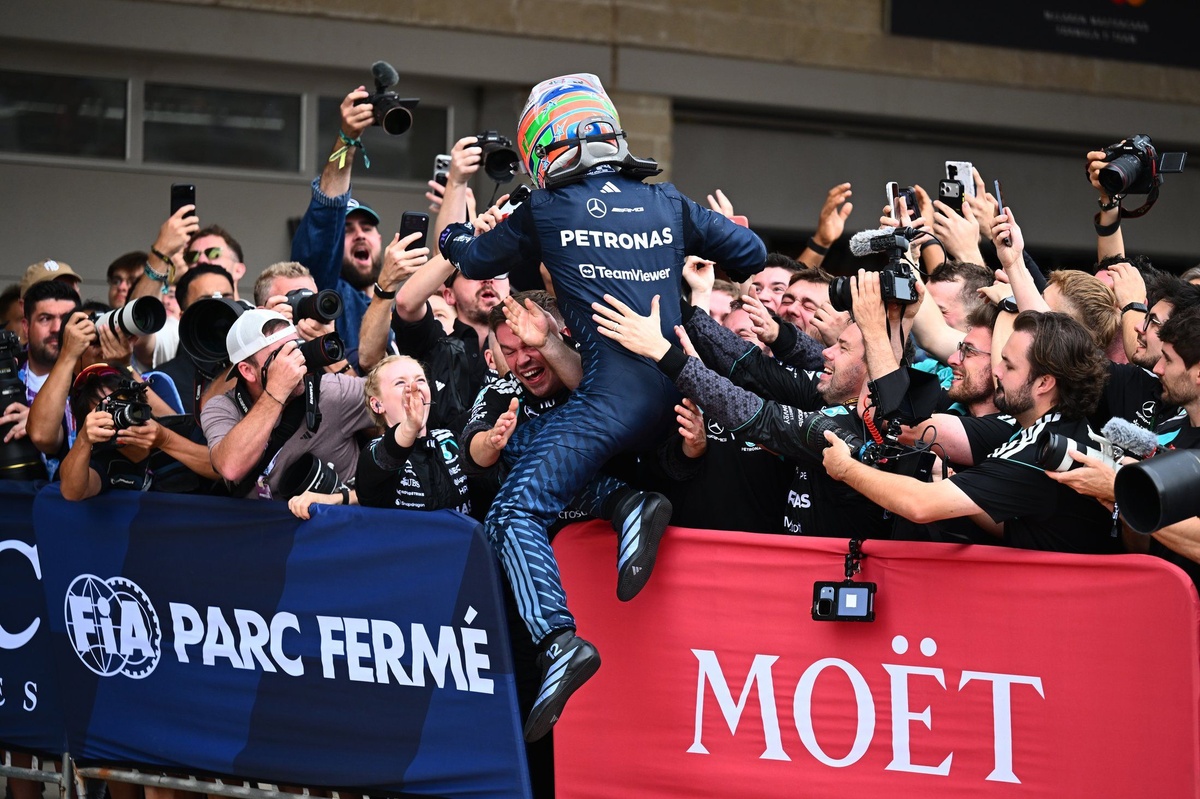
The recent United States Grand Prix exposed Red Bull's vulnerabilities in dramatic fashion. Isack Hadjar's race was compromised from the very start by a launch issue, leading him to publicly call for a clutch redesign. Not to be outdone, Max Verstappen's own start was plagued by a critical lack of electrical deployment out of Turn 1. This instantly plunged him into an unexpected, race-long brawl with the Ferraris, a battle he shouldn't have been in.
Schiff, speaking on the Up To Speed podcast, lamented the lost potential. "It was such a shame that they both didn't get off the line," she remarked, highlighting the missed opportunity for both drivers, especially for Hadjar to potentially clinch his first Formula 1 victory.
Navigating the 'Knife's Edge': Red Bull's Risky Philosophy?
Schiff's analysis goes beyond isolated incidents, suggesting a fundamental characteristic of the Red Bull car. "That Red Bull this whole weekend, it just feels like there's... a lot that needs to be looked at," she stated. Her critical observation points to a design philosophy that offers peak performance only under incredibly specific, and often precarious, conditions.
"It feels like there's really not a very big operational window that works with that car, and that it's really on a knife's edge, as it has been for a number of years now," Schiff explained. This tight window means any minor deviation, be it a subtle track condition change or a slight setup miscalculation, can send the car's performance spiraling.
Strategic Missteps and Driver Frustration
The US Grand Prix was a masterclass in "damage limitation" for Red Bull, particularly for Verstappen. The Dutchman himself admitted after the race that initial strategy calls might have been flawed. We even heard his frustration crackle over the radio, questioning decisions that sent him back into "dirty air" and potentially hampered his race optimization.
Schiff concluded that the car simply isn't "very easy to drive for either of those drivers at the moment." This isn't just a challenge; it's a potential Achilles' heel that Red Bull Racing must address if they want to maintain their dominance and ensure their drivers can consistently extract maximum performance without battling the car itself. The stakes are incredibly high, especially looking ahead to the upcoming 2026 regulations.