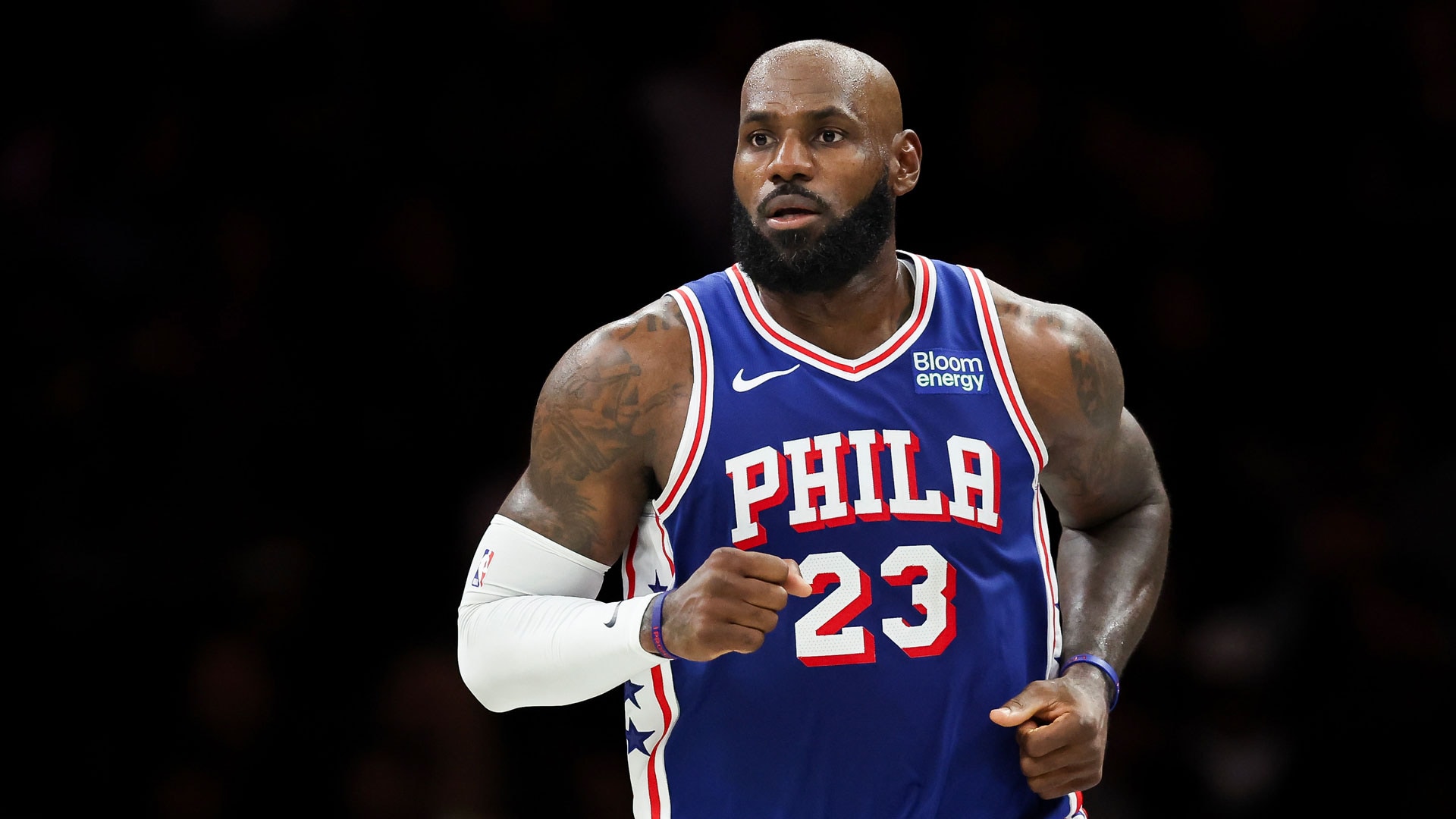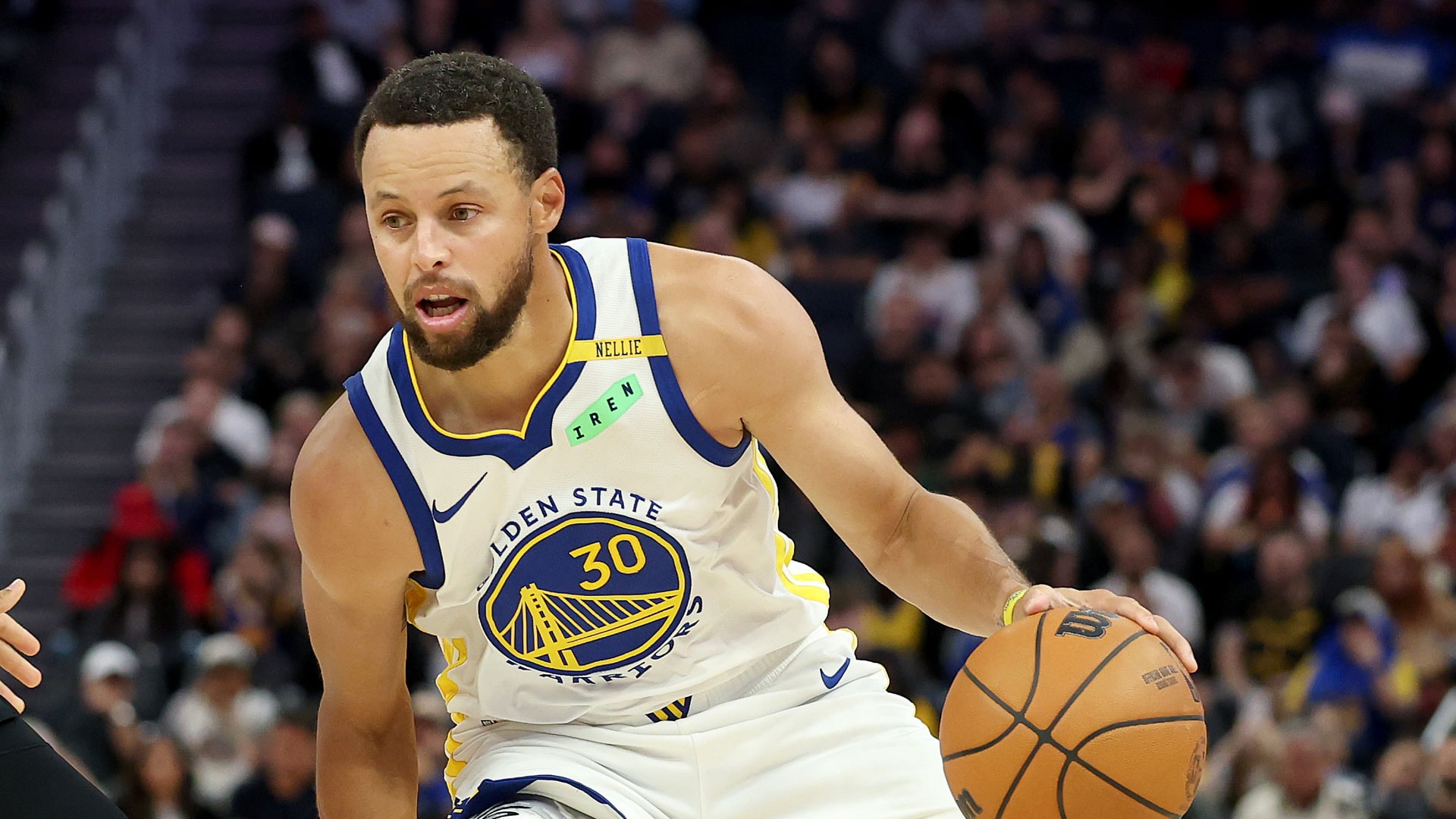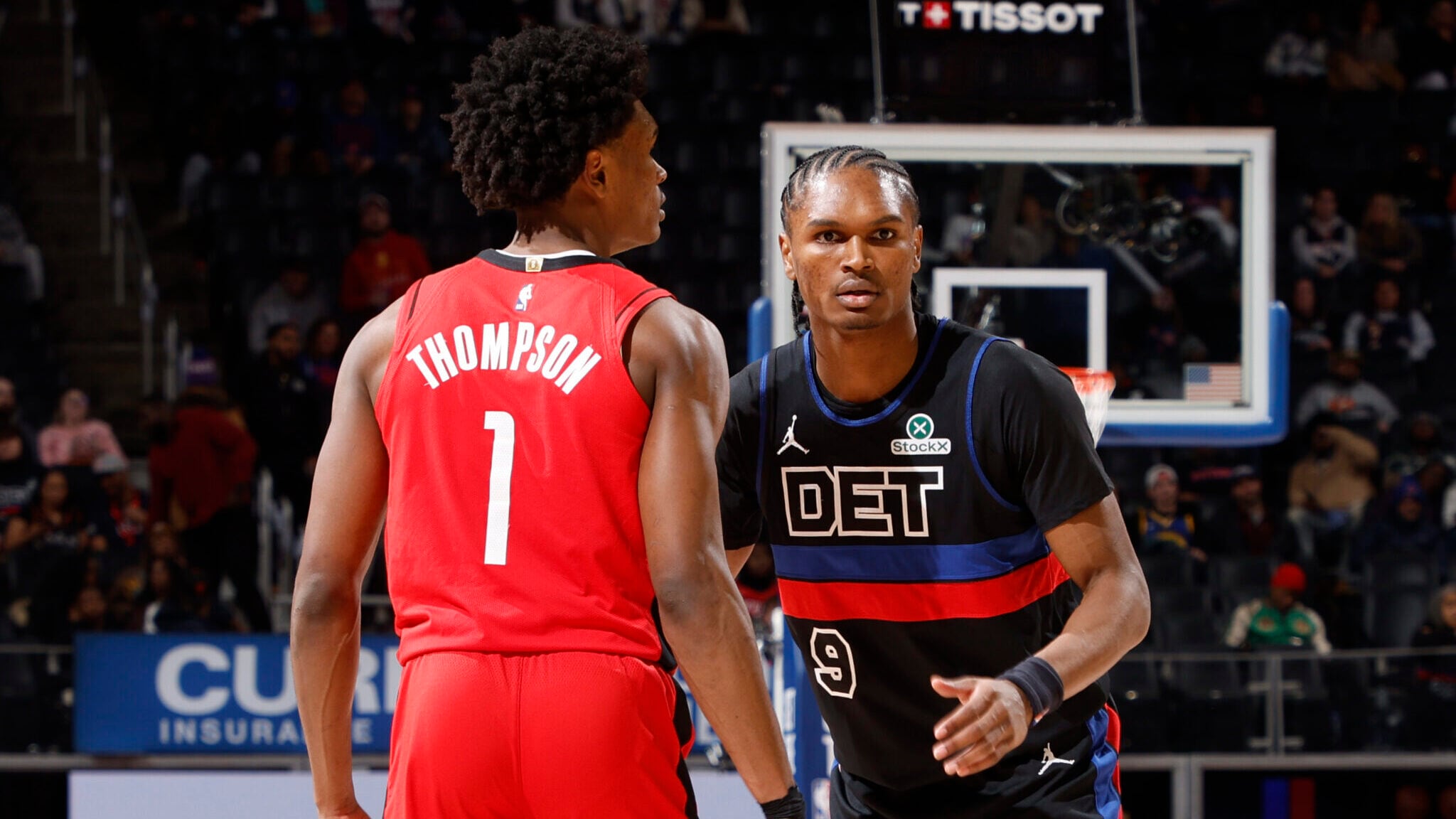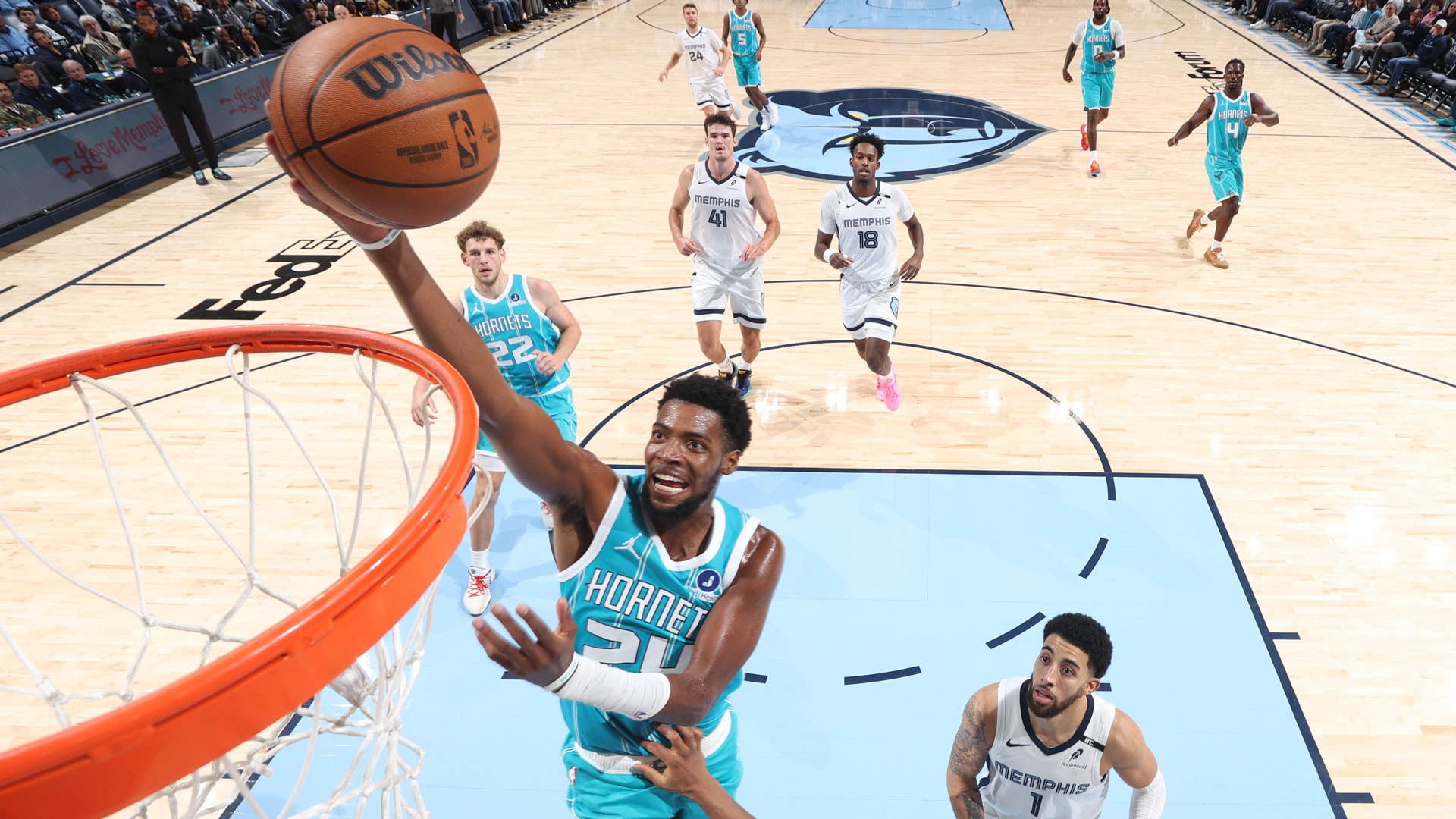


The era of championship basketball being solely defined by a pair of superstar talents is officially over. As the NBA readies for the 2026-27 season, one word echoes across every front office and locker room: depth. The path to the NBA Finals and ultimately, the Larry O'Brien Trophy, now runs through a full complement of capable players.
Key Takeaways:
- Competitive Balance: Draft lottery reforms and the CBA have made the league exceptionally deep, meaning even strong teams can miss the playoffs.
- Championship Proven: Recent champions like the New York Knicks (2026) demonstrated that stars combined with crucial bench contributions are the winning formula.
- Sustainability: Depth allows teams to navigate injuries, the grueling 82-game schedule, and maintain peak performance into deep playoff runs.
- Strategic Advantage: Coaches leverage deep rosters for versatile lineups, counter-strategies, and to wear down opponents over a series.
The New NBA Landscape: Depth Over Dominance
The landscape of the NBA has fundamentally shifted. Gone are the days when a single transcendent talent, or even a dominant duo, could guarantee a path to the title. We haven't seen a repeat champion since the Golden State Warriors in 2018, nor a team return to consecutive NBA Finals since them in 2019. This undeniable trend highlights a league where competitive balance is at an all-time high.
Teams across the league are acknowledging this new reality. As NBA commissioner Adam Silver observed during the 2026 NBA Finals, "Look how deep these rosters are and look how deep teams have to be to be successful in this league." This sentiment resonates from every corner of the association, emphasizing that sustained success hinges on a robust supporting cast.
Championship Formula: More Than Just Star Power
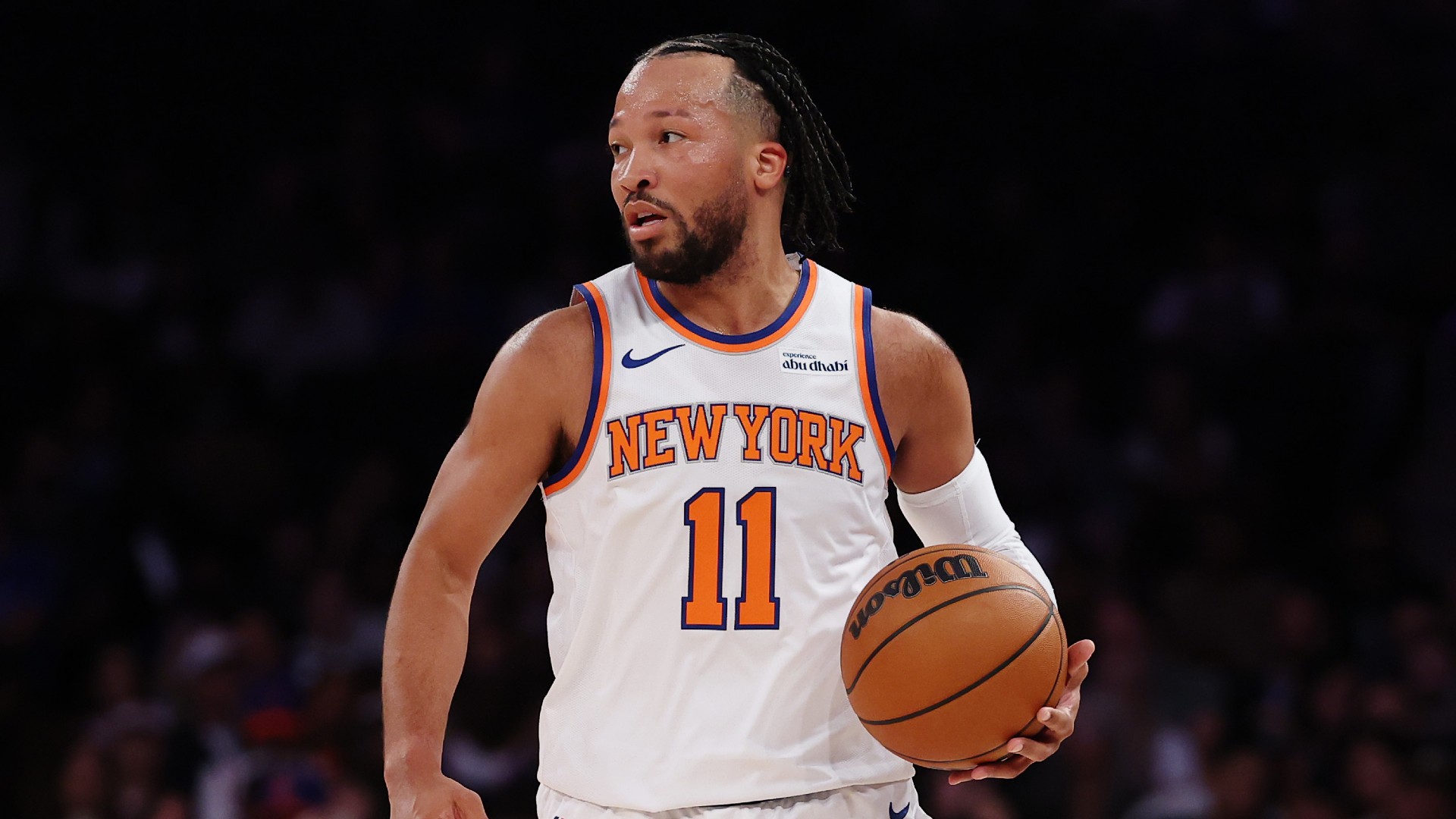
While All-NBA level talent remains crucial, the recent history of champions proves that a title run demands significant contributions from the entire roster. The 2026 New York Knicks, for example, lifted the trophy with their star duo of Jalen Brunson and Karl-Anthony Towns, alongside a formidable starting five including Josh Hart, OG Anunoby, and Mikal Bridges.
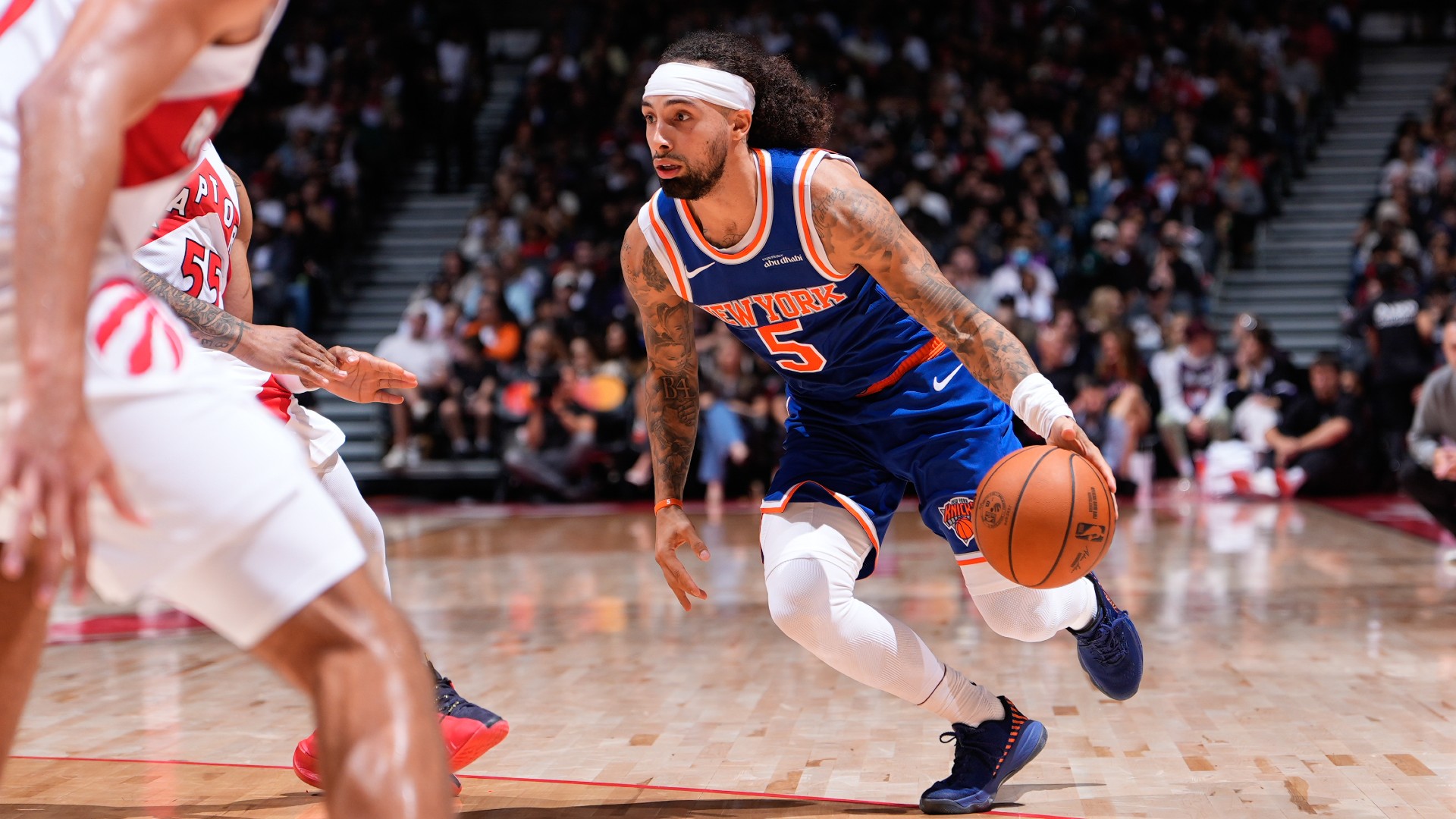
However, their success was equally dependent on the impact of players like Jordan Clarkson, Jose Alvarado, Landry Shamet, Mitchell Robinson, and Miles McBride coming off the bench. Alvarado's eight points, three assists, and two rebounds in a pivotal Game 4 Finals victory against the San Antonio Spurs underscored the point. Similarly, Shamet's scorching 16-for-35 three-point shooting in the Knicks' final seven playoff games, and Robinson's 10 rebounds in the championship-clinching Game 5, were instrumental.
One veteran coach theorizes that while star players might win 12 of the 16 necessary playoff games, the remaining four critical victories often come down to the heroics of role players. This is why fostering a culture where every player is encouraged to be a "star in their role" is paramount.
Teams like the Spurs and Oklahoma City Thunder have long embraced this philosophy. The 2025 champion Thunder consistently built deep rosters, with 12 players logging significant minutes in their championship season. Thunder EVP and GM Sam Presti emphasizes putting players in "uncomfortable positions by design" to develop a cohesive unit ready for any scenario, even if it means sacrificing some regular-season wins for long-term playoff benefits.
Why Depth is Non-Negotiable in Today's Game
The enduring philosophy of the Golden State Warriors' dynasty, famously encapsulated by "Strength in Numbers," remains acutely relevant. As Warriors general manager Mike Dunleavy Jr. points out, building a deep team ensures that even when key players are unavailable, the team can still compete and win. This goes beyond just filling a bench; it's about having multiple options at every position.
Depth provides critical insulation against the inevitable challenges of an 82-game schedule, including injuries, back-to-back games, and travel fatigue. It also fuels healthy internal competition, pushing players to improve and stay ready for their moment.
The modern NBA game, characterized by its rapid pace, expansive spacing, and intense physicality, demands a rotation that can adapt. Having a fresh, versatile lineup ensures teams can maintain high energy levels, counter opponent strategies, and ultimately wear down even the toughest competition during a grueling playoff series. As Brooklyn Nets coach Jordi Fernandez asserts, "A majority of winning teams, they need 12-to-14 playable players to contribute and be ready to play." This is the undeniable trend of the league, and the blueprint for future champions.