
The War on Tanking: Why Change Was Imperative
For years, the specter of intentional losing, or tanking, has haunted the NBA, eroding the competitive integrity of the regular season. This issue came to a head when the league levied substantial fines against the Utah Jazz ($500,000) and the Indiana Pacers ($100,000) for benching players who could have contributed to victories.
Commissioner Adam Silver minced no words at the time, declaring, "Overt behavior like this that prioritizes draft position over winning undermines the foundation of NBA competition." It was a clear signal: the league was not just upset; it was ready for fundamental change.
Cracking Down on Intentional Losing
The onus fell on Evan Wasch and his team, alongside NBA Executive Vice President and Head of Basketball Operations James Jones, to engineer a solution. Their mission was clear: create a system where teams are always incentivized to win, rather than strategically lose to secure a high draft pick.
The collaborative process, involving extensive engagement with teams and governors, was "difficult to get away from" due to the passion surrounding the issue, as Wasch noted. The result is a system aimed at rooting out conduct that compromises the integrity of NBA games.
Unpacking the "3-2-1" Lottery Revolution
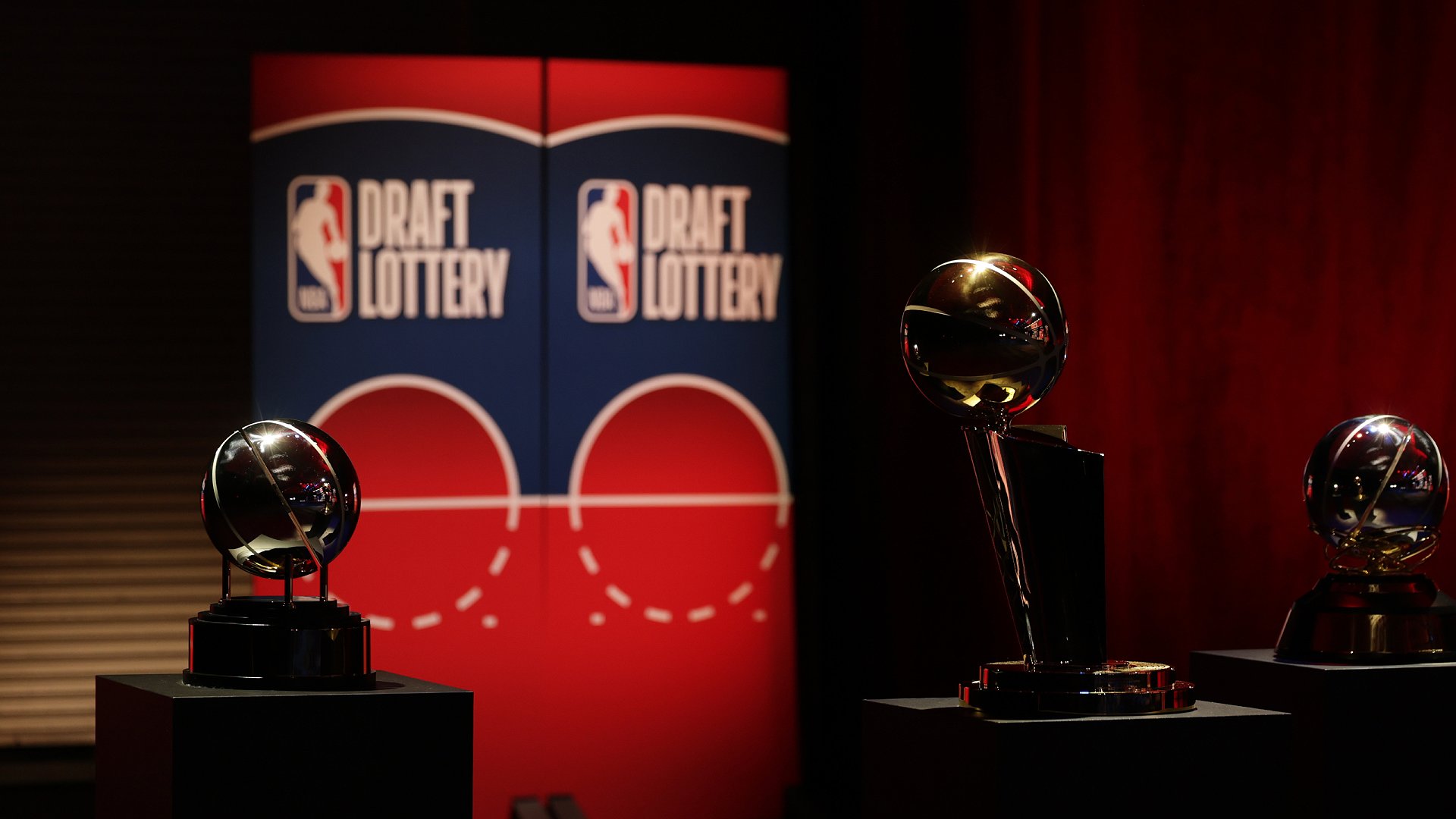
Approved by the NBA Board of Governors on May 28, the "3-2-1 lottery" system is a complete overhaul of how teams will vie for top draft picks. This innovative format assigns either three, two, or one lottery balls to each of the 16 non-playoff teams, flattening the odds significantly.
Shifting the Odds: No More Guaranteed Bottom
- To incentivize winning, the three teams with the absolute worst records will *not* have the best odds for the No. 1 pick. Instead, they each receive two lottery balls.
- The next seven non-play-in teams will each receive three lottery balls, providing a surprising boost to slightly better-performing clubs.
- The No. 9 and No. 10 play-in seeds each get two lottery balls, while the losers of the No. 7-No. 8 play-in games receive one lottery ball each.
- The bottom three teams are "draft relegated," guaranteeing them no worse than the No. 12 pick, while other teams can fall as low as No. 16.
- Critically, no team can secure the first pick in two consecutive drafts, or a top-five pick in three consecutive drafts, promoting broader talent distribution.
Commissioner's New Hammer: Enhanced Discipline
Perhaps the most significant deterrent against tanking lies in the league's expanded disciplinary authority. Commissioner Adam Silver now has unprecedented power to address egregious behavior, including the ability to:
- Reduce teams' lottery odds.
- Modify teams' actual draft positions.
- Impose substantial fines on offending teams.
This systemic change means that trying to "game" the system or simply absorb fines will no longer be a viable strategy. "It’s not to your benefit to go out there and lose a game," James Jones affirmed, underscoring the shift in philosophy.
A New Era of NBA Competition?
The ultimate vision for this reform is a league where every game, from tip-off to the final buzzer, holds genuine competitive value. Evan Wasch believes this will lead to "a much more competitive dynamic," where teams across the spectrum are motivated to build strong rosters and play their healthy stars.
Spreading the Wealth: Talent Across the League
The reform is also expected to foster greater talent distribution. With top odds no longer concentrated at the very bottom, teams will need to be smarter about scouting and player development throughout the draft. James Jones highlighted the current depth of talent in the NBA, noting that many impact players are found well outside the top 10.
This means less reliance on a single superstar savior and more emphasis on robust team building. The goal is a truly balanced league where the incentive is always to win, ensuring the integrity and excitement of every NBA season.