
The People's Game: How NYC is Revolutionizing the 2026 World Cup Experience
The 2026 FIFA World Cup in New York City isn't just about stadium spectacle; it's a bold declaration of accessibility and community, championed by city leaders determined to ensure every New Yorker feels the game's pulse. Faced with soaring costs and logistical hurdles, New York City has carved its own path, creating a blueprint for an inclusive global event.
Key Initiatives for an Accessible World Cup
- NYC secured 1,000 discounted World Cup tickets at $50 each, a unique commitment among host cities.
- Free fan festivals, late-night soccer pitches, and community events expanded access far beyond MetLife Stadium.
- The city committed to a lasting legacy, establishing 24/7 free soccer fields across all five boroughs.
- Symbolic outreach, including poignant events at Rikers Island, emphasized unity and shared passion.
Reimagining World Cup Accessibility in the Big Apple
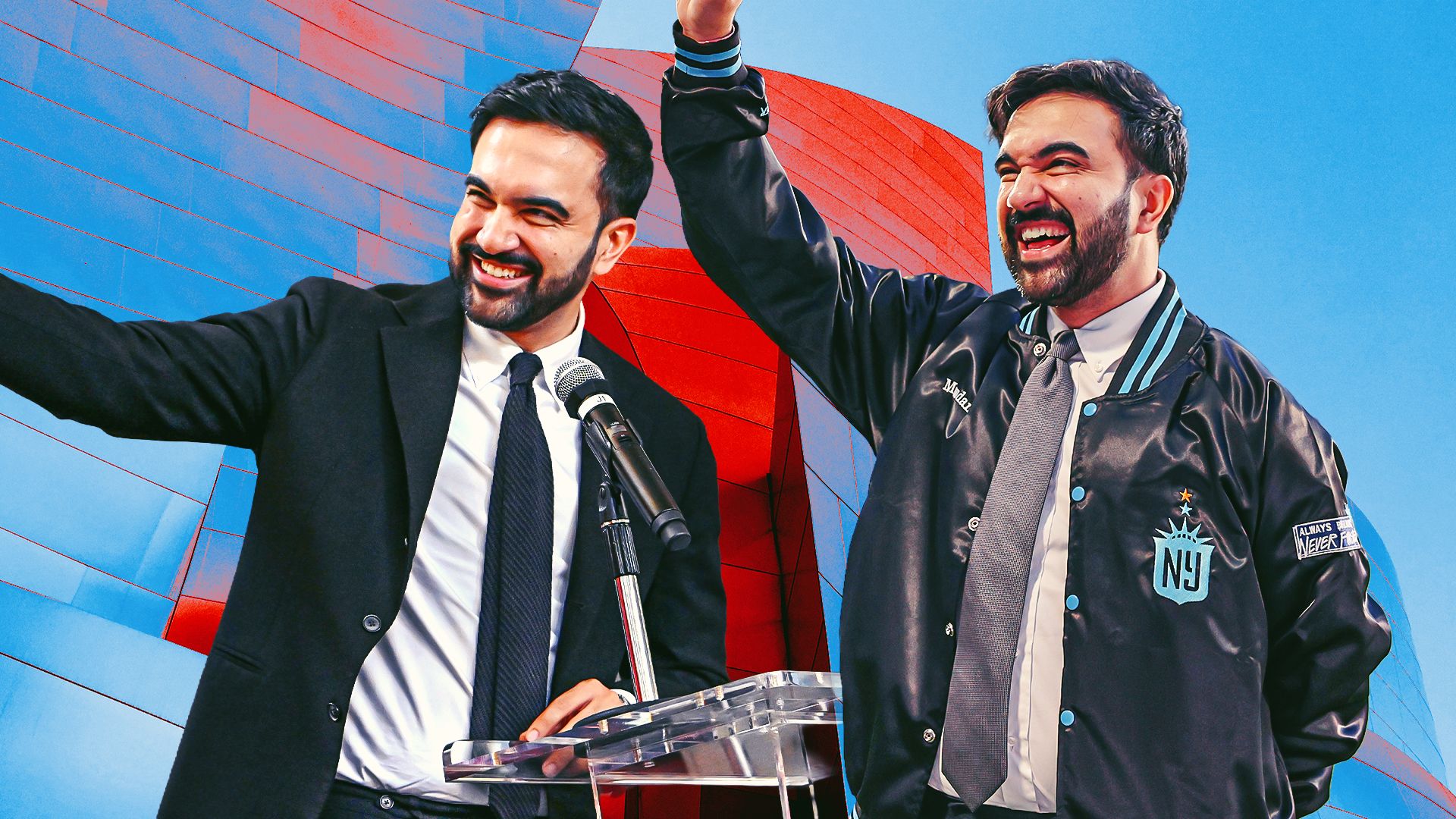
From the outset, the challenge was clear: high ticket prices and inflated transport costs threatened to sideline many fans. Zohran Mamdani, the city official leading New York City's World Cup efforts, understood that while stadium decisions often rested with FIFA and state partners like New Jersey, the city could profoundly impact the fan experience outside the venue.
Battling the Price Tag: Discounted Tickets and Free Fan Zones
New York City achieved a significant first, securing an allocation of 1,000 discounted tickets at just $50 apiece – a stark contrast to thousands-dollar general admission. This groundbreaking move set NYC apart. Moreover, all city-hosted fan festivals, initially conceived as ticketed events, were made entirely free. These initiatives were complemented by $26 food and drink deals at select city bars and restaurants, further easing the financial burden on fans.
The city's commitment extended to the vibrant local soccer scene. A partnership with the NWSL saw Gotham FC battle Washington Spirit at Citi Field for a mere $15 a ticket. The result was a spectacular sell-out, drawing 42,175 fans and proving that accessible pricing unlocks immense enthusiasm.
Beyond the Stadium: Embracing NYC's Diverse Fan Base
New York City's unique demographic, boasting immense immigrant populations, makes it a true global soccer hub. "You cannot describe the soccer or the football culture of New York City without describing immigrant culture," Mamdani explained, highlighting how this ensures "no matter who's playing, it's a home game." The city leveraged this by strategically targeting programming in dozens of enclaves across the five boroughs.
Fifty car-free streets near schools were transformed into temporary football pitches, and events were hosted directly within immigrant communities. Even Gracie Mansion, the Mayor's residence, saw pickup games, famously featuring global icon Mario Balotelli. These efforts celebrated diverse diasporas, from the established Brazilian and Colombian communities to those seeing their nations – like Uzbekistan, Cape Verde, and Haiti – qualify for the first time in decades.
Building a Lasting Legacy: From Pitches to Pathways
The true measure of a World Cup's success extends far beyond the final whistle. For Mamdani, the legacy lies in providing opportunities for future generations to play. On June 8, standing alongside 1995 Ballon d’Or winner George Weah on a newly unveiled five-a-side pitch in Central Park, Mamdani emphasized this vision.
Fueling the Future: Grassroots Development
"We wanted to make this something that could live on beyond just the game," Mamdani stated. This commitment materialized into the creation of a permanent pitch in Central Park and the ambitious goal of one 24/7 free-access soccer field in each of NYC's boroughs. These initiatives directly address the prohibitive costs and inaccessibility that often plague youth soccer in the United States.
Mamdani hopes that decades from now, a future USMNT legend will trace their journey back to one of these accessible fields. The statistics already underscore soccer's growing footprint: almost as many Americans watched the USMNT play as tuned in for the Knicks, demonstrating the game's undeniable surge in popularity and its potential for even greater reach.
Unity Through Sport: The Rikers Island Revelation
Perhaps the most poignant moment illustrating New York City's inclusive vision occurred at Rikers Island. This isolated complex, often seen as separate from the city, was for one day profoundly connected through the World Cup. Mamdani reflected on the experience: "When you're in a place like Rikers Island, it feels like you're living in a different world... we want to make clear that this is, in fact, one city. What's so special about [the World Cup] is that no matter where you are in your life, you're all watching the same game."
This powerful sentiment encapsulates New York City's ambitious goal: to host a World Cup that transcends boundaries, celebrates diversity, and leaves a tangible, lasting legacy of unity and opportunity for every single one of its residents. It's not just about the matches; it's about the message.