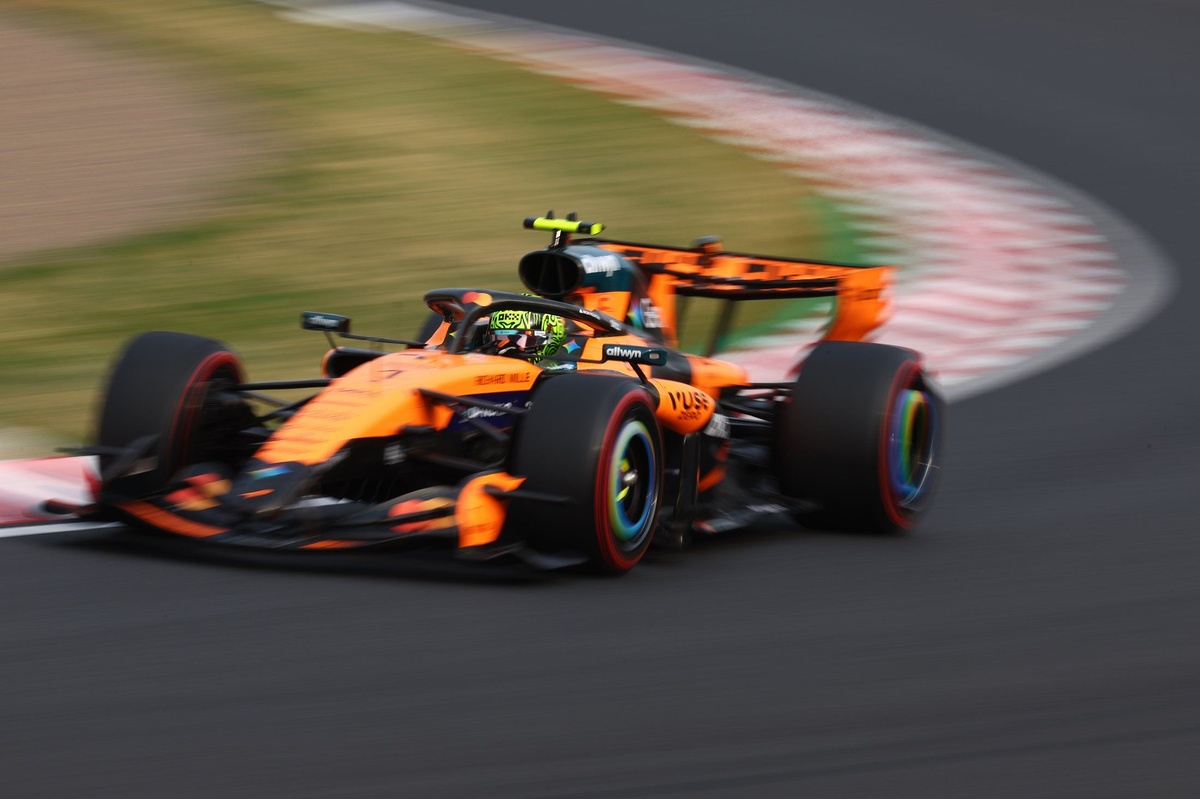



The 2026 Formula 1 season looms large, bringing with it a radical overhaul of engine regulations. McLaren ace Oscar Piastri has weighed in, acknowledging the latest tweaks are a positive move, but he’s not convinced they'll be the final word. The sport faces an immense challenge to balance raw power with sustainable technology.
Key Points:
- Oscar Piastri praises the initial 2026 F1 regulation adjustments as a "step in the right direction."
- Significant power unit modifications include increased super clipping power (from 250 kW to 350 kW) and reduced energy harvesting (from 8 MJ to 7 MJ).
- A new 'low power start detection' system aims to prevent stalling at race starts.
- Piastri lauded the unprecedented collaboration between drivers, teams, F1 and the FIA in implementing these changes rapidly.
- The McLaren driver believes further refinements will likely be necessary beyond the initial rollout at the Miami Grand Prix.
Unpacking F1's Evolving Power Unit Landscape
The upcoming 2026 Formula 1 season promises a seismic shift in power unit philosophy. Recognizing the complexity, F1 and the FIA have already introduced key amendments, set to debut even before the full regulation set. These proactive changes underline the sport's commitment to refinement.
The Core of the Technical Adjustments
The immediate modifications, coming into effect around the Miami Grand Prix (May 1-3), target critical areas of performance and race management. One major shift is boosting the super clipping power from 250 kW to 350 kW. This aims to shorten battery recharge times, crucial for sustained performance.
Simultaneously, the maximum energy recovery limit sees a reduction from 8 MJ to 7 MJ. This adjustment is designed to curb excessive harvesting, striking a better balance between regeneration and raw engine output. Furthermore, a 'low power start detection' system will activate minimum acceleration if a car struggles off the line, promising more consistent race starts.
Piastri's Realistic Take on the Future
Speaking on the High Performance podcast, Oscar Piastri offered a candid assessment. While acknowledging the current tweaks are a "step in the right direction," he admitted the intricate nature of the new power unit rules still requires deeper understanding. "There's a lot of rules I still need to actually look through and see what specifically changes," Piastri stated, highlighting the ongoing complexity.
The McLaren star emphasized that with such advanced engine technology, compromises are inevitable. This pragmatic viewpoint suggests a long road ahead for optimizing the 2026 regulations.
A New Era of Collaboration
Perhaps the most encouraging aspect for Piastri is the newfound synergy within the F1 ecosystem. He highlighted the "coordination and collaboration between the drivers, teams, F1 and the FIA" as a significant positive. This unified approach, he noted, has been particularly refreshing for more seasoned figures within the paddock.
This collective effort is vital as the sport navigates the intricacies of the 2026 rulebook. Piastri remains cautiously optimistic, believing these changes will be visible at the Miami Grand Prix but also anticipating further iterations in the years to come.
The Road Ahead for F1's Regulations
While the initial adjustments mark progress, Piastri strongly suspects these won't be the last. "I think there probably will need to be some further tweaks," he predicted, hinting at future revisions. The ease of implementing these potential further changes remains an open question for the upcoming seasons.
The overarching sentiment, however, is clear: Formula 1 is moving in the right direction. The evolution of the 2026 regulations will be a dynamic process, with drivers like Piastri at the forefront of shaping the sport's high-octane future.