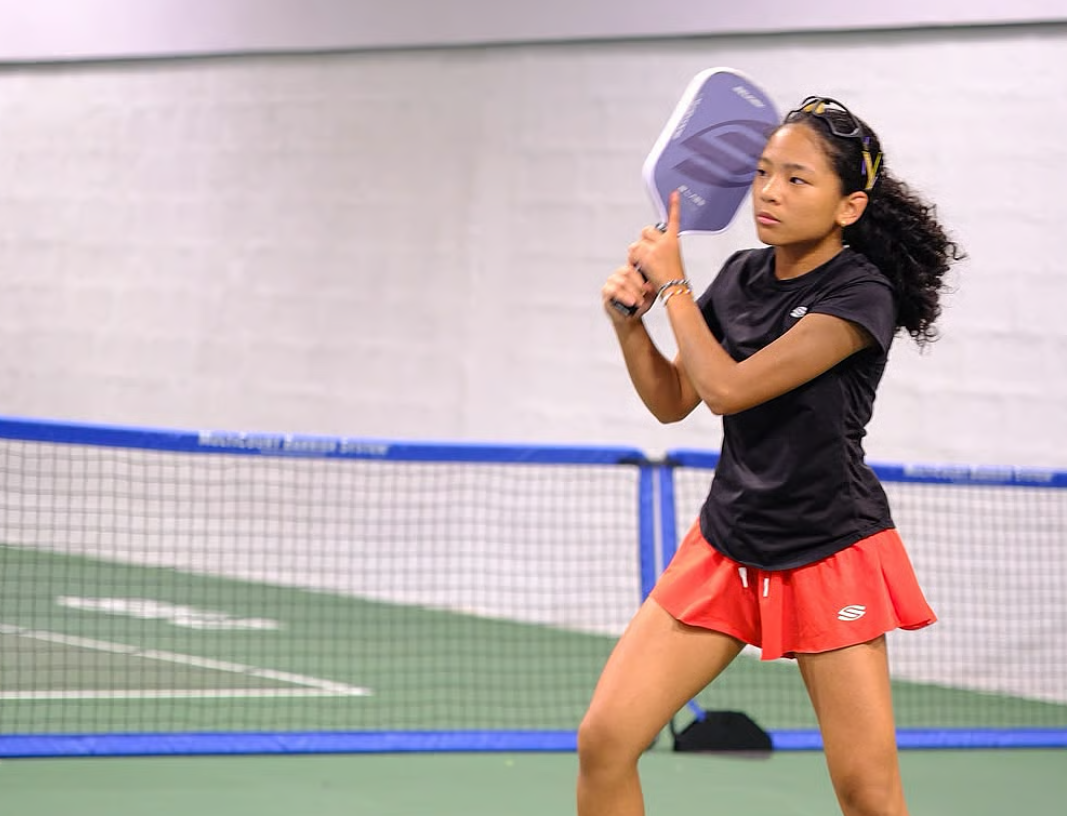


For many pickleball players, open play can mean spending more time waiting than actually playing, especially when crowded courts rely on outdated paddle-stacking systems. With players competing for limited court space, inefficient rotations can lead to repetitive matchups, uneven games, and a frustrating experience for everyone.
Key Play Points:
- Smart Queuing: Say goodbye to long waits with an intelligent rotation system.
- Fair Play: Ensures skill-balanced matches and diverse opponents every time.
- DUPR Integration: Streamlines score reporting directly from the court.
- Maximized Courts: Optimizes court usage, especially in high-demand areas like Metro Manila.
The Open Play Frustration: More Waiting, Less Playing
Every passionate pickleball player knows the drill. You arrive at an open-play session, paddle in hand, only to join a line of ten or twelve players vying for a single court. This challenge is particularly acute in fast-growing regions like the Philippines, where court availability struggles to match the sport's explosive popularity.
PickleQ's Game-Changing Solution: Smart Court Management
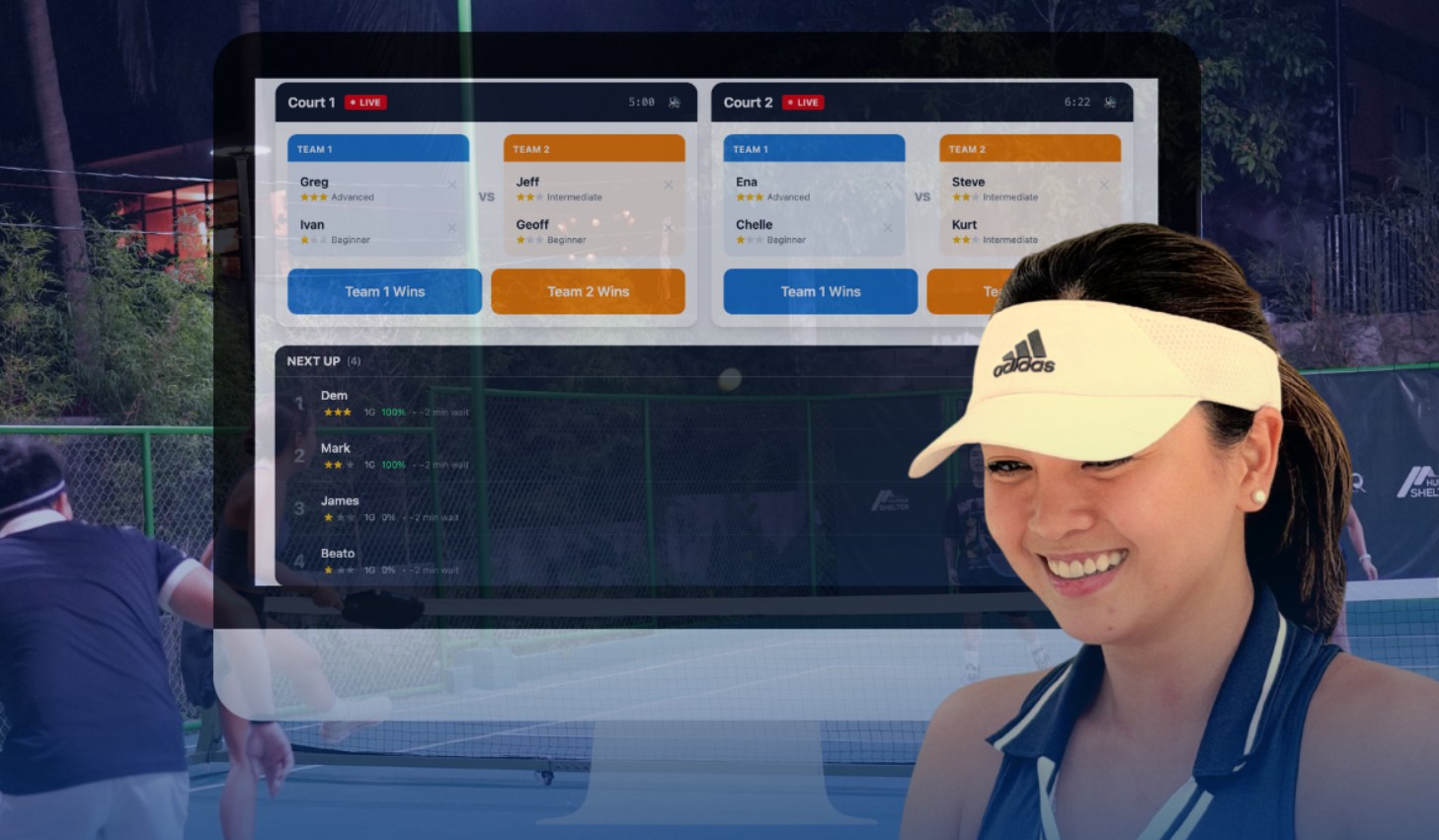
Enter PickleQ, the innovative platform designed to revolutionize how open-play sessions are managed. Instead of relying on clipboards and guesswork, PickleQ folds the entire session into one seamless digital experience. Organizers gain a powerful dashboard to set up sessions, add players, assign courts, form matches, and log scores with unprecedented ease.
Players, meanwhile, can check in effortlessly via QR code and monitor the queue, view upcoming matches, see court assignments, and track standings—all from their phones. It’s about giving control back to both the organizers and the participants, ensuring a smoother, more enjoyable experience for everyone.
Built By Players, For Players: The Feedback Loop
Many of PickleQ's most celebrated features didn't come from a boardroom; they emerged directly from the courts. Organizers on the front lines provided crucial feedback, leading to innovations like locked partners, dedicated skill courts, and intelligent safeguards against drawing the same opponent repeatedly. This player-centric development approach ensures the platform addresses real-world pain points.
Since its launch in January 2026, PickleQ has seen remarkable adoption, facilitating over 16,000 club creations and completing more than 107,000 sessions. This translates to a staggering 1.5 million player appearances and nearly two million games played. While PickleQ can't magically conjure new courts, it powerfully optimizes the use of existing facilities, maximizing play time for every participant.
Seamless DUPR Reporting: No More Manual Headaches
Beyond managing open play, PickleQ tackles another significant challenge for competitive players: reporting results to DUPR. Manually scribbling DUPR IDs and scores on paper, followed by days of staff data entry, was a recipe for errors and delays. Incorrect scores, reversed winners, or misattributed results were common frustrations, eroding trust in the rating system.
PickleQ's answer is DUPR Mode, a premium feature within its Venue Pro toolkit. This robust solution allows organizers to collect DUPR IDs with the session roster, record match winners and scores instantly, and generate a DUPR-ready bulk export in the required 27-column format. The impact is clear: over 23,000 games have already been logged through DUPR Mode, leading to more than 550 DUPR-ready exports covering over 22,000 matches, all with unparalleled accuracy and speed.
The Algorithm Advantage: Beyond Simple Scheduling
What truly sets PickleQ apart from a basic digital queue is its sophisticated approach to matchmaking. The platform considers a multitude of factors, including skill balance, player waiting time, partner and opponent variety, locked partnerships, and current court availability. It even implements a hard cap on waiting, automatically moving players to the front after two skipped rotations—removing any subjective judgment calls.
Every proposed update to PickleQ's matchmaking logic undergoes rigorous testing against simulated games before deployment. If an update improves match balance but inadvertently lengthens wait times or creates uneven participation, it simply won't ship. Extensive simulations in a busy five-court scenario demonstrated courts stayed active roughly 95 percent of the time, with every player logging at least three games.
For organizers juggling a packed open-play calendar and for players simply seeking a fair shake at court time, this distinction makes all the difference. PickleQ isn't just managing queues; it's elevating the entire open-play pickleball experience.