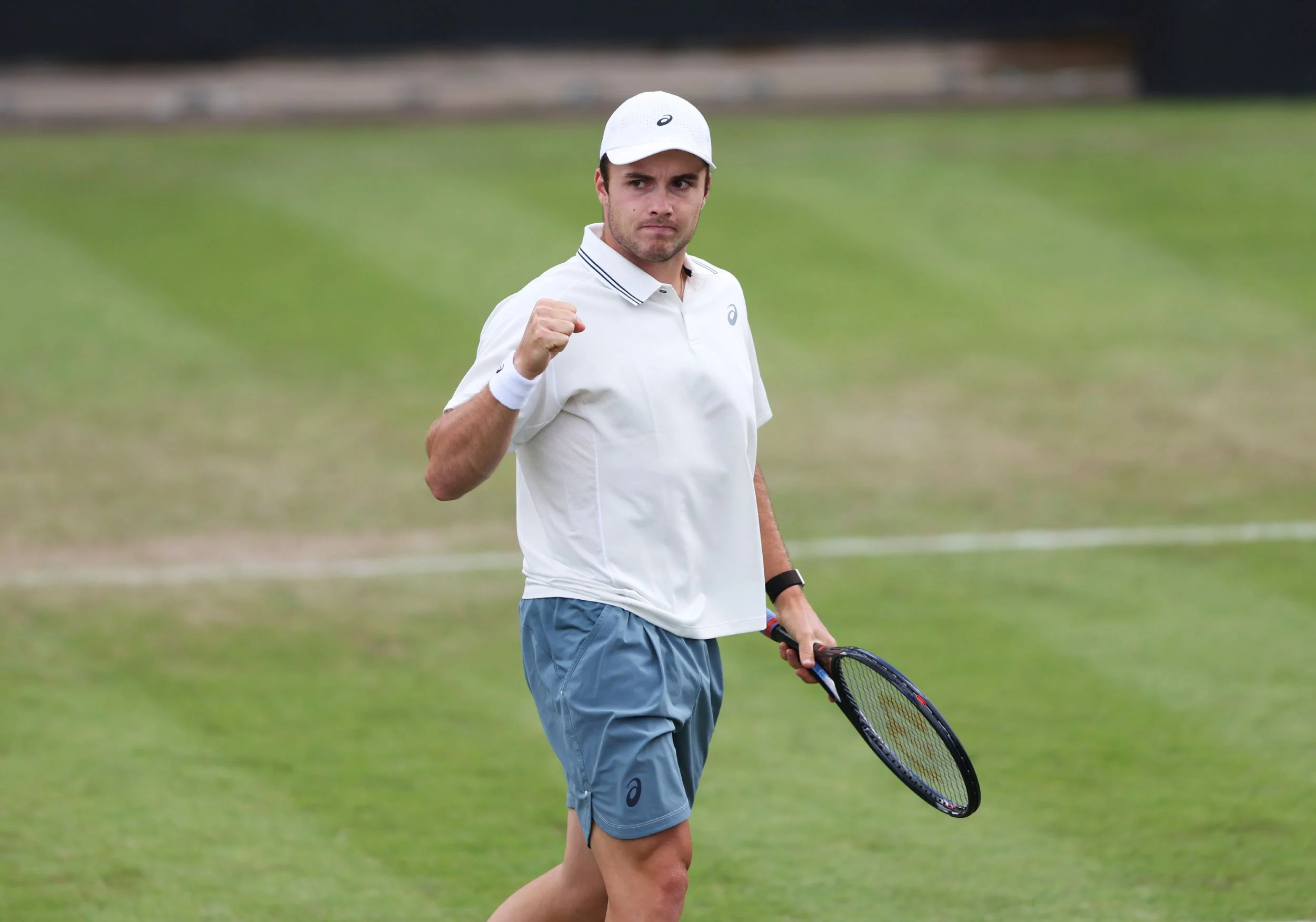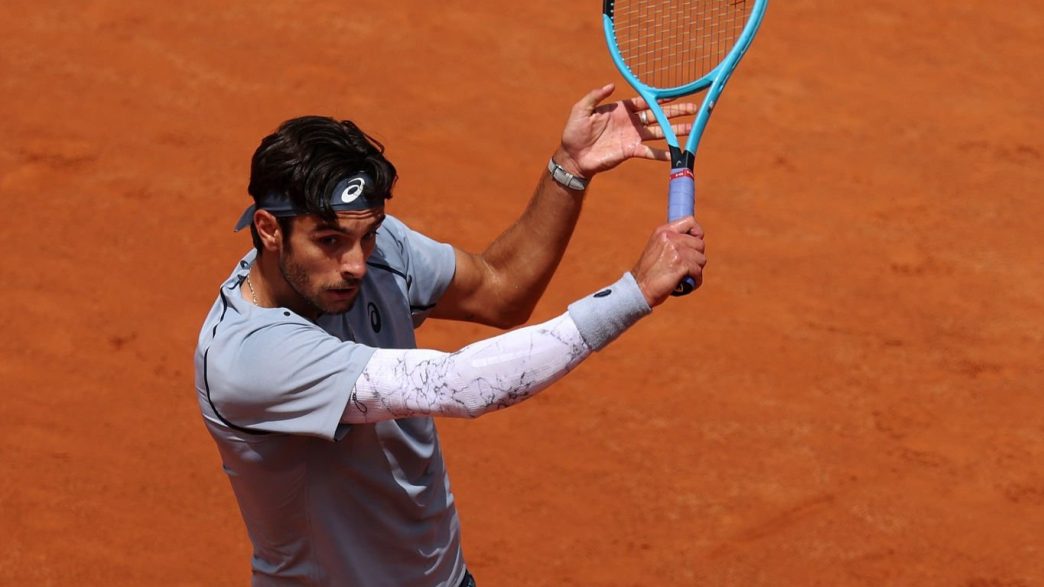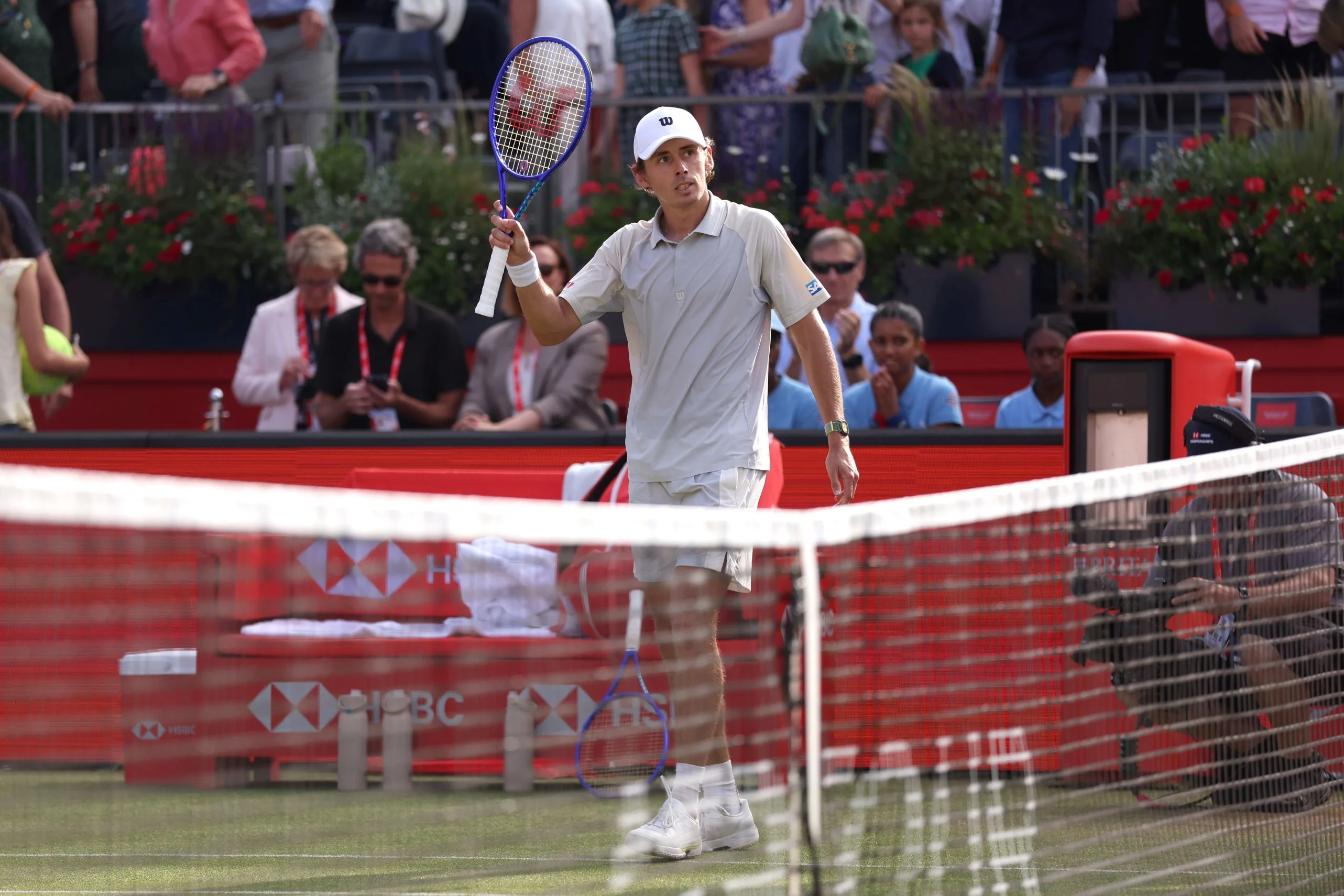

The men’s tennis landscape is becoming increasingly demanding, with players now facing a more physically and mentally exhausting path to success at the sport’s biggest events. Recent analysis highlights how winning Grand Slam titles has become less about isolated brilliance and more about sustained consistency across multiple tournaments and conditions.
In today’s era, top players are not only expected to perform at their peak for two weeks but also maintain a high level throughout the season. The modern schedule, combined with deeper competition across the draw, means there are fewer opportunities for recovery or easy early rounds at major events.
This shift is particularly evident in how Grand Slam winners are now often required to overcome multiple elite opponents in succession. Unlike previous generations, where draws occasionally opened up, today’s top players such as Novak Djokovic, Carlos Alcaraz and Jannik Sinner are consistently present in the latter stages, making the road to titles significantly more demanding.
Former and current players have also pointed out that physical fatigue has become one of the biggest deciding factors in major tournaments. Matches are longer, rallies more intense, and recovery time shorter, especially when players are forced to compete in consecutive deep runs across hard, clay, and grass seasons.
There is also growing recognition that mental endurance is just as important as physical strength. Players now need to manage pressure from early rounds, media expectations, and the constant presence of top-ranked opponents in nearly every major draw.
Another key trend is the rise of a “duopoly effect” at the top level, where a small group of players dominate Grand Slam success over extended periods. This leaves fewer opportunities for breakthroughs, increasing the difficulty for lower-ranked players trying to make deep runs.
As a result, the modern path to a Grand Slam title is no longer defined by isolated match wins but by the ability to repeatedly handle high-pressure situations against elite opposition. The message from the current era is clear: consistency across all stages of a tournament is now the true benchmark of success in men’s tennis.
.jpg)