

A Deep-Rooted Commitment: Why Pochettino Stays
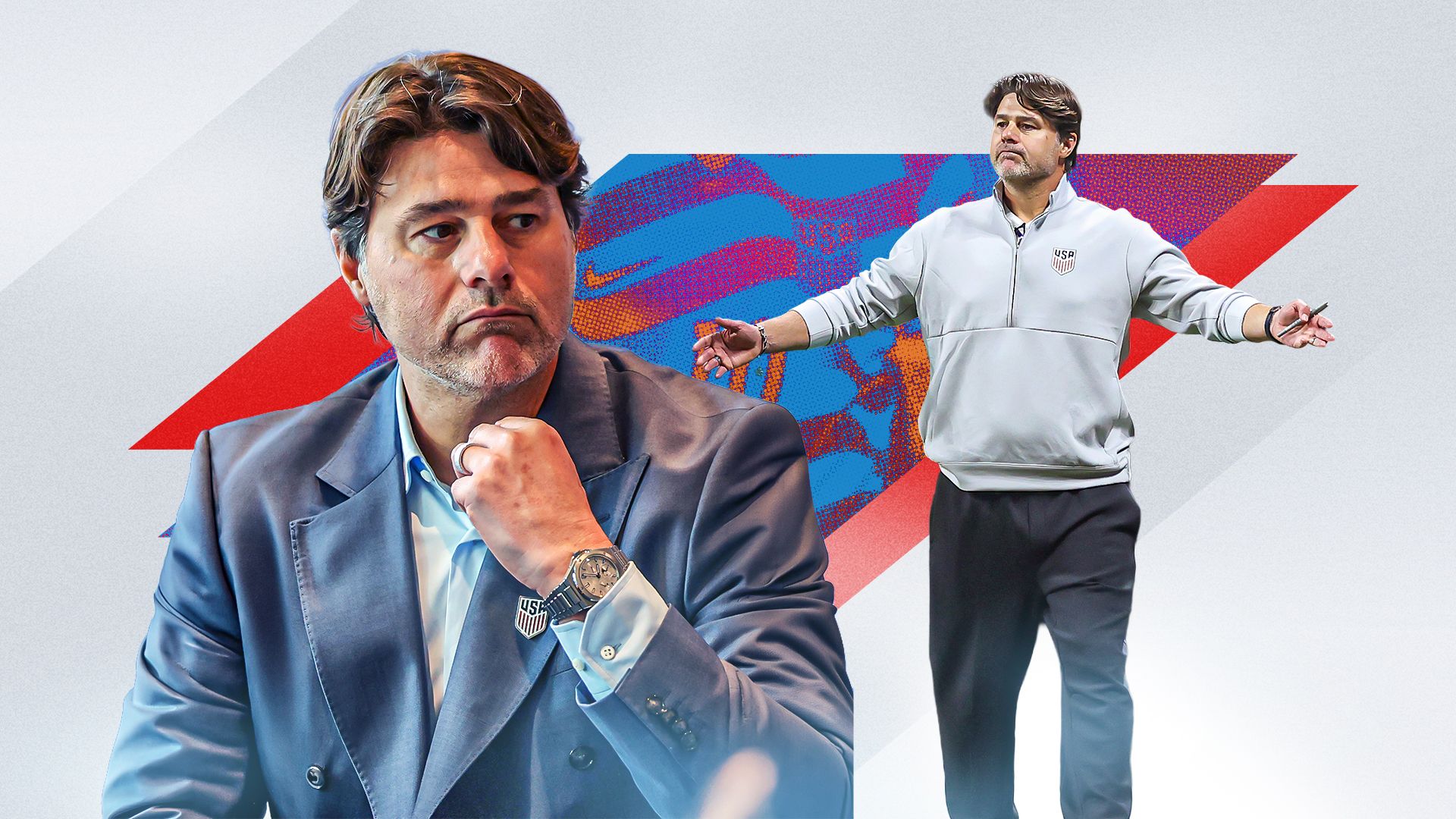
Mauricio Pochettino isn't just coaching the USMNT; he's on a mission, a deep-seated commitment to elevate American soccer, and he's locked in until at least 2030. His recent discussions confirm what fans have hoped for: a long-term vision rooted in passion and an unyielding belief in the sport's potential in the United States.
Key Takeaways from Pochettino's Vision
- Pochettino extends his USMNT contract through 2030, citing a strong bond with the nation and its soccer culture.
- A wave of exciting young talent, including Cavan Sullivan and Julian Hall, fuels his long-term strategy.
- He aims to integrate his coaching philosophy across U.S. Soccer, fostering a more competitive mindset.
- MLS needs a significant cultural shift, specifically addressing the mental impact of lacking promotion/relegation.
The Argentine tactician candidly admitted his longing for the States during a European holiday. "We built something, and created some link with the fans that was amazing," he revealed, highlighting the strong emotional connection that drew him back. This wasn't merely a contract negotiation; it was a recommitment.
His decision to stay was cemented post-World Cup, driven by the feeling of unfinished business and the desire to continue the journey with U.S. Soccer. This passion extends beyond just the national team's immediate success, focusing on the sport's enduring legacy in America.
The Youth Revolution is Brewing
Pochettino sees an incredible wellspring of talent emerging within the American system. He's keenly watching a "potential group of young players at 16, 17, 18, 19 years old" poised to challenge and push current senior players.
Names like Cavan Sullivan, Julian Hall, and Adri Mehmeti are not just future prospects; they are key components in the USMNT's blueprint through the 2030 World Cup. Pochettino believes this generation possesses the raw bravery and capacity to perform at the highest levels, given the right guidance.
Beyond the Pitch: Elevating American Soccer Culture
Pochettino's ambitions stretch far beyond tactical formations and match results. He views his role as pivotal in strengthening the entire framework of U.S. Soccer, from grassroots to the professional game. His goal is to "strengthen the pathways for players, coaches and teams across the Federation."
He openly discussed his desire to help soccer narrow the gap with established American sports like football, baseball, and basketball. This isn't about direct competition, but about ensuring soccer reaches its full cultural potential.
The Mindset Shift: Competition vs. Entertainment
Central to Pochettino's philosophy is a fundamental change in how American athletes approach soccer. He asserts that the sport is "competition," not mere "entertainment," and this distinction demands a different mental approach from a young age.
"The education here when you are a kid... it doesn't prepare the player for a high, high level," Pochettino noted. He stresses that players must understand the massive consequences of losing, fostering a winner's mentality crucial for elite performance.
MLS and the Competitive Edge: A Frank Assessment
Pochettino offered a sharp critique of the MLS structure, specifically the absence of promotion and relegation. He argues that without the threat of demotion, a "losing habit" can develop, undermining the competitive drive.
"If you are bottom after six months, and you say, 'okay, I can prepare myself for the next season because there is no consequence,' that continues the losing habit," he explained. This mindset, he believes, hinders the development of players hardened by high-stakes competition.
Transforming this mindset requires a collaborative effort involving "the clubs, the federation, the organizations like MLS." Pochettino is committed to providing players with the tools and environment necessary to be relentlessly competitive.
Despite his concerns, he remains convinced of the inherent talent. "They are so brave. They have the capacity, the energy, the talent to perform at 16, 17, 18 years old," he affirmed, emphasizing the need to identify and nurture these qualities.
The Evolution of the Game: An Old School Perspective
Having played professionally from 1989 to 2006, Pochettino holds a strong preference for the game as it was. He believes modern technology, while well-intentioned, can detract from the "essence of the sport" and the "spontaneous feelings" of play.
His enthusiasm was palpable when discussing the USMNT's upcoming friendlies without VAR. He sees this as an opportunity to challenge players, forcing them to adapt and perform in situations where traditional reliance on technology is absent, thus honing their natural instincts.