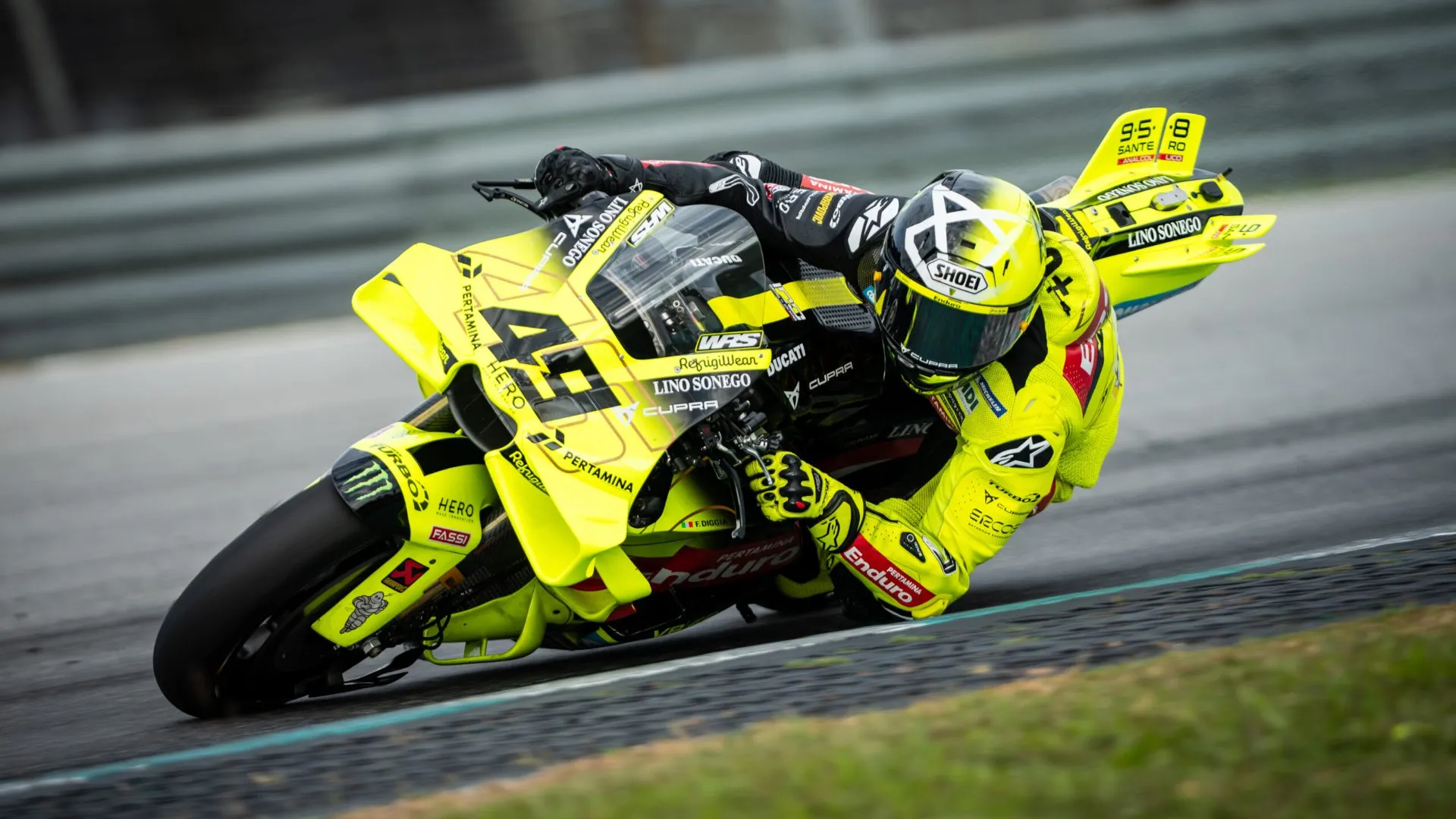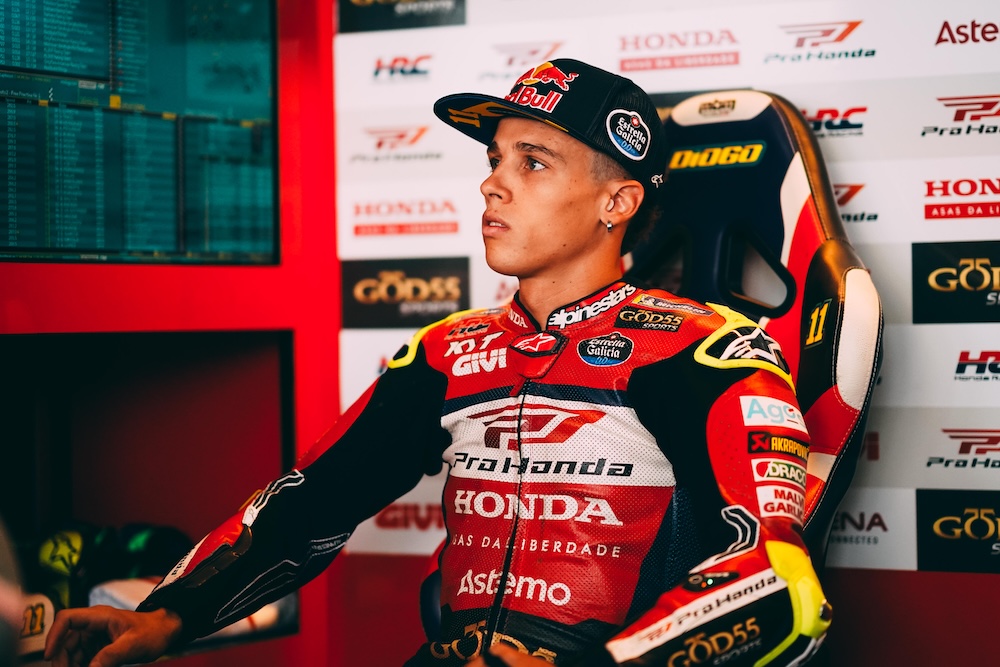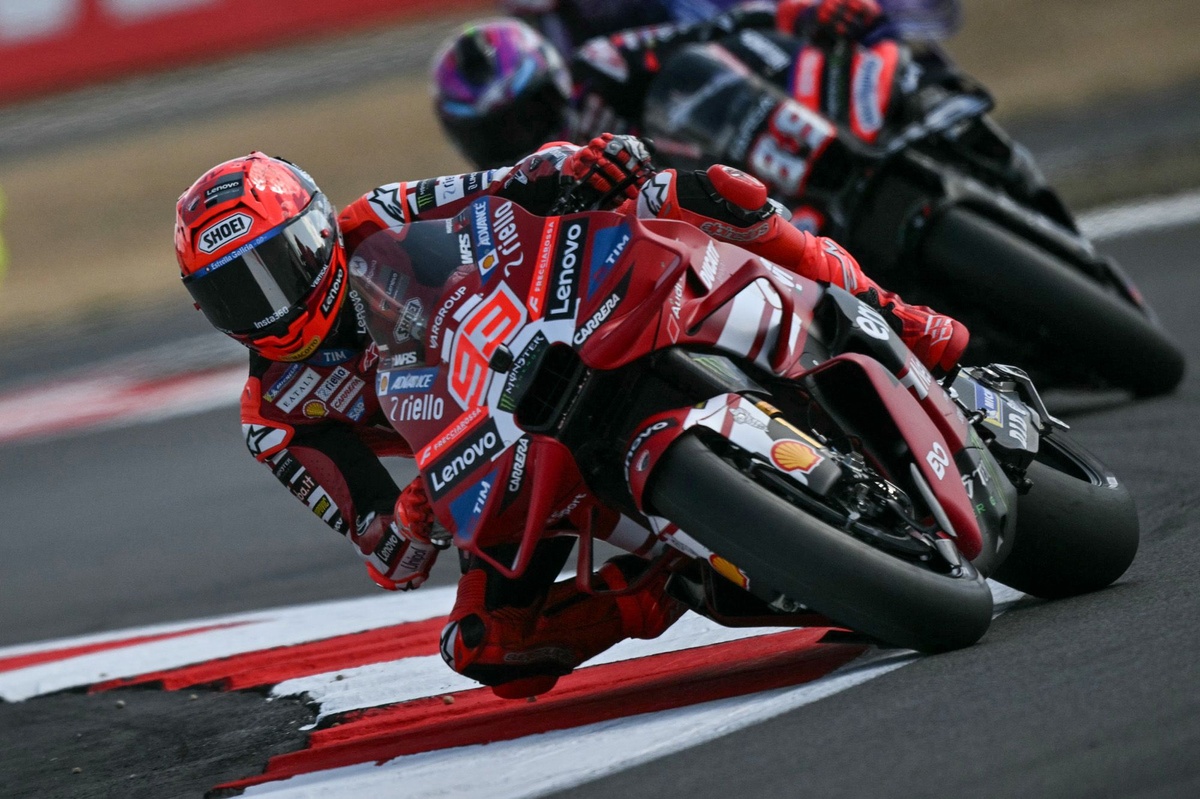

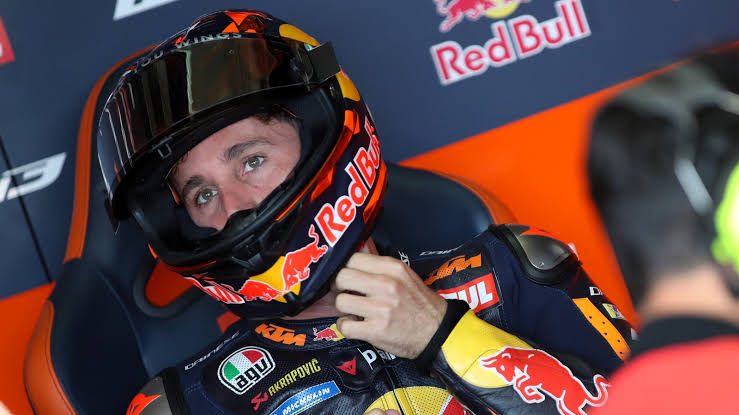

MotoGP riders could face one of the biggest changes in recent years when Pirelli takes over as the championship’s tyre supplier in 2027, according to KTM test rider Pol Espargaro.
Espargaro, who has been heavily involved in developing KTM’s new 850cc prototype, has already completed significant mileage on the new Pirelli tyres. Based on his experience, he believes the impact of the switch will be far greater than many current MotoGP riders realise.
Pirelli will replace Michelin as MotoGP’s sole tyre supplier in 2027 as part of a major technical overhaul that will also introduce smaller engines and other changes to the bikes.
Espargaro has experience with both major tyre changes, having raced when MotoGP switched from Bridgestone to Michelin in 2016. However, he believes the upcoming move to Pirelli will be considerably more disruptive.
“They are very different tyres,” Espargaro said. “I have the feeling that the riders are not really aware of the change that is coming.”
According to the Spaniard, the difference is not simply about grip or performance. The Pirellis require riders to approach the bike differently, meaning established MotoGP riders could need to rethink their riding styles.
Espargaro described the change as “wild” and said it was much bigger than the switch he experienced in 2016.
Back then, although Bridgestone and Michelin had different strengths, riders could still approach the bikes in a relatively similar way. The Pirelli tyres, however, could make the motorcycles feel like an entirely different machine.
The potential impact was already visible when Pirelli became the official tyre supplier in Moto2 in 2024. Espargaro noted that some riders who had struggled under the previous tyre package suddenly became competitive, while established frontrunners lost their advantage.

Source: iMotorbike News
He expects a similar shake-up in MotoGP.
“I have no doubt that this is going to happen in MotoGP,” he said.
The tyre change could also benefit riders and manufacturers with existing experience of Pirelli rubber.
Espargaro believes Ducati could have an early advantage because of its strong connection with the production-based World Superbike category, where Pirelli tyres are already used. Riders arriving from Superbike could also have a head start.
That could be particularly significant for Nicolo Bulega, who is expected to move into MotoGP with VR46. Espargaro believes the Italian could be competitive almost immediately because of his familiarity with Pirelli tyres.
Toprak Razgatlioglu, another rider with extensive Pirelli experience from World Superbike, could also benefit from that knowledge.
But the advantage may not be limited to riders coming from Superbike.
Espargaro believes Moto2 graduates could also adapt quickly because they will already be accustomed to racing on Pirelli rubber.
That could leave current MotoGP riders with a difficult adjustment period, particularly because they will have limited opportunities to test the new tyres before the 2027 season begins.
The riders will have only a small number of official testing opportunities, including the Valencia test in December. That has already caused concern among riders such as Fabio Quartararo and Jorge Martin, who are changing manufacturers and will not be able to test the new tyres until December 1.
Conditions at Valencia could also make the first test less useful, depending on the weather and track conditions.
Espargaro believes that gives riders coming from Moto2 and World Superbike an important advantage because they will already understand how to extract performance from the Pirellis.
“They are going to have a huge advantage,” he said.
Despite the uncertainty, Espargaro does not view the 2027 changes as a negative development for MotoGP.
The new rules will reduce engine capacity to 850cc and lower top speeds, while the bikes will also become lighter. However, Espargaro expects them to remain extremely quick because the reduction in weight should help offset some of the lost power.
He also believes the lower top speeds could make racing safer and more competitive.
Espargaro expects the championship to become more evenly matched once manufacturers begin to understand the new package, particularly from the middle of the 2027 season onwards.
“It is going to be a very fun and less dangerous category, and that is good for the championship,” he said.
The 2027 season could therefore bring much more than a new generation of MotoGP machinery. With a completely different tyre philosophy entering the championship, established stars, young Moto2 graduates and World Superbike newcomers could find themselves starting the season on very different footing.
For Espargaro, that uncertainty is exactly what makes the coming season so difficult to predict.