
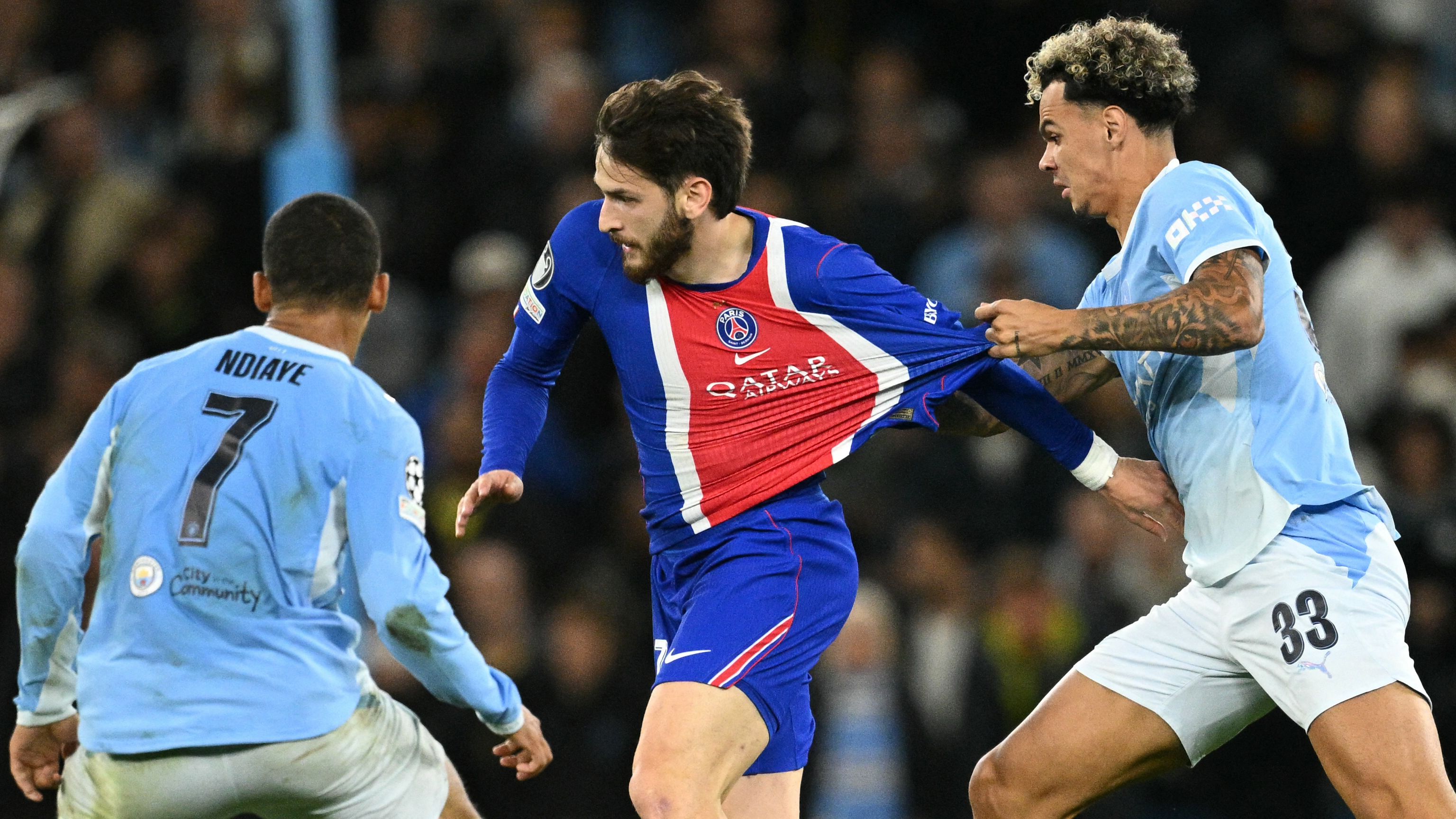

The Etihad faithful watched in disbelief as Paris Saint-Germain delivered a stunning tactical lesson, dismantling Manchester City with surgical precision in a 4-2 Champions League triumph. This wasn't just a win; it was a statement, showcasing Luis Enrique's brilliance against Enzo Maresca's rigid system.
Key Takeaways from the Tactical Battle:
- PSG's clinical counter-attacking tore apart Manchester City's exposed high line.
- Luis Enrique's tactical genius outmaneuvered Enzo Maresca in a dominant first-half display.
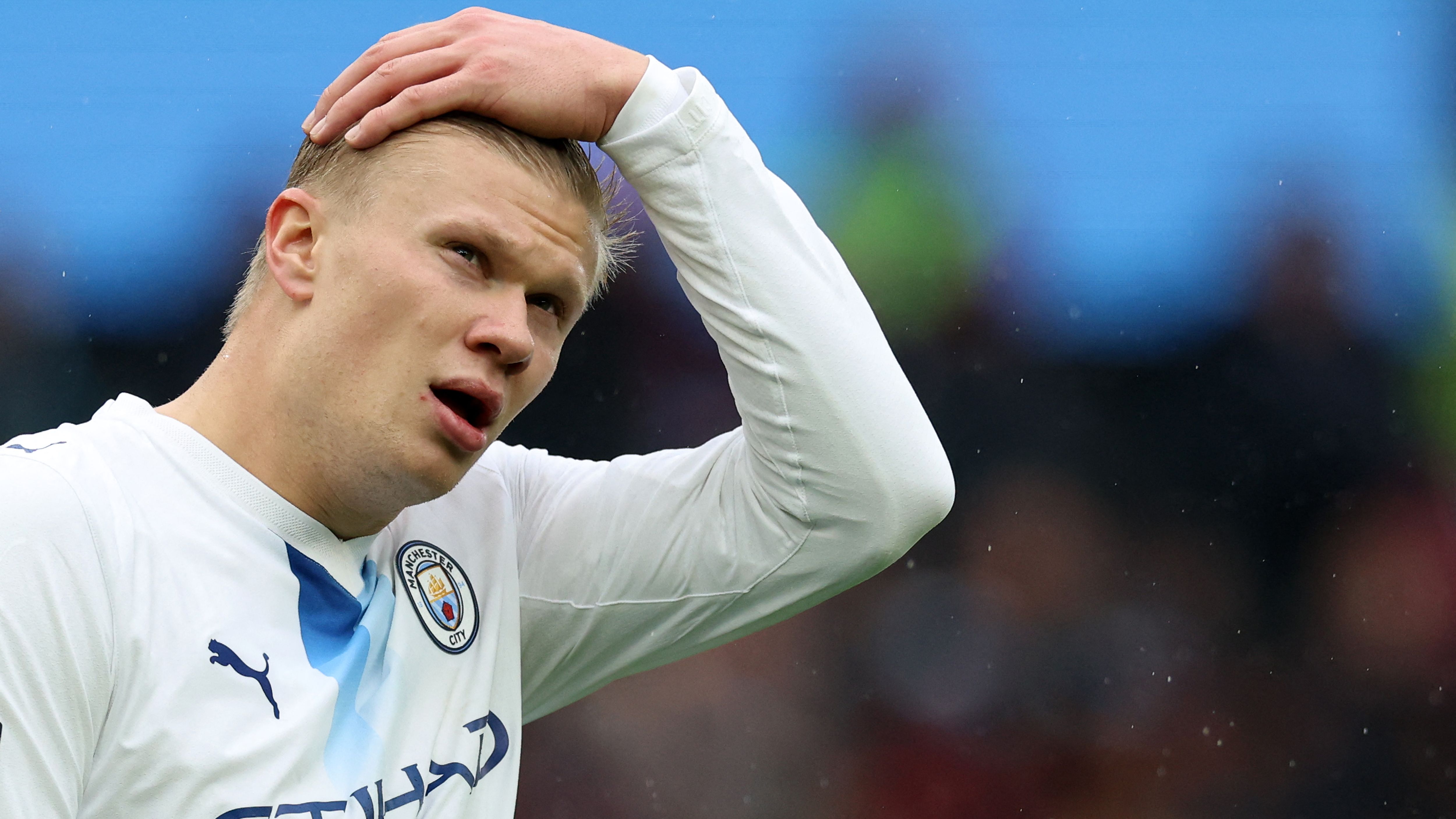
- Despite Erling Haaland's spirited second-half brace, the damage from PSG's early onslaught was irreversible.
- The match underscored that controlling space and transitions can be more potent than mere possession.
PSG's Unstoppable Counter-Punch: A First-Half Blitz
The first 32 minutes at the Etihad were a nightmare for Manchester City. Paris Saint-Germain, under the shrewd guidance of Luis Enrique, turned the game into a masterclass of verticality, punishing every single defensive misstep.
Maresca's Risky Gambit Backfires
Enzo Maresca deployed a 4-2-3-1 setup, often shifting to a 3-2-5 in possession with Josko Gvardiol tucking in. However, City's aggressive high press left gaping holes between their midfield and defense. This space proved fatal, leaving Ruben Dias and Marc Guehi isolated and vulnerable to direct runs.
In possession, City struggled for rhythm. Enzo Fernandez tried to orchestrate from deep, but PSG's compact mid-block expertly stifled passing lanes to Rayan Cherki. Jeremy Doku on the left wing found himself constantly double-teamed by Achraf Hakimi and Warren Zaire-Emery, leaving Erling Haaland a lonely figure up front. Despite 54% possession, City lacked the crucial verticality needed to penetrate a disciplined PSG defense.
Enrique's Tactical Masterclass: Discipline Meets Devastation
Luis Enrique's 4-3-3 was a clinic in tactical discipline and ruthless execution. Defensively, PSG morphed into a compact 4-5-1, with Vitinha and Fabian Ruiz forming an impenetrable shield in front of the back four. Their patience was key, baiting City into non-threatening areas before unleashing devastating transitions.
The Midfield Engine and Clinical Finishers
Vitinha was the heartbeat of PSG's strategy, winning the ball and instantly launching diagonal passes to Ousmane Dembele or powering direct surges from Doue. PSG's risky build-up involving goalkeeper Safonov drew City's press high, creating vast spaces to exploit once the first line was bypassed.
Zaire-Emery and Ruiz provided the vertical thrust, with Maghnes Akliouche cleverly drifting into half-spaces to drag Guehi out of position. This created the perfect lanes for PSG's wingers. Their efficiency was staggering: three goals from just 46% possession in the first half proved they are one of Europe's elite counter-attacking units.
The Half-Time Shake-Up: City Fights Back
Facing a three-goal deficit, Enzo Maresca made a bold triple substitution at half-time, introducing Matheus Nunes, Ayyoub Bouaddi, and Iliman Ndiaye for Ruben Dias, Rayan Cherki, and Jeremy Doku. This injected much-needed dynamism and pushed more bodies into the box to support Haaland.
Haaland's Resilience and Maresca's Adjustments
The changes had an immediate impact. Ndiaye's directness helped create the opening for Haaland's first goal in the 53rd minute. City abandoned some of their slower build-up, favoring crosses and high-tempo recycling, making the game far more open and exciting.
PSG's Game Management: Shutting Down the Comeback
Luis Enrique responded to City's second-half surge with strategic substitutions. Khvicha Kvaratskhelia replaced Doue in the 66th minute, offering a fresh threat on the break, while Joao Neves helped PSG regain central midfield control. When Haaland scored his second in the 75th minute to make it 2-4, PSG dropped deeper, shifting to a 5-4-1 defensive block with the late introductions of Lucas Hernandez and Lucas Beraldo.
Enrique's Strategic Substitutions Seal the Deal
These defensive reinforcements successfully blunted City's late aerial assault. Despite City's 27 total shots, PSG's superior game management ensured their lead remained intact, weathering the storm and confirming their dominance.
The Verdict: A Champions League Statement
This thrilling Champions League encounter was ultimately decided by the tactical disparity in the first half. Paris Saint-Germain's ability to lure Manchester City into a false sense of security before devastating them on the counter-attack was the defining factor. While Erling Haaland's brace showcased City's individual brilliance and improved second-half intensity, the structural damage inflicted by Doue, Dembele, Vitinha, and Akliouche was simply too great.
Luis Enrique's emphasis on clinical verticality and intelligent space control triumphed over Enzo Maresca's possession-heavy approach, proving that in elite European football, controlling the opposition's movement is often more crucial than merely controlling the ball. PSG made a huge statement on the European stage.