.jpg)

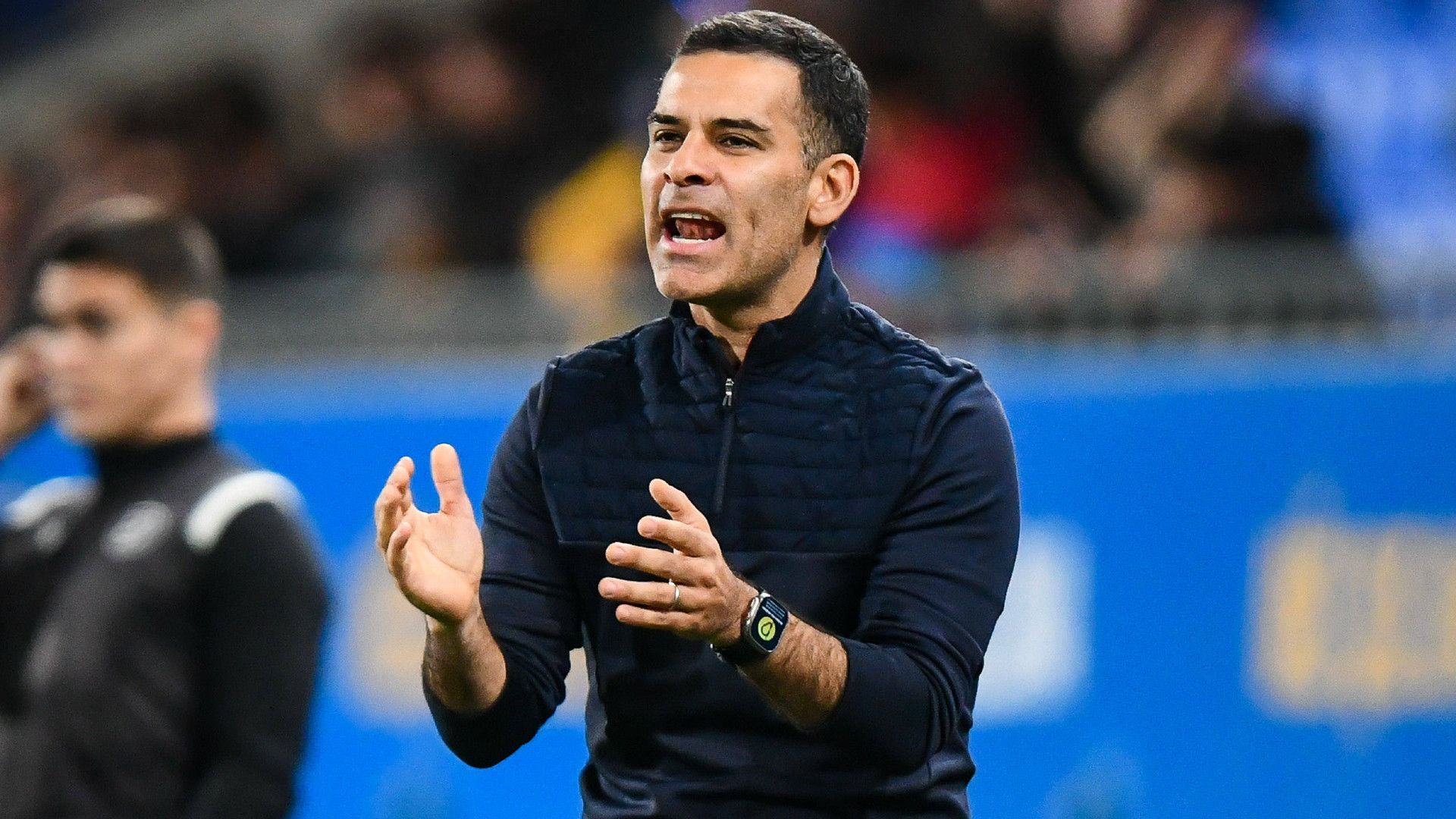
The time for talk is over; the era of Rafa Marquez leading Mexico has officially begun. Following a heartbreaking World Cup Round of 16 exit, 'El Kaiser' now steps into the most demanding role in Mexican football, tasked with forging a new destiny for El Tri en route to the 2030 World Cup.
- Rafa Marquez has been officially appointed head coach of the Mexico national team.
- He succeeds Javier Aguirre, whose planned tenure concluded after the World Cup defeat to England.
- Marquez is tasked with a significant generational overhaul and instilling a new tactical identity.
- His unparalleled playing career and recent coaching stint at Barcelona Atletic are seen as crucial assets.
The Dawn of a New Era for El Tri
The air around Mexican football is thick with anticipation and the echoes of a bittersweet World Cup journey. The curtain fell on co-hosts Mexico in a dramatic 3-2 defeat to England, marking the predetermined end of Javier Aguirre's mentorship-focused reign. Now, the weight of a nation's hopes rests squarely on the shoulders of one of its greatest ever players, Rafa Marquez, as he formally assumes the top job.
This isn't just a change of guard; it's a statement. The federation has entrusted its future to a figure synonymous with excellence, hoping his legendary status and deep understanding of the game will ignite a much-needed renaissance for El Tri. The mission is clear: build a squad capable of making a profound impact on the global stage by 2030.
From Camp Nou Maestro to National Team Boss
To understand the magnitude of this appointment, one must look at Rafa Marquez's storied career. He wasn't just a player; he was a leader, a two-time Champions League winner, and a four-time La Liga champion with Barcelona. Add a French League title with Monaco, a Club World Cup, a Confederations Cup in 1999, and two Gold Cup triumphs, and his trophy cabinet speaks volumes about his elite mentality and winning pedigree.
Beyond his iconic playing days with clubs like Atlas, Monaco, Barcelona, New York Red Bulls, Leon, and Hellas Verona, Marquez has also sharpened his coaching acumen. His two-year spell managing Barcelona Atletic saw him oversee 82 matches, recording 40 wins, 21 draws, and 21 losses. This hands-on experience in Spain allowed him to develop a structured, tactical approach that the Mexico federation hopes will translate into a more robust and disciplined national side.
The Road to 2030: A Generational Shift
Marquez's immediate challenge is immense: overseeing a significant generational shift within the national team. The expectation is for him to identify and seamlessly integrate the brightest young talents, forming the core of the squad that will lead Mexico into the 2030 World Cup cycle. This isn't just about winning games; it's about building a sustainable pipeline for future success and instilling a fresh, fearless identity.
Addressing Tactical Gaps
The recent World Cup exit highlighted critical tactical shortcomings, particularly in defense. Costly errors allowed stars like Jude Bellingham and Harry Kane to capitalize and secure England's victory. Marquez's time at Barcelona Atletic focused on developing a more structured defensive system, and fans will be eager to see how quickly he can implement these principles to fortify El Tri's backline and ensure a more resilient performance in crucial moments. The journey to global glory starts now.