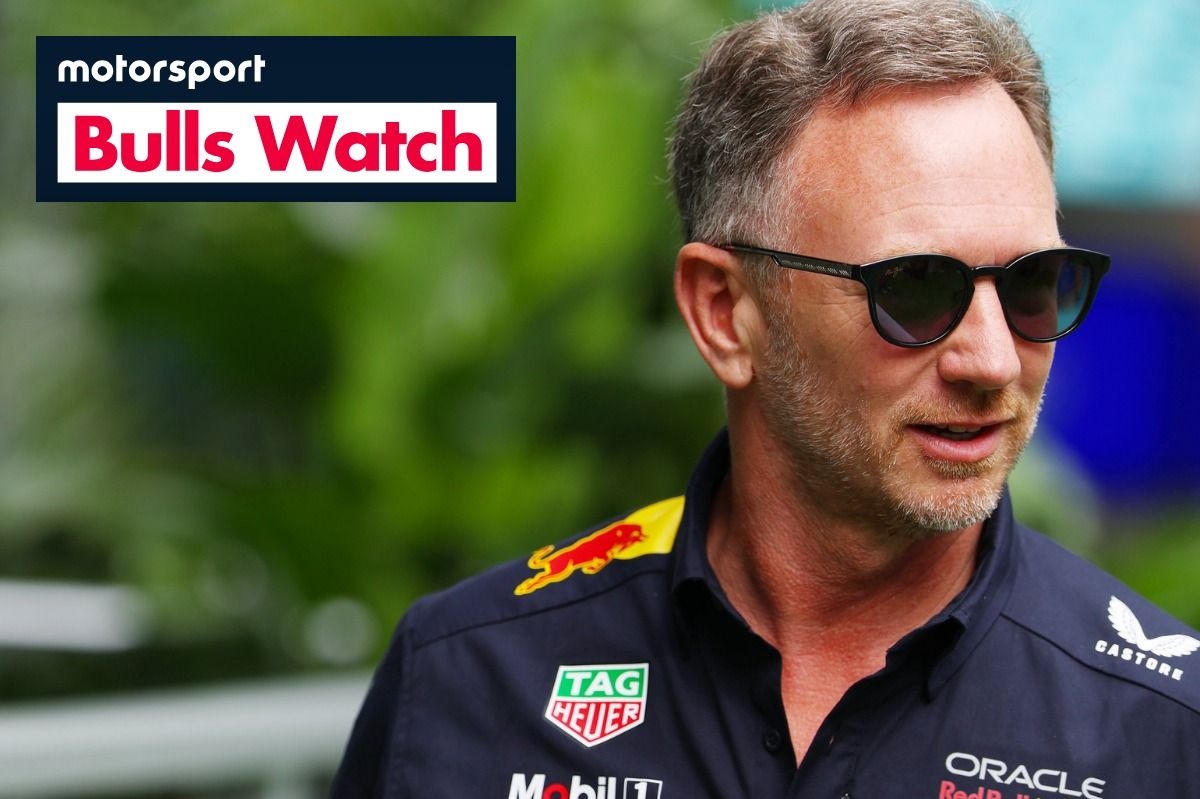



The F1 paddock is buzzing with an unsettling question: Is the Red Bull empire, fresh off an era of unprecedented dominance with Max Verstappen, beginning to show cracks? A wave of high-profile departures is forcing the team into a dramatic rebuild, a situation eerily reminiscent of a past F1 powerhouse.
Key Takeaways:
- Red Bull faces a significant exodus of top talent, including strategist Gianpiero Lambiase and design maestro Adrian Newey.
- This turbulent period draws striking parallels to Benetton's struggles after Michael Schumacher's departure, leading to a decade-long championship drought.
- Despite the losses, Red Bull retains a strong internal technical core and a vast workforce, offering hope for resilience.
- The team must now navigate a critical phase of proactive talent acquisition and internal promotion to safeguard its future at the top.
The Shifting Sands at Milton Keynes
The once impenetrable fortress of Red Bull Racing in Milton Keynes is undergoing a profound transformation. The announcement of Gianpiero Lambiase, Max Verstappen's long-time race engineer and a vital component of the team's success, departing for McLaren no later than 2028, sent shockwaves through the sport. This isn't an isolated incident; Lambiase follows former Red Bull architects Rob Marshall and Will Courtenay who also made the switch to Woking.
But the list of departing giants extends far beyond. The controversial exit of team principal Christian Horner, the legendary Adrian Newey's move to Aston Martin, Jonathan Wheatley's transition to Sauber/Audi, and Helmut Marko's departure all signal a seismic shift. These individuals were the backbone of Red Bull's championship-winning machines and Max Verstappen's historic run.
A Ghost from the Past: The Benetton Blueprint
Schumacher's Shadow Looms Large
For those with a sense of F1 history, Red Bull's current predicament rings an uncomfortable bell: the post-Michael Schumacher Benetton era. After securing back-to-back titles in 1994 and 1995, Schumacher's move to Ferrari for 1996 triggered an exodus of key personnel. Masterminds like Ross Brawn, Rory Byrne, and Nikolas Tombazis followed the German superstar, leaving Benetton scrambling to fill a leadership void.
This wasn't just a loss of individuals; it was the fragmentation of a championship-winning dream team. Benetton was thrust into a rebuilding phase, struggling to recapture its former glory despite bringing in experienced drivers like Jean Alesi and Gerhard Berger. The team's budgets tightened, and its cars consistently fell short against rivals like Ferrari, McLaren, and Williams.
The Long Road to Recovery
Benetton's lean spell was prolonged and painful. It wasn't until Renault purchased the team in late 2000, with Flavio Briatore back at the helm, that a genuine resurgence began. A new era of talent, including Mike Gascoyne, Bob Bell, and the rehired James Allison, along with internal promotions, slowly rebuilt the team. It took nearly a decade for Renault to reclaim championship glory in 2005 and 2006.
This historical parallel serves as both a cautionary tale and a roadmap. It demonstrates the profound impact that the departure of key figures can have on a team's trajectory, potentially leading to years in the wilderness. However, it also illustrates that with strategic leadership and smart talent acquisition, a return to dominance is possible.
Red Bull's Path Forward: Resilience or Regression?
While the situation is undoubtedly challenging, Red Bull isn't without its own strengths. A core of highly capable individuals remains, including technical team leader Pierre Wache, Ben Waterhouse in an expanded role, chief designer Craig Skinner, chief engineer Paul Monaghan, and chief aerodynamicist Enrico Balbo. The team has also proactively pulled in new talent, such as Andrea Landi from Racing Bulls, to bolster its technical operations.
Red Bull's vast 1000-plus workforce and state-of-the-art facilities provide a robust foundation. The current difficulties present a unique opportunity for internal promotions and for the next generation of Red Bull leaders to step up. The incestuous nature of the F1 paddock means that while talent leaves, talent can also be recruited.
The initial shock of losing crucial personnel will eventually subside. What remains is a chance for Red Bull to prove its organizational depth and resilience. This isn't just about replacing names; it's about fostering new dynamics, empowering emerging talent, and ensuring Max Verstappen continues to have the machinery to fight for championships. The F1 soap opera at 200mph continues, and Red Bull's next chapter promises to be a thrilling one.