

MotoGP is entering a major transition period, not only with the arrival of new 850cc regulations and broader commercial ambitions under Liberty Media, but also with an increasingly intense sponsorship battle unfolding behind the scenes between two global energy drink giants, Red Bull and Monster Energy. Both are competing for influence across riders, teams, and the sport’s long-term commercial direction.
This new era is expected to reset both performance and marketing dynamics, with the upcoming technical changes and MotoGP’s global expansion creating a highly valuable environment for sponsors aiming to strengthen visibility and long-term positioning.
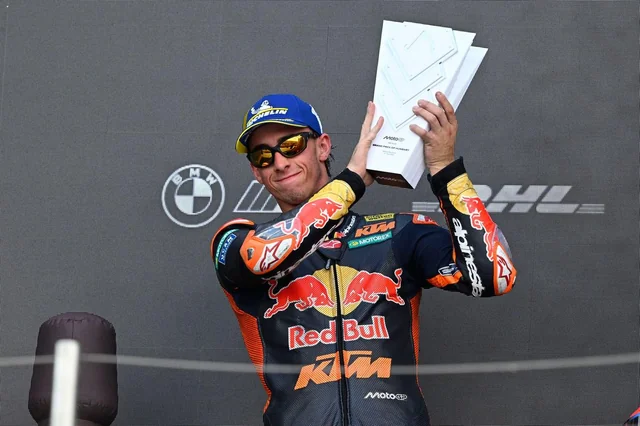
Rider movements are already playing a major role in shaping this landscape. Marc Marquez, a long-time Red Bull athlete, previously turned down a major Monster Energy offer when joining Ducati, underlining his loyalty despite the complex commercial overlap within the sport. More recently, the move of Pedro Acosta to Ducati has added another layer of tension, as he remains closely linked to Red Bull through his KTM background but without a fully defined long-term energy drink deal at MotoGP level. At the same time, Ducati continues its commercial partnership with Monster Energy under an agreement expected to run at least until 2027, with discussions about an extension already in progress.
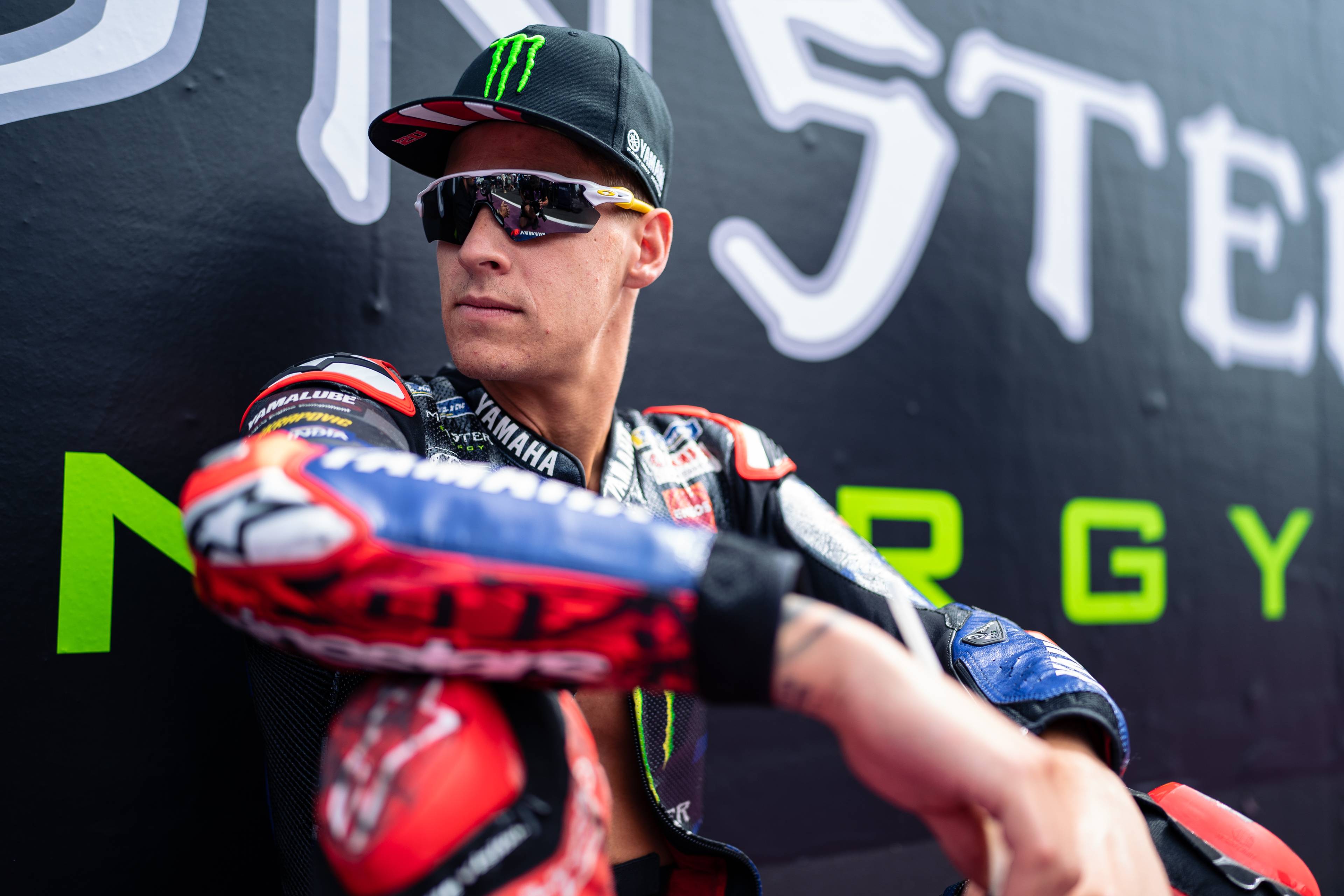
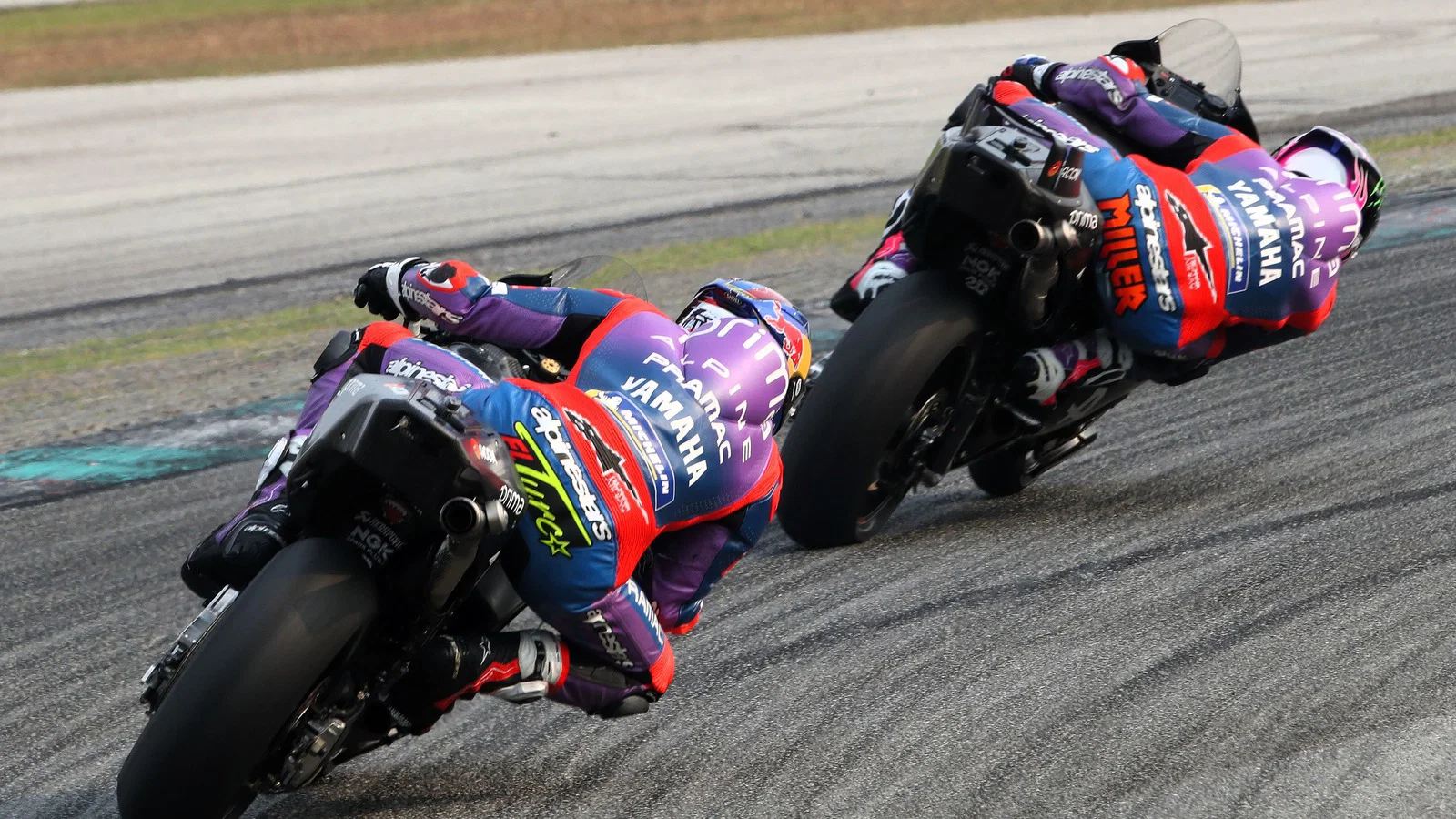
Monster Energy now faces important strategic decisions. Its long-standing title sponsorship with Yamaha is approaching its final phase, and uncertainty remains over whether it will be renewed as the team continues to struggle for competitive consistency. The situation is further complicated by the expected departure of key Monster ambassador Fabio Quartararo to Honda in 2027, weakening Yamaha’s appeal as a long-term marketing platform. Meanwhile, Yamaha’s potential future rider direction includes names with strong Red Bull ties, making the team an increasingly contested commercial space rather than a stable anchor for Monster.
In contrast, Aprilia is emerging as a highly attractive alternative, offering a title sponsor vacancy and strong branding potential. With riders such as Francesco Bagnaia and Marco Bezzecchi already associated with Monster Energy, the alignment appears commercially and visually strong, especially given Aprilia’s clean and adaptable livery.
On the other side, Red Bull is also reassessing its position, particularly within its long-standing relationship with KTM, now under the ownership of Bajaj Auto. While Red Bull remains involved, its financial commitment is believed to be more measured following KTM’s restructuring and ongoing cost pressures. This has created wider uncertainty across KTM’s racing structure, including satellite operations such as Tech3.
At the same time, a potential realignment with Honda is gaining attention. As Honda continues rebuilding its MotoGP project and prepares for possible high-profile rider acquisitions, a renewed partnership with Red Bull is increasingly seen as a logical strategic fit.
With multiple contracts expiring and rider movements still unfolding, MotoGP’s next phase is shaping up to be defined as much by boardroom decisions as on-track performance. The ongoing contest between Red Bull and Monster Energy is set to influence not only sponsorship visibility, but also the competitive and commercial identity of the championship in the years ahead.