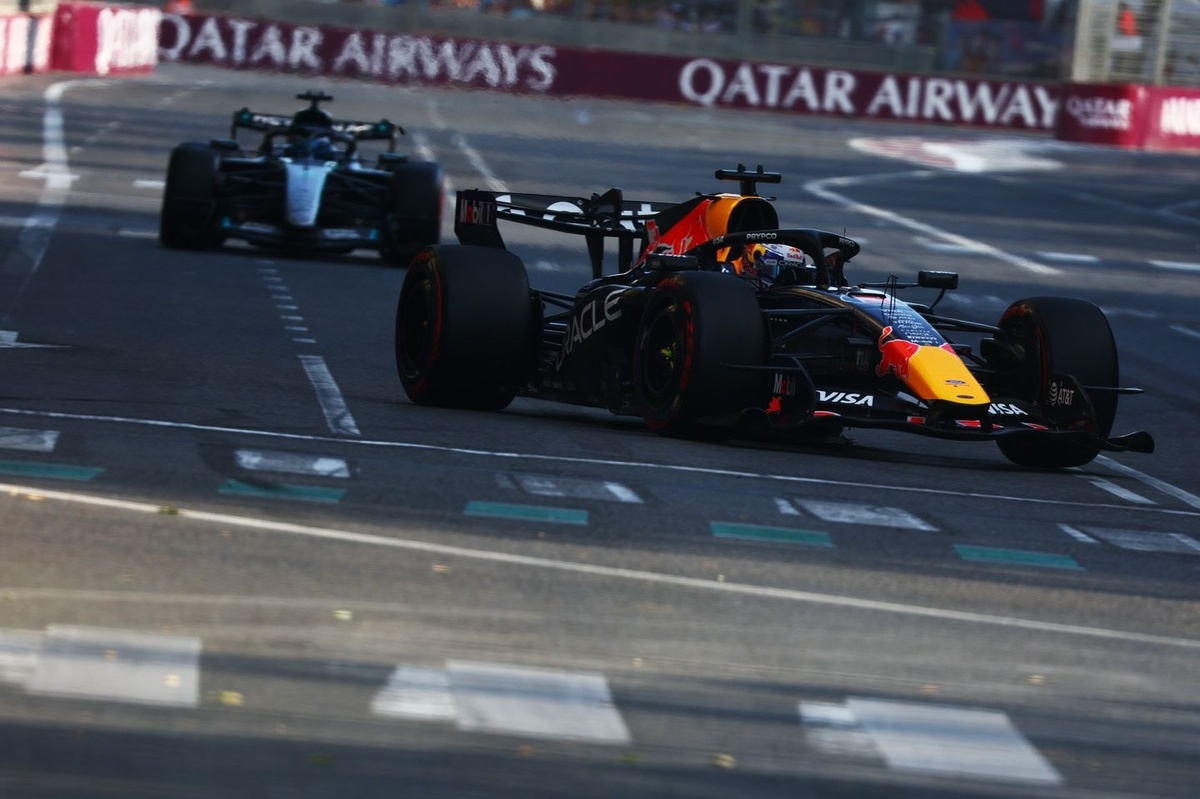

Red Bull roared back at the Azerbaijan Grand Prix, proving raw power still reigns supreme even when adversity strikes, clinching a sensational double podium! After a chaotic qualifying session, the team’s formidable Red Bull-Ford F1 power unit was unleashed, propelling both Max Verstappen and Isack Hadjar to spectacular finishes.
Key Takeaways from Baku:
- Double Podium Delight: Red Bull secured its first double podium in over two-and-a-half years, showcasing immense race pace.
- Verstappen's Epic Comeback: Despite a P8 starting position due to engine woes, Max Verstappen fought brilliantly to secure P2.
- Power Unit's Punch: The Red Bull-Ford engine's straight-line speed was a critical factor, dominating Baku's long straights.
- Optimization is Key: Team boss Laurent Mekies highlighted the intense engineering effort to keep the powerful engine in its optimal "narrow band."
The Baku Blitz: Red Bull's Power Play
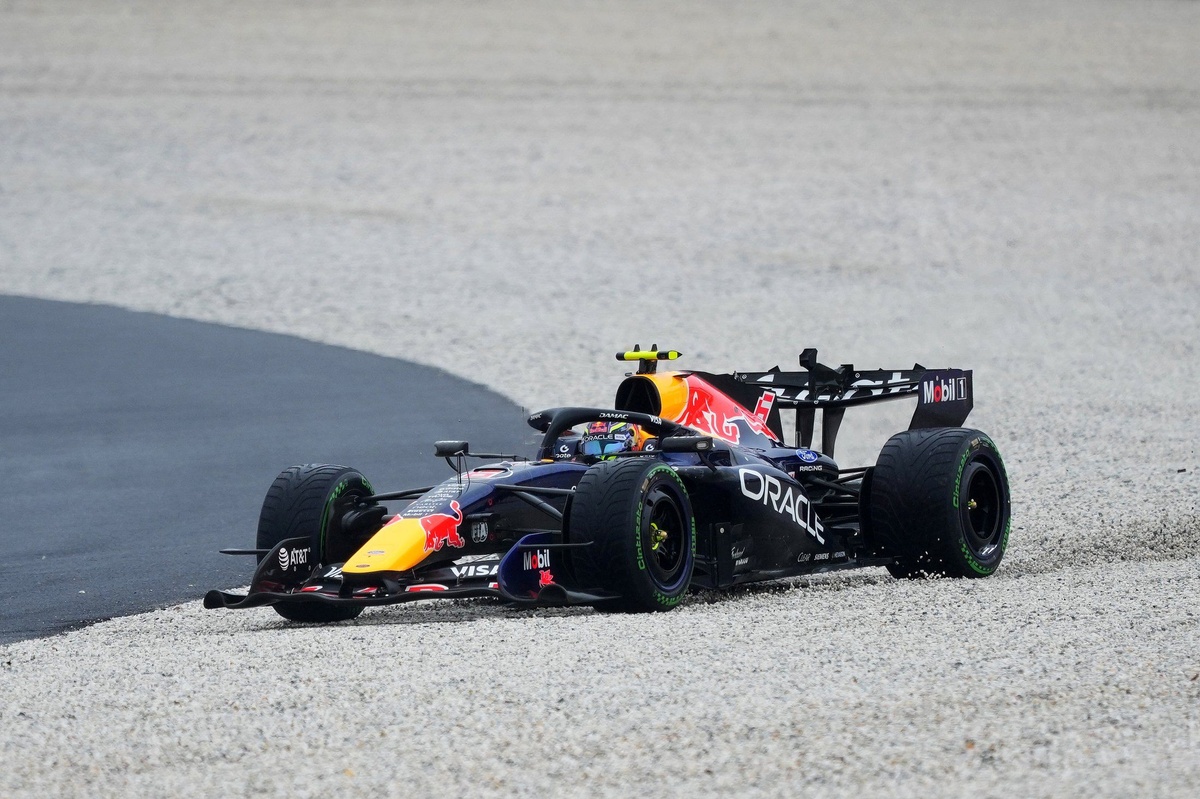
The streets of Baku witnessed a masterful display of recovery and raw performance from Red Bull. After Max Verstappen endured a frustrating qualifying session, plagued by a misbehaving internal combustion engine that left him P8 on the grid, the team rallied with a fresh power unit for race day.
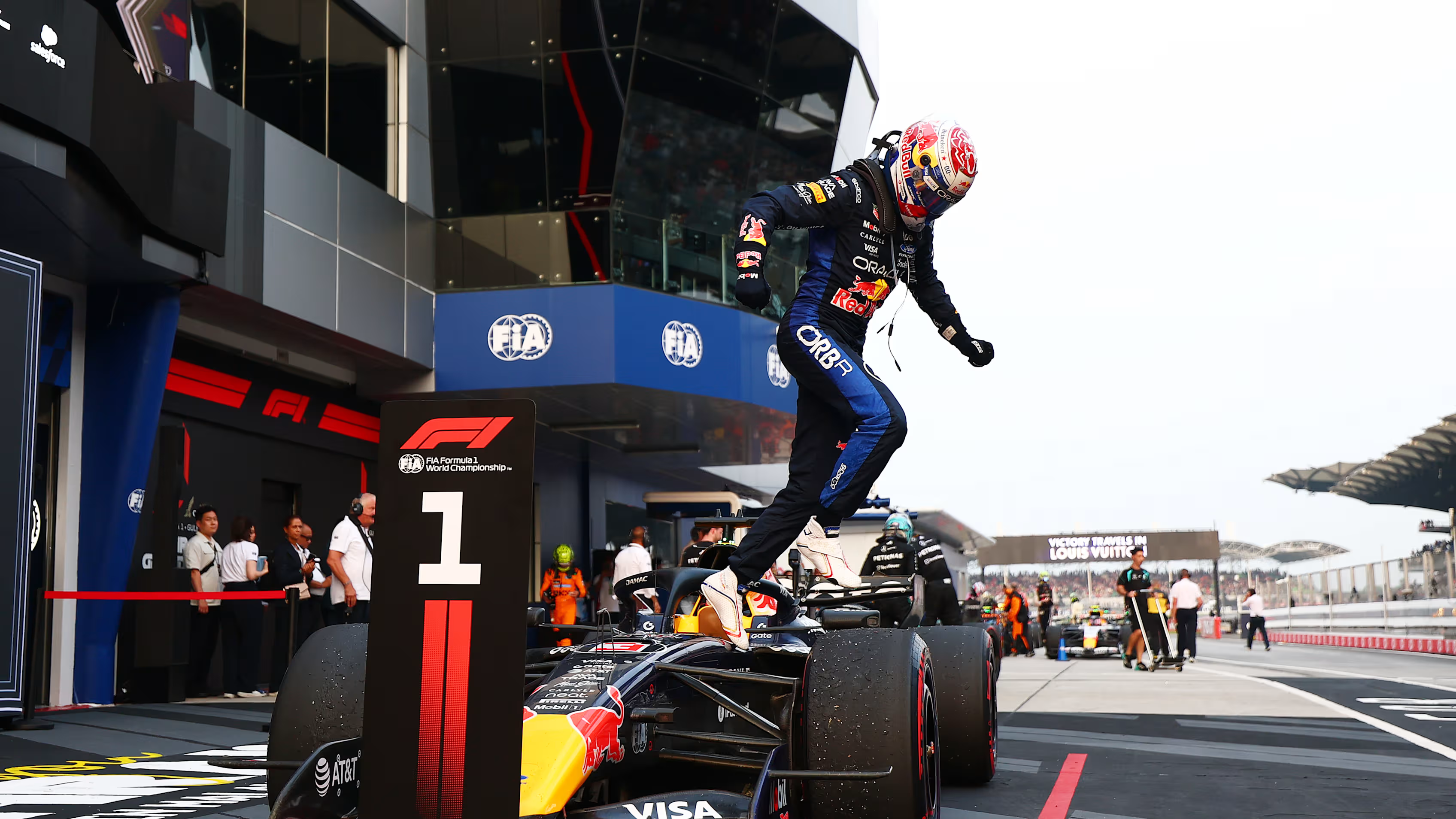
His teammate, Isack Hadjar, also capitalized on the car's strength, joining Verstappen in an impressive charge through the field. Both drivers demonstrated the true potential of the Red Bull machinery, culminating in a magnificent P2 for Verstappen and P3 for Hadjar. This marked a significant milestone: Red Bull's first double podium in nearly three years.
Verstappen's Epic Charge: From Grid Scare to Podium
Max Verstappen's journey from an uncharacteristic P8 start to a silver medal finish was nothing short of heroic. With his Red Bull-Ford power unit restored to full health, he systematically sliced through the competition, proving why he's considered one of F1's elite.
Team Principal Laurent Mekies confirmed that had Verstappen avoided his qualifying engine issues, a shot at victory was firmly on the cards. The sheer pace demonstrated by both Red Bull drivers on Sunday underscored this sentiment, leaving fans to ponder what might have been.
Unleashing the Red Bull-Ford Beast
So, what fueled this remarkable resurgence? The answer, according to the team, lies firmly in their potent Red Bull-Ford power unit. While often considered a blessing and a curse due to its specific operating window, at Baku, it was an undeniable weapon.
Mekies explained the intricate challenge of optimizing their engine: "We have a fantastic PU, we have a fairly narrow band to use it at best." This constant pursuit of perfect energy management and deployment by the engineering teams in Milton Keynes and on the track unlocked formidable straight-line speed. Evidence of this raw power was clear, with sister squad Racing Bulls topping the speed trap at 349.4km/h and both Verstappen and Hadjar consistently among the fastest on the straights.
Beyond Baku: The F1 Upgrade Gauntlet
Despite the triumphant double podium, the Red Bull camp remains realistic about the season's unfolding narrative. Verstappen himself suggested that Baku might represent their best, and perhaps last, opportunity for a win in 2026 before rivals like Mercedes unleash significant upgrade packages, potentially at the upcoming Bahrain GP.
Laurent Mekies echoed the sentiment that upgrades are dictating the pecking order this F1 season. While Red Bull itself isn't planning another major update package this year, Mekies remains optimistic. He points to the team's success in "closing the gap" to rivals by meticulously extracting performance from their current car specifications, hinting that more opportunities will arise to avoid their first winless season since 2015. The F1 landscape is constantly shifting, and Red Bull is ready for the fight.