
Challenging Start to 2026 Campaign
The 2026 season has opened on a difficult note for Laurent Mekies’ squad, with performance not yet matching expectations across the opening rounds. While Red Bull’s new power unit has impressed some rivals in the paddock with its competitiveness, the overall chassis package has struggled to deliver consistent pace during the first three race weekends.
Key Takeaways
- Red Bull’s 2026 season has started unevenly, with a competitive new power unit but a less convincing chassis performance across the opening races.
- Early upgrades, including the Japan package, delivered mixed feedback, reigniting questions about simulation-to-track correlation despite stronger results from the Miami update.
- Technical director Pierre Waché pointed to limitations from the team’s ageing wind tunnel, while confirming a new facility in Milton Keynes is expected to be operational next year.
- Further development is planned through the season, including a “minor step” in Montreal and a larger push in Europe, with weight reduction still a key performance target.
Upgrade Push and Ongoing Correlation Questions
Red Bull introduced its first major upgrade of the season at the Japanese Grand Prix, but Max Verstappen noted in Suzuka that the changes were not clearly noticeable from the cockpit. That observation reignited ongoing discussions about the team’s data correlation, even though the Miami upgrade package reportedly behaved exactly as predicted in simulations.
Technical director Pierre Waché remains cautious when assessing what this means for the team’s development tools, especially given continued reliance on their ageing wind tunnel. “Yes, it's going in the right direction, but still we have the same tool and the same issues. We are limited by... Well, we are trying to maximise what we have and we'll see for the rest,” he said. “But we have a new tool coming soon and I hope it will bring us another step.”
Wind Tunnel Limitations and Future Investment
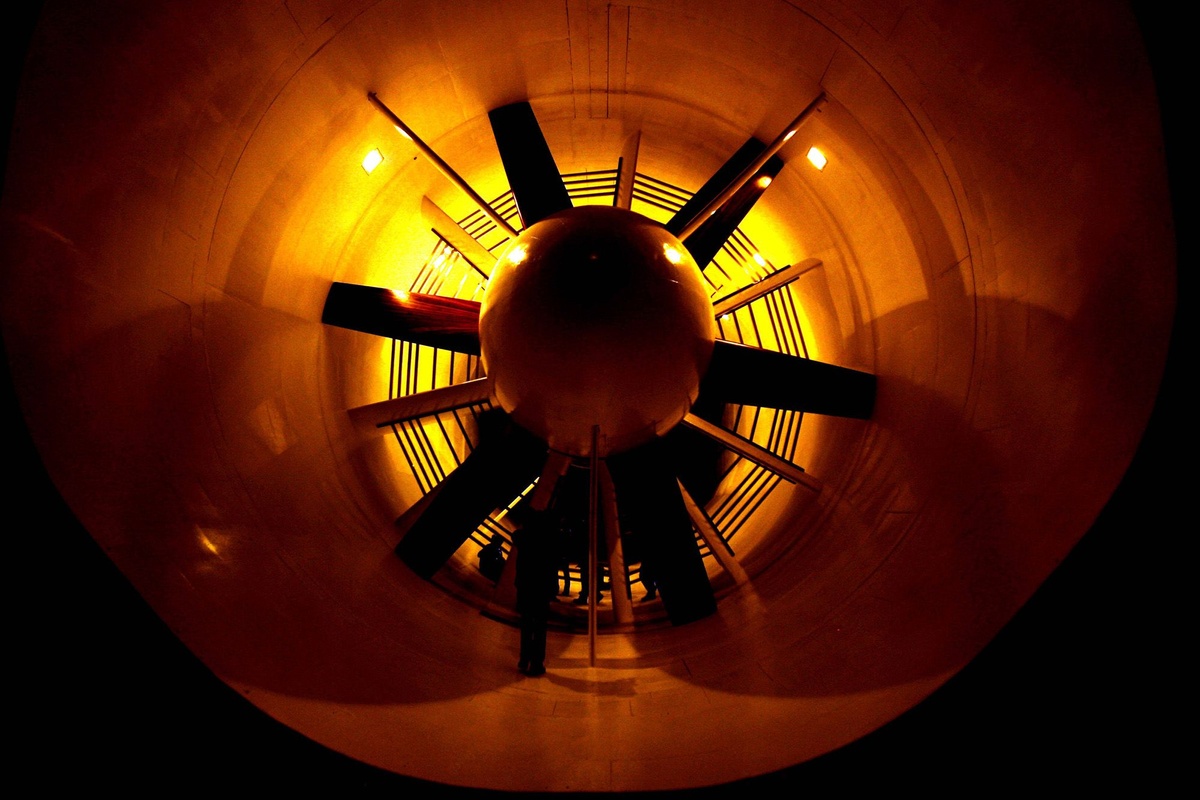
The “new tool” refers to Red Bull’s upcoming wind tunnel at its Milton Keynes base, which is currently under construction. Although progress had previously been reported ahead of schedule, Waché has clarified that the facility is unlikely to be operational within the current season. “We hope that we will have it running at the beginning of next year,” he said.
The limitations of the current setup have long been a talking point within the team. Former team principal Christian Horner once described the existing wind tunnel as a “Cold War relic,” highlighting how its age has occasionally contributed to mismatches between simulation data and on-track behaviour. In contrast, rival teams such as McLaren and Aston Martin have invested heavily in modern facilities, with varying degrees of competitive return.
Development Path and Upcoming Steps Forward
Despite infrastructure constraints, Red Bull’s technical group has still managed to introduce meaningful updates during the season. A Miami package featuring revised sidepods and aerodynamic elements marked a strong step forward, with Waché noting that these concepts had been in development since early testing in Bahrain.
Looking ahead, the team is set to continue incremental upgrades, including a “minor step” planned for Montreal, followed by a more substantial development push later in the European season. One key target remains reaching the minimum weight limit by the Austrian Grand Prix, which could further unlock performance if achieved alongside continued aerodynamic progress.