
The Tumultuous Tenure of Ruben Amorim at Old Trafford
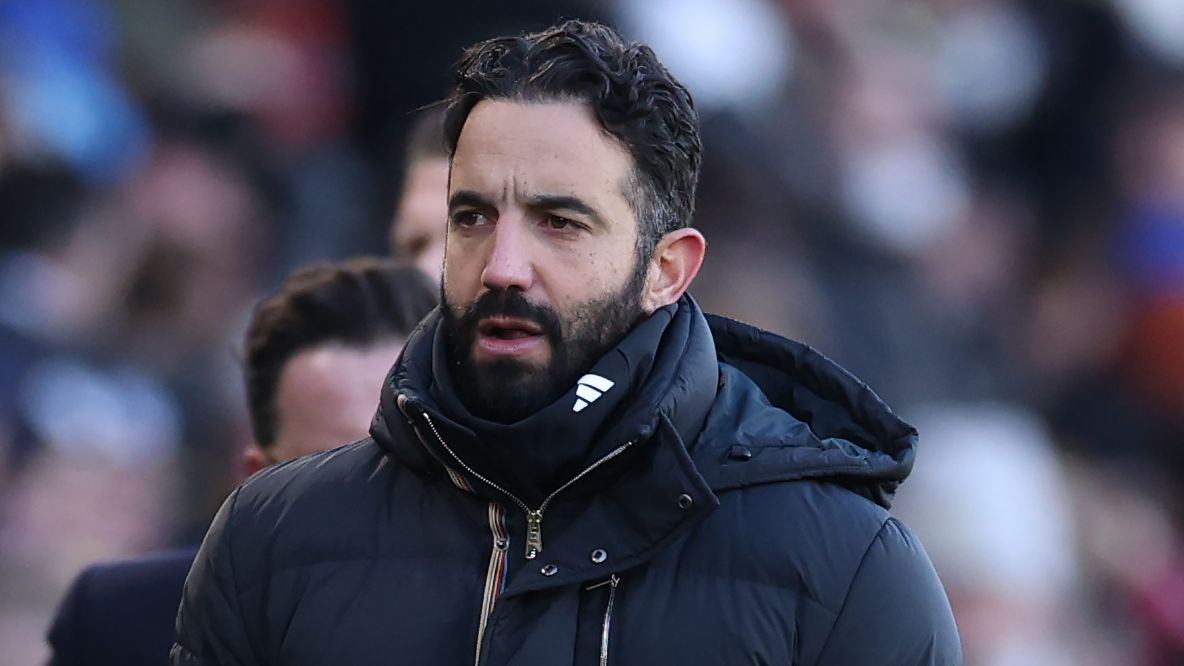
The Theatre of Dreams often chews up managers and spits them out, and Ruben Amorim's brief, tumultuous reign at Manchester United is a stark reminder of that brutal reality.
Key Takeaways from Amorim's Tenure:
- Ruben Amorim's 14-month stint at Manchester United ended abruptly in January with a dismal 38.1% win rate.
- Assistant Adelio Candido argues the project was prematurely halted, lacking time to fully embed Amorim's tactical vision.
- Internal strife, particularly with Director of Football Jason Wilcox, reportedly hampered progress and unity.
- Despite the struggles, the coaching staff views the Premier League experience as an invaluable learning curve.
The Tumultuous Tenure: A Vision Unfulfilled at Old Trafford
When Ruben Amorim arrived at Manchester United, expectations were sky-high. His sterling reputation from Sporting CP, where he led the club to multiple trophies with a modern, attacking philosophy, promised a new dawn for the Red Devils. Yet, the brutal reality of Premier League football quickly set in.
Over a mere 14 months, Amorim managed just 47 top-flight matches, securing victory in less than a third of them. A disappointing 38.1% overall win rate ultimately sealed his fate, leading to his dismissal in January as the team's performances plummeted.
Tactical Hurdles and the Back-Three Battle
Despite the clear-cut numbers, Amorim's coaching staff firmly believes the project was cut short. His signature back-three system, a tactical masterpiece in Portugal, simply couldn't take root in the unforgiving English landscape. The squad often appeared disjointed, caught between adapting to a complex new strategy and the relentless demand for immediate results.
The challenge wasn't just about implementing a system; it was about transforming a culture. The nuances of Premier League play, combined with the pressure cooker environment of Old Trafford, proved an incredibly steep learning curve for the Portuguese manager and his team.
Candido's Candid Take: The Time Crunch
Adelio Candido, a trusted confidant and key assistant to Amorim, recently offered a rare glimpse into their ill-fated stint. Speaking to Portuguese outlet A Bola, Candido highlighted the severe lack of time as their primary frustration.
"In Manchester, I liked the city a lot and the way that the fans live and breathe football, more focused on the project than on immediate results. What I liked less was, undoubtedly, feeling that our ideas were not being fully implemented," Candido revealed. This sentiment underscores the core dilemma: a long-term tactical build-out collided head-on with Manchester United's insatiable hunger for instant success.
Behind the Scenes: Fractured Foundations
Beyond the struggles on the pitch, off-field dynamics also played a critical role in Amorim's downfall. Reports suggest a significant cooling of relations within the club's sporting hierarchy. Specifically, a breakdown in communication between the head coach and Director of Football Jason Wilcox created a tense and ultimately unproductive working environment.
This lack of internal synergy proved devastating. When the recruitment department and the coaching staff aren't aligned, building a solid foundation for a new tactical vision becomes an impossible task. The internal friction meant the vital support system needed to "implement those ideas" crumbled, leaving Amorim increasingly isolated.
What Next? Lessons from the Red Devils' Rollercoaster
Since his abrupt departure from Old Trafford, Ruben Amorim has maintained a dignified silence, stepping back from the media storm. However, Adelio Candido remains philosophical about the experience, refusing to label their time in Manchester as a complete failure.
"An experience is always an experience," Candido noted, emphasizing the invaluable lessons gained from navigating the world's most scrutinized league. "Even if people think our work was good or bad, we always learn something in the end." Only time will tell how this high-profile chapter will shape their future. For Manchester United, the Amorim era stands as a stark reminder of the immense challenges in modernizing the club.
.png)