
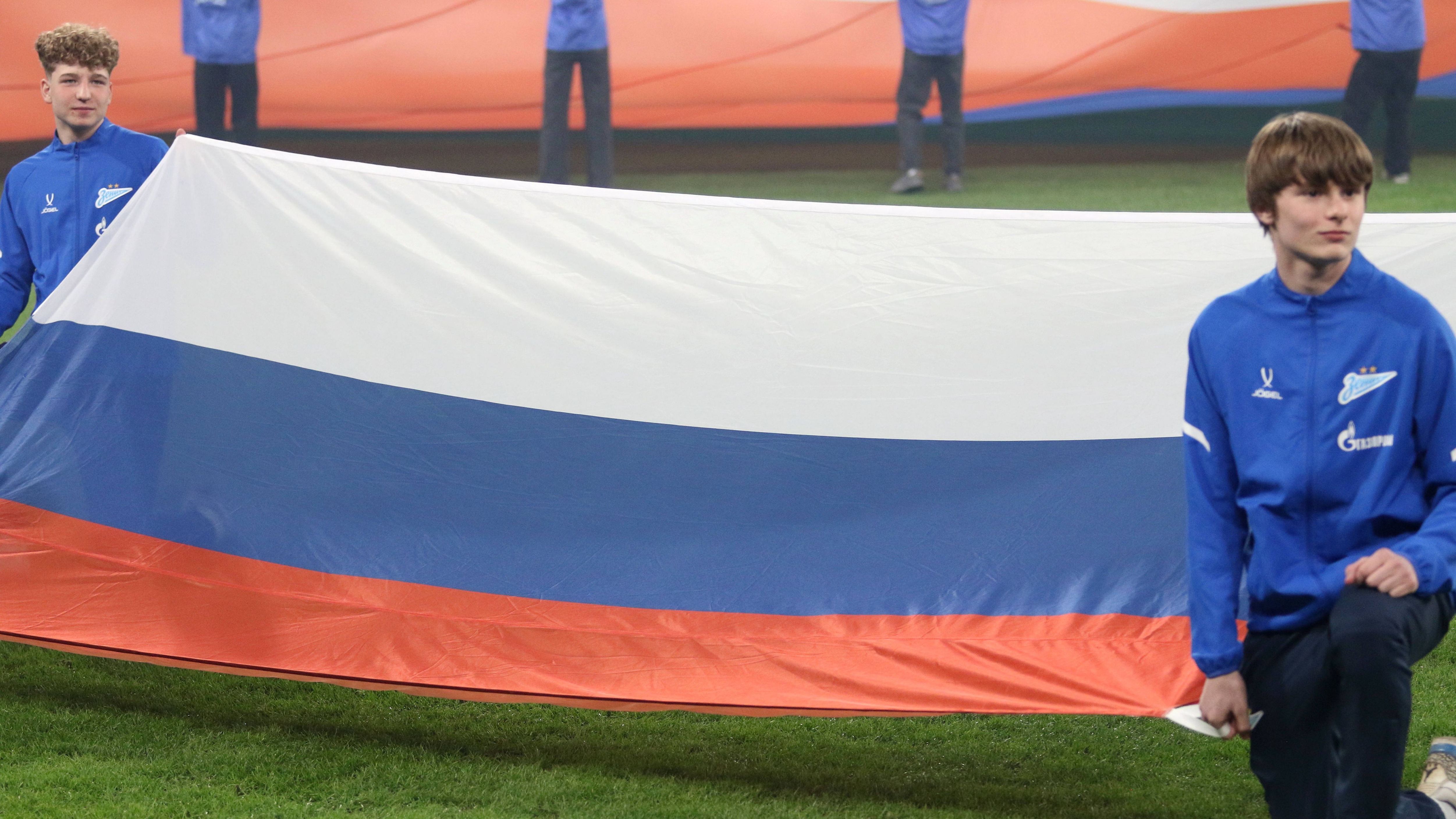

The football world holds its breath as Russia's youth squad re-enters the international stage, a move by FIFA that shatters the two-year sporting isolation imposed since the Ukraine conflict.
- Russia's Under-15 team is back in FIFA's international fold, participating in a new festival tournament.
- This marks the first easing of sanctions against Russian football since February 2022.
- However, the return is strictly limited to grassroots youth football; senior teams remain banned.
- FIFA frames the initiative as a way to foster global youth development and competitive opportunities.
A Shifting Landscape: Russia's Youth Return Ignites Debate
For the first time since their sweeping ban in February 2022, a Russian national football team is officially back in a FIFA-sanctioned international competition. The decision, which has sent ripples across the global sports community, sees Russia’s Under-15 squad included in the inaugural FIFA U-15 World Cup & Festival draw held in Azerbaijan. This carefully orchestrated return marks a pivotal, albeit partial, easing of sanctions against the nation.
The young Russian side finds itself in a six-team pool alongside nations like Turkey, Afghanistan, Djibouti, Sierra Leone, and Sudan. This is a significant moment, with invitations extended to all 211 member associations last December, paving the way for a cautious re-engagement at the grassroots level.
FIFA's Vision: Nurturing Global Talent
FIFA has been quick to clarify the strategic intent behind this new "festival" tournament. It's not just about competition; it's about development. The governing body stated its aim is to address "a fundamental challenge in international football: providing meaningful competitive opportunities for nations in which qualifying for FIFA competitions remains an enormous challenge." This grassroots focus allows FIFA to claim a humanitarian and developmental purpose behind the controversial inclusion.
The tournament format itself is designed for inclusivity, featuring 191 teams playing eight-a-side matches with 20-minute halves on smaller pitches. This experimental setup aims to foster engagement and skill development rather than intense competitive pressure.
No Shortcut for Seniors: The Iron Wall Remains
While the youth team steps back onto the pitch, any hopes for a broader, immediate return for Russia’s senior national teams or club sides have been firmly dashed. The iron wall of sanctions remains unbreached at the professional level. Russian clubs are still locked out of prestigious competitions like the Champions League, and the senior national team faces continued exclusion from tournaments such as the European Championship.
UEFA President Aleksander Ceferin has been unequivocal on this front. He has repeatedly stated that the door to senior international football will remain firmly shut for Russia as long as the conflict in Ukraine persists. Previous appeals to the Court of Arbitration for Sport by Russian entities to lift these bans were unsuccessful, largely due to widespread threats of boycotts from other European federations.
Geopolitical Shadows Over Azerbaijan Festival
The FIFA U-15 World Cup & Festival, scheduled to run in Azerbaijan from October 24 to October 30, carries the unmistakable weight of ongoing geopolitical tensions. While Russia's inclusion is the headline, the absence of several high-profile footballing nations tells another story. Teams from Ukraine, Germany, the Netherlands, and the United States are notably missing from the roster, highlighting the deep-seated divisions that still ripple through international sport.
Looking ahead, FIFA plans to expand this initiative, with a girls' edition slated for next year. The ultimate goal is to establish both grassroots festivals as annual events by 2028. This long-term vision underscores FIFA's commitment to youth development, even as the ethical complexities of Russia's partial return continue to dominate discussions.