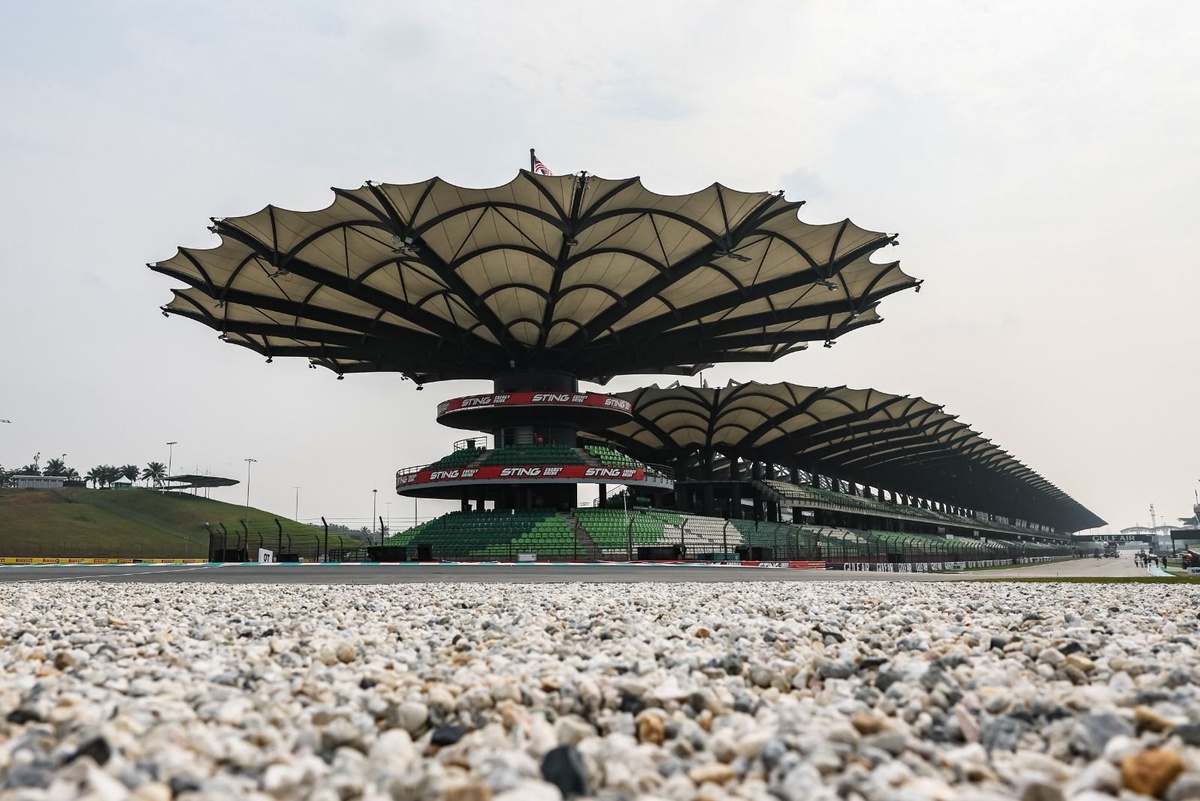

After a seven-year hiatus, the Malaysian circuit returns with an entirely new generation of F1 cars, leaving teams with plenty of unknowns beyond the venue's well-established climate and abrasive track surface.
Key Challenges at Sepang
- Extreme Conditions: Drivers will face intense heat and humidity, with late-afternoon downpours adding another challenge.
- High Tyre Degradation: Sepang's abrasive surface is expected to push tyre temperatures and degradation higher than at many other circuits.
- Energy Management: The long straights and sharp corners create difficult choices around battery harvesting and deployment.
- Wet-Weather Uncertainty: Heavy rain could provide a major test for this year's wet and intermediate tyres, which have seen limited running.
The Phoenix Rises: Sepang's F1 Encore
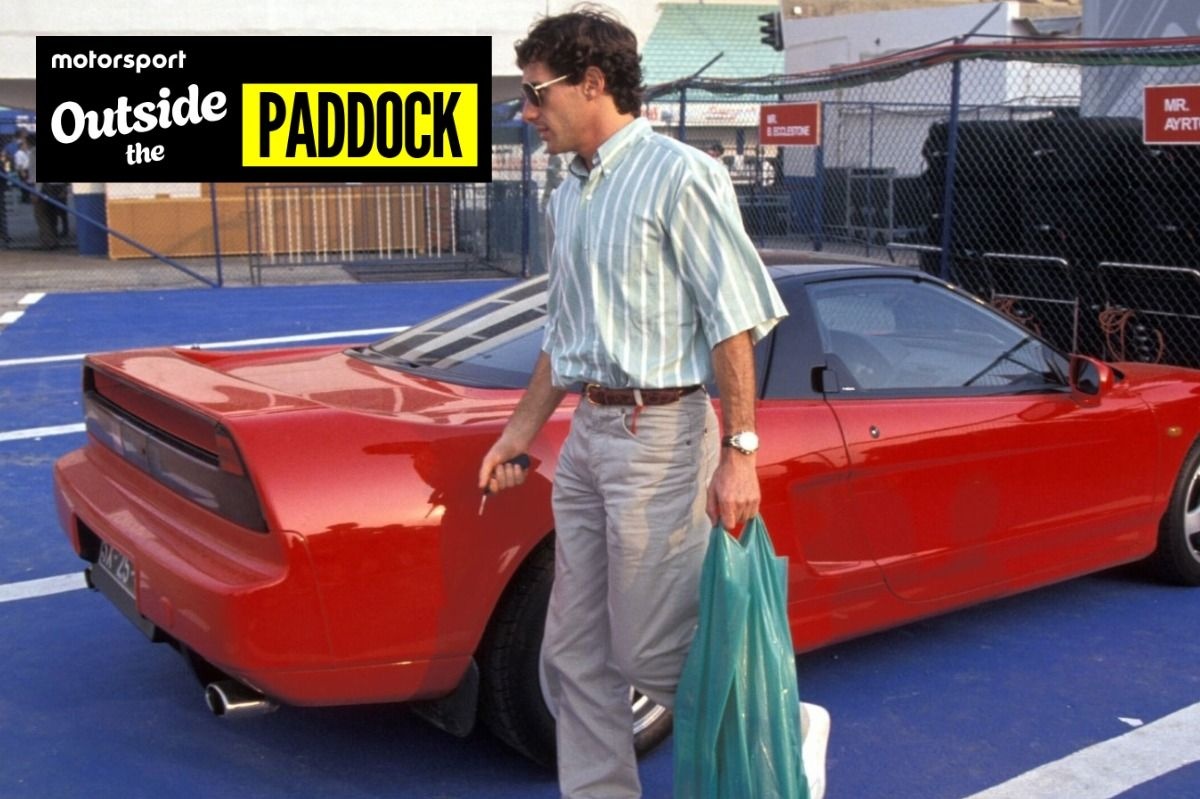
For many veteran fans, the return of Sepang offers a nostalgic reminder of Formula 1's expansion into Asia under Bernie Ecclestone. The circuit also helped establish the template for the wide tracks and long straights associated with architect Hermann Tilke, designed to create overtaking opportunities through heavy braking zones.
However, political and financial factors eventually ended Malaysia's run on the calendar. High ticket prices contributed to poor attendance, and after 18 years, Malaysia terminated its hosting deal one season early in 2017.
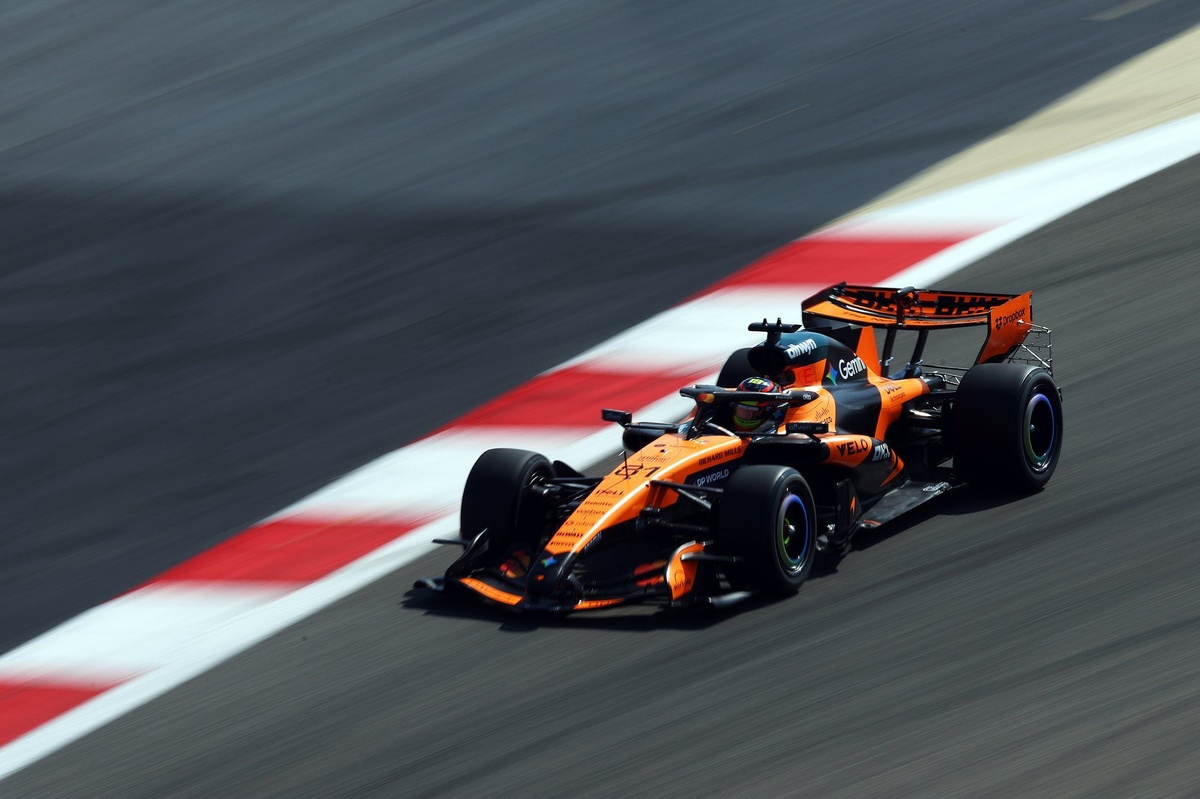
Now, Sepang returns as a stand-in for the Bahrain Grand Prix, but the current F1 cars are completely different from those that last raced here. That makes the circuit a fresh challenge for most of the grid.
Asphalt Agony: Sepang's Tyre-Shredding Surface
One truth about Sepang remains well established: its track surface is extremely abrasive. Its open-textured aggregate was designed to withstand the harsh weather and provide fast drainage, but it also generates significant heat in the tyres.
That is expected to make tyre degradation a major factor. Pirelli has selected the C2, C3 and C4 compounds for the weekend, with the range sitting just one step harder than the selection used in Baku.
The extra degradation could also create more strategic variation after several recent races offered limited tyre wear and pushed teams towards similar strategies.
Battery Deployment Adds Another Complication
Sepang's combination of long straights and sharp corners also creates a complicated energy-management challenge.
Fernando Alonso, who took his maiden F1 pole at Sepang in 2003, explained that drivers will need to save battery through much of the middle sector to ensure enough electrical energy is available for the three major straights later in the lap.
That could make the middle sector slower, while using electrical power to overtake could come with a cost. The additional energy sent through the rear tyres can raise surface temperatures and increase the risk of overheating.
George Russell expects that tyre overheating could make following and re-attacking more difficult than at other so-called "yo-yo" circuits. Unlike cooler venues such as Baku, the heat at Sepang could prevent drivers from staying close enough to maintain the advantage of the additional overtaking power.
Rain Could Change Everything
The biggest wildcard may arrive from the sky. Sepang is well known for heavy late-afternoon rain, with the intense heat capable of drying the surface quickly once the downpour passes.
That creates a difficult situation for teams, as conditions can sometimes sit between dry and properly wet. The 2009 Malaysian Grand Prix provided a famous example, with rain eventually forcing a red flag and preventing the race from reaching its full distance.
The conditions could also provide one of the first major tests for this year's wet-weather tyres. Carlos Sainz expects both the tyres and the power-unit characteristics to make wet running particularly challenging, while Isack Hadjar said his experience of the new wet tyres in Japan left him concerned about their grip in heavy rain.
With the weather, tyre temperatures and energy management all adding uncertainty, Sepang's return could produce one of the most strategically demanding weekends of the 2026 F1 season.