


The roar of the crowd in Miami still echoes, but for Norway, the sound is drowned out by a deafening chorus of frustration over a controversial Jude Bellingham equalizer that sent them crashing out of the World Cup. A spidercam wire, a phantom touch, and a FIFA denial have left a bitter taste.
Key Points:
- Norway claims Bellingham's equalizer was illegally assisted by a spidercam wire.
- FIFA officially denies any contact, citing advanced ball sensor data.
- Norwegian stars Sander Berge and Martin Ødegaard label the situation "ridiculous."
- England coach Thomas Tuchel admitted his side experienced "luck" in key moments.
The Ghost in the Machine: Norway's Spidercam Fury
Norway's World Cup dream ended in bitter disappointment, fueled by a contentious incident involving a spidercam wire. They vehemently argued that Jude Bellingham's crucial equalizer for England should have been disallowed, alleging the ball struck the aerial cable moments before the goal. Had their claims been substantiated, the goal would have been chalked off, potentially altering the course of the quarter-final clash.
Sander Berge, Norway and Fulham midfielder, didn't mince words: "It's ridiculous, this one with the wire. The 2-1 result says itself – there are small margins and we know which way it went." Captain Martin Ødegaard echoed his teammate's sentiment, lamenting the lack of favorable refereeing decisions.
A Ball From the Heavens? The Crucial Build-Up
Replays indeed showed Norway goalkeeper Ørjan Nyland's goal kick soaring perilously close to the suspended spidercam cable. Immediately after this, the ball dropped sharply for Elliot Anderson, who then linked up with Anthony Gordon, setting the stage for Bellingham to coolly slot home. The swift descent of the ball became the focal point of Norway's protests.
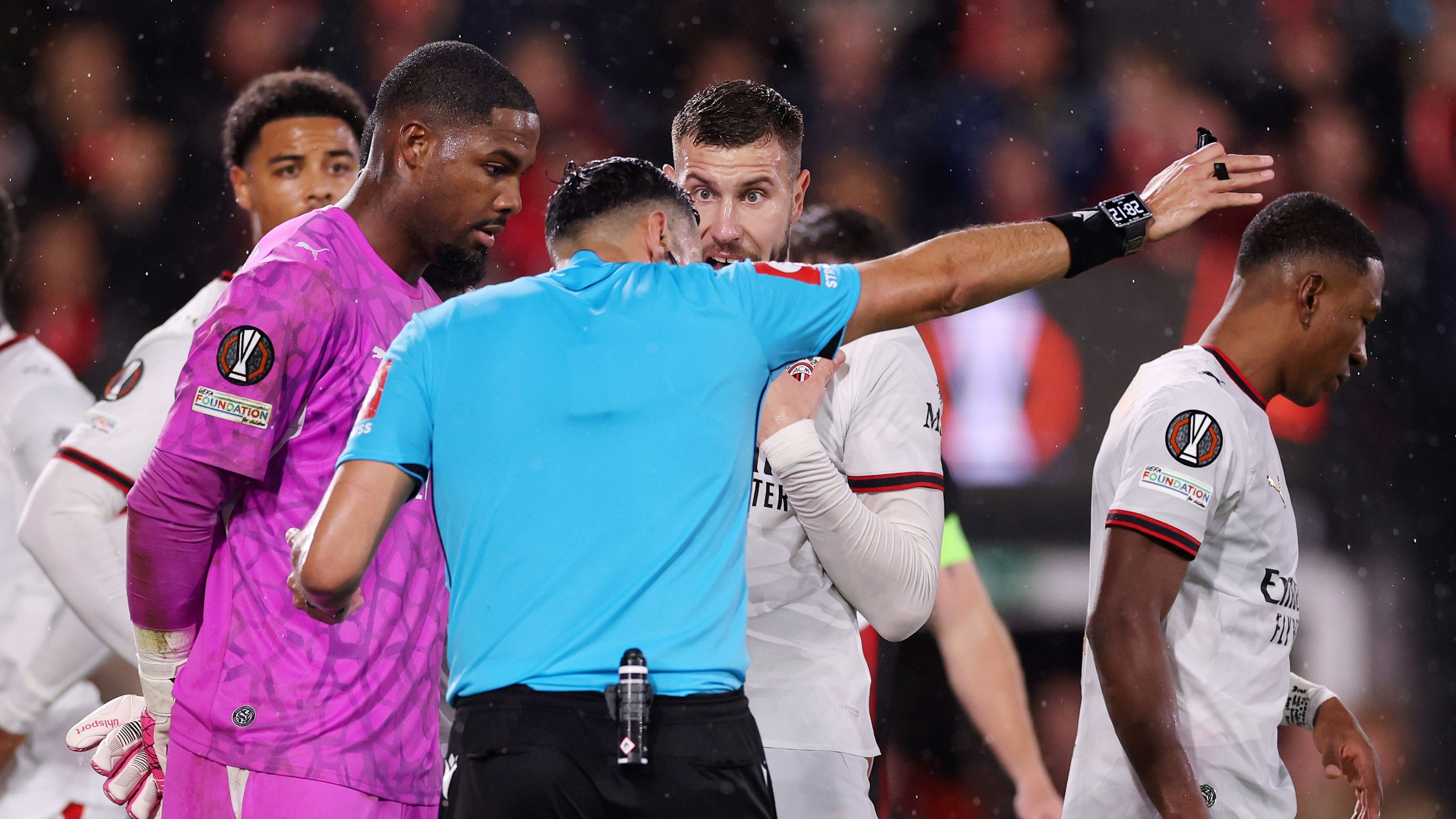
Norwegian players swarmed referee Clément Turpin, demanding an explanation. Coach Ståle Solbakken confirmed he confronted the official at half-time. Solbakken stated: "He says that he didn't see it himself and that he didn't get any message that it actually happened." Yet, Solbakken remained convinced: "The ball fell straight down, right in front of the bench, so it did touch it... The ball dropped down straight from heaven, says everyone – including the goalie, including the guy who was going to receive the ball. I think it was pretty clear that it did."
FIFA's Official Verdict: No Evidence of Contact
Despite the impassioned pleas from the Norwegian camp, FIFA issued a definitive denial. A statement on social media platform X clarified the situation: "Before England's goal in minute 45+2 against Norway, the sensor in the connected ball showed no peak in the 'heartbeat of the ball' when in the air, and therefore no evidence that the ball touched the overhead wire and changed the movement of the ball." This ruling effectively closed the official inquiry into the incident.
However, not everyone was convinced by the official line. Former England striker Wayne Rooney, speaking on BBC Sport, observed: "The ball seems to deviate and come down quickly. It sort of deviates the ball." This expert opinion added another layer to the already heated debate.
Tuchel's Candid Admission and the Echoes of Prior Controversy
The spidercam technology, more commonly associated with cricket's "Snickometer," has already cast a shadow over this World Cup. A similar controversy erupted during Portugal's dramatic 2-1 victory over Croatia in the Round of 32. This prior incident highlighted the potential for such technology to influence critical match outcomes.
England head coach Thomas Tuchel acknowledged the ball's embedded chip should provide definitive answers. While he admitted not seeing the specific incident himself, he candidly conceded that his side had experienced moments of good fortune. "I'm not saying we are lucky to win," Tuchel stated, "but we are lucky in decisive moments." This admission offers a nuanced perspective on England's progression amidst the ongoing controversy.