
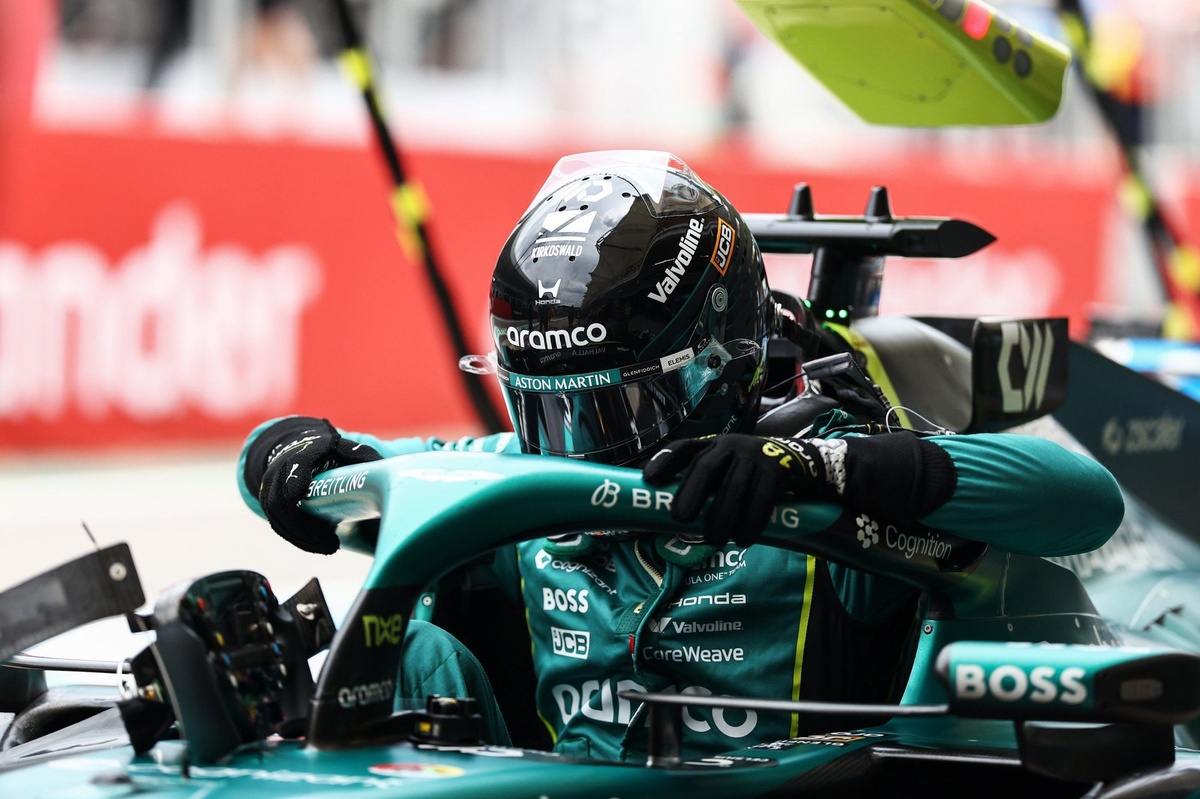

The season has become a relentless endurance test for Lance Stroll, and the Brazilian Grand Prix delivered yet another cruel blow, marking his 13th retirement due to mysterious battery failures. While Aston Martin’s potential often glimmers, persistent technical gremlins continue to derail their efforts, leaving fans and engineers alike scratching their heads.
Key Takeaways:
- Lance Stroll suffered his 13th DNF of the season at the Brazilian Grand Prix, again due to battery issues.
- Honda engineers are baffled, admitting they don't know the root cause of the recurring power unit problems.
- The identical battery failures on both Saturday and Sunday at Interlagos highlight a critical design or operational flaw.
- An urgent investigation is underway to find countermeasures and prevent these reliability woes from spilling into next year's campaign.
Another Heartbreak for Stroll in Brazil
It was a familiar, disheartening scene at Interlagos as Lance Stroll was forced to retire on lap 30, his Aston Martin AMR26 crippled by a battery issue. This marks an astounding 13th DNF for the Canadian driver this season, a statistic that speaks volumes about the team's reliability struggles. The sheer frequency of these mechanical failures is not just a problem for Stroll; it's a massive headache for Aston Martin and their engine partners, Honda.
The Unexplained Power Drain
The frustration was palpable, with Stroll's post-race comments terse and to the point: "Battery issue." What makes this particularly alarming is that the issue wasn't isolated to the race itself; Honda's trackside general manager, Shintaro Orihara, confirmed similar battery troubles plagued Stroll's car on Saturday. This isn't just a one-off race incident; it points to a deeper, systemic problem that Honda is openly struggling to diagnose.
Honda's Urgent Hunt for Answers
"We know what happened, but we don't know what is the root cause," Orihara admitted, highlighting the gravity of the situation. This isn't a simple fix; Honda expects it will take weeks to properly analyze the data and the faulty batteries to identify the fundamental flaw. The pressure is on, as failing to understand and address these Lance Stroll battery issues risks carrying the same reliability concerns into the crucial next season.
While reliability briefly improved mid-season, these recent battery woes are a stark reminder that the battle for consistency is far from over. Past issues, like early-season engine vibrations damaging batteries, were eventually tackled. However, the current problems appear distinct, adding another layer of complexity to Honda's diagnostic challenge.
Beyond Brazil: The Road Ahead for Aston Martin
Meanwhile, Fernando Alonso's performance at Interlagos offered a glimpse of the AMR26's potential, with the veteran racer reaching the top 10 in qualifying in the wet conditions. Orihara noted that the rain often masks engine performance weaknesses, suggesting that while drivability improved, there’s still significant work to be done. Alonso ultimately finished 12th, outside the points, underlining the persistent gap to the front-runners.
For Aston Martin F1, resolving Lance Stroll’s persistent battery issues is not merely about improving one driver’s fortunes. It’s about building a foundation of reliability and understanding their power unit thoroughly. Honda's deep dive into these recurrent failures is paramount, not just for Stroll, but for Aston Martin's entire championship aspirations moving forward.