
Super Formula Takes Center Stage Amid F1’s Hiatus
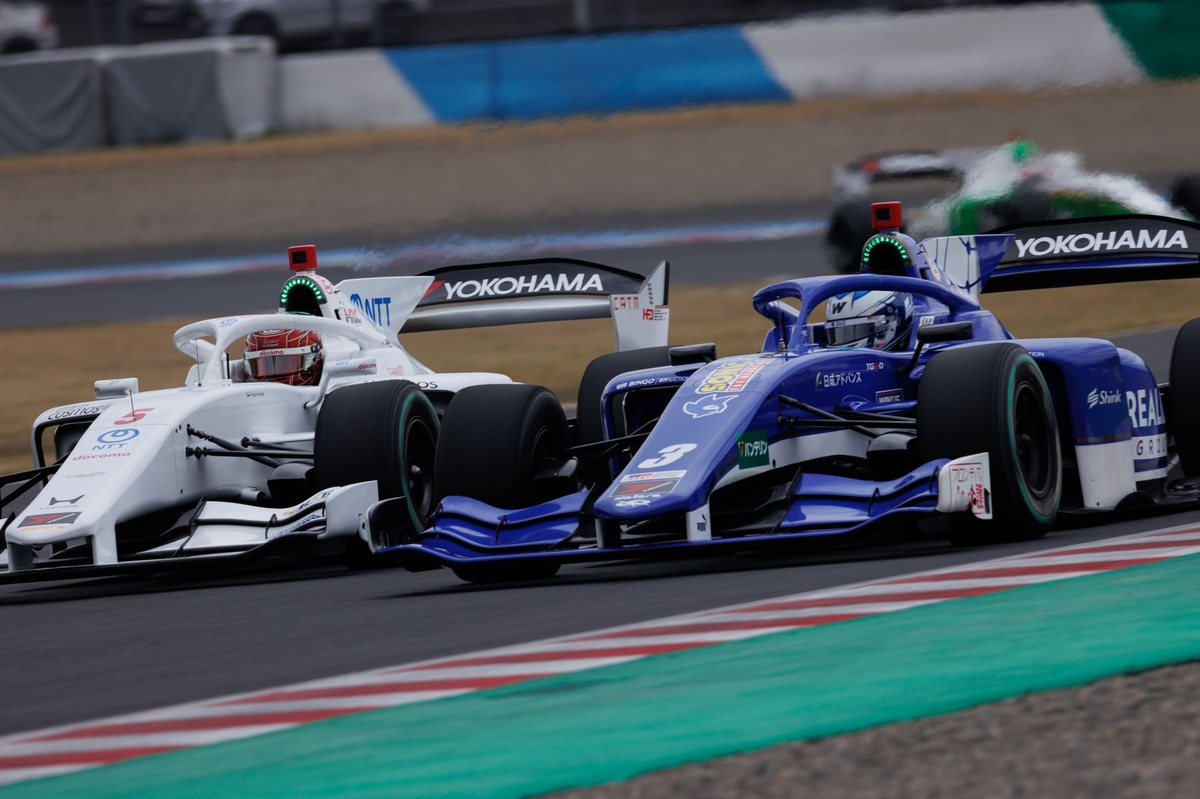
With F1 off-track, Super Formula roared into its season at Motegi, reminding fans why it’s a championship worth watching. A rain-soaked Saturday gave way to a Sunday spectacle that highlighted the series’ focus on strategy and genuine wheel-to-wheel action.
4 Key Highlights
- Super Formula kicked off its season at Motegi with a rain-affected Saturday and a strategy-heavy Sunday race.
- Early leader Toshiki Oyu’s pace issues opened opportunities for Nirei Fukuzumi and Luke Browning to move up the ranks.
- The series uses an Overtake System (OTS) to allow strategic passing without relying heavily on DRS, keeping races competitive.
- Teams and drivers balance entertainment and sporting integrity, showing lessons F1 could learn about genuine overtaking.
While overtakes were limited on the tight Motegi layout, the race unfolded as a strategic chess match. Early leader Toshiki Oyu struggled with pace, allowing unexpected contenders like Nirei Fukuzumi and Luke Browning to climb into the top positions, keeping spectators on edge until the checkered flag.
Overtake System: Balancing Strategy and Fair Play
Super Formula employs the Overtake System (OTS), similar to IndyCar’s push-to-pass, giving drivers a tactical boost of fuel flow to make passes in situations where dirty air limits acceleration. First introduced in 2009, the system evolved to its current form by 2019 and now provides 200 seconds of extra power per race.
While some purists argue it can lead to stalemates—defenders using OTS as effectively as attackers, teams rely on engineering guidance to optimize its usage. This system allows drivers to execute strategic overtakes without artificial shortcuts like DRS, preserving the integrity of the racing.
Lessons F1 Could Learn
Super Formula continues to demonstrate how a single-seater series can deliver competitive racing even with identical chassis and limited tyre options. Drivers and engineers work closely to manage strategy, exploiting tyre wear, energy allocation, and OTS usage. Ayumu Iwasa, the defending champion, suggested that more tyre degradation could further enhance overtaking opportunities, showing that Super Formula constantly experiments with methods to maintain excitement without compromising fairness.
A Showcase of Strategic Excellence
The Motegi opener proved that races can remain thrilling without gimmicks or heavy reliance on aerodynamics. Super Formula blends tactical depth, driver skill, and genuine wheel-to-wheel battles in a way that even F1 fans critical of modern racing can appreciate. As the series progresses, it will remain a fascinating benchmark for those looking for lessons in competitive, strategic, and entertaining single-seater racing.