.png)

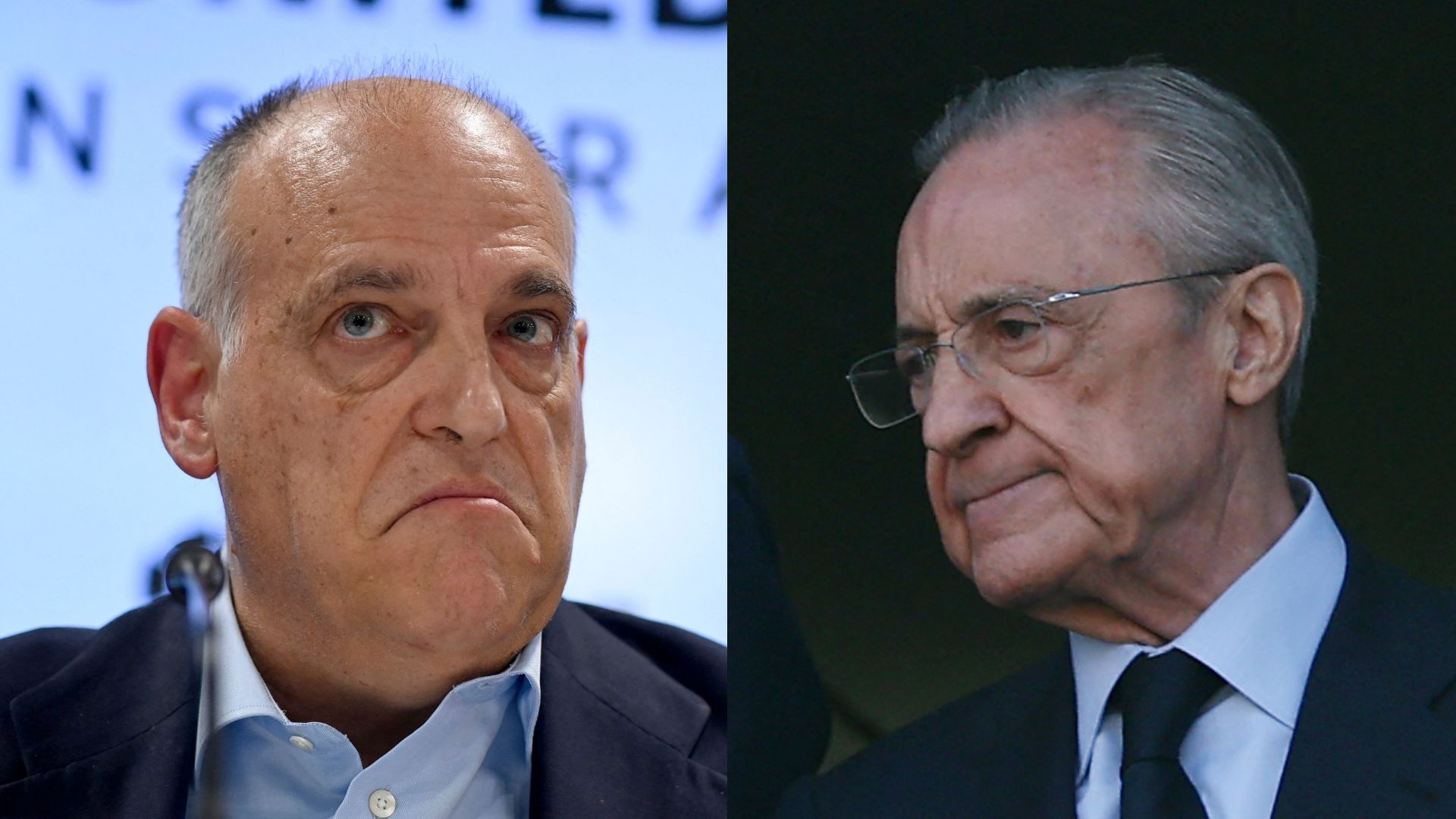
The boardroom battle for the soul of Spanish football just hit a fever pitch, with La Liga president Javier Tebas delivering a stunning, no-holds-barred response to Real Madrid's demand for his resignation.
Key Points:
- Real Madrid demanded Tebas's resignation, citing a lack of neutrality and repeated attacks on the club.
- Tebas defiantly rejected the call, asserting his independence and duty to defend the league's collective interest.
- He accused Los Blancos of pushing a biased agenda via Real Madrid TV and manufacturing persecution narratives.
- The bitter feud highlights deep, ongoing divisions over La Liga's governance and direction.
The Battle for La Liga's Soul Heats Up
Real Madrid, one of the sport's global giants, recently escalated its long-standing animosity with La Liga by publicly demanding the immediate resignation of its outspoken president, Javier Tebas. This unprecedented move signals a new low in the fractured relationship between the powerful club and the league's governing body.
The demand came after what Los Blancos perceived as a consistent pattern of non-neutral behavior and direct attacks from Tebas against their institution. They argued that Spanish football deserves impartial leadership, free from personal agendas.
Madrid's Grievances and the Call for Change
Real Madrid's statement didn't mince words, accusing Tebas of failing to uphold the impartiality required of his office. The club pointed to various incidents, including controversial comments surrounding recent derby matches, as evidence of his alleged bias.
For years, Los Blancos have maintained that Tebas's actions and statements actively undermine the league's credibility and damage the image of Spanish football. Their call for his departure signifies a belief that his governance is detrimental to the wider sport.
Tebas Fires Back: Independence Over Subservience
Instead of retreating, Javier Tebas launched a blistering public counter-attack, directly addressing and refuting every one of Real Madrid's accusations. He made it crystal clear that he is not, and will never be, subservient to any single club, regardless of its power or history.
"I have read the statement. I fully agree with one sentence: the president of La Liga is not the owner of the competition," Tebas retorted. "Neither is the president of Real Madrid." This pointed remark underscored his belief that Real Madrid overestimates its authority.
Distinguishing Neutrality from Duty
Tebas passionately distinguished between "neutrality" and "independence." He stated that if Real Madrid expected him to remain passive and avoid taking sides on matters of right and wrong, they were asking him to abandon his fundamental responsibilities. His role, he stressed, is to defend equality and apply the same rules to everyone.
He further accused Real Madrid of systematically using its official channel, Real Madrid TV, to spread conspiracy theories about a "rigged league" and portray every refereeing decision as proof of persecution. This, he argued, is what truly harms the image of Spanish football.
"Independence requires deciding with one’s own judgement, without pressures or subordination, applying the same rules to everyone and defending the common interest," Tebas declared, asserting his unwavering commitment to the league's collective well-being over individual club interests.
A Feud That Defines an Era
This latest skirmish is far from an isolated incident; it's another explosive chapter in a saga that has defined Spanish football's power dynamics for years. Real Madrid and La Liga have consistently clashed over financial reforms, broadcast rights, and the overall structural direction of the sport.
Tebas has repeatedly positioned himself as the guardian of the league's competitive balance, often clashing with Real Madrid and Barcelona over their immense financial might and influence. His public defiance now solidifies his stance against what he perceives as attempts by the most powerful clubs to dictate terms.
What's Next for Spanish Football's High-Stakes Rivalry?
With Javier Tebas firmly rejecting the resignation demands, the institutional fracture between Real Madrid and La Liga shows no signs of healing. The public nature of this dispute guarantees that every future administrative decision, refereeing call, or financial policy will be intensely scrutinized.
As the season progresses, the simmering tension will undoubtedly cast a long shadow over Spanish football. This deep-rooted ideological battle, far from over, promises to keep fans and pundits alike on the edge of their seats, watching to see who ultimately gains the upper hand in this high-stakes rivalry.