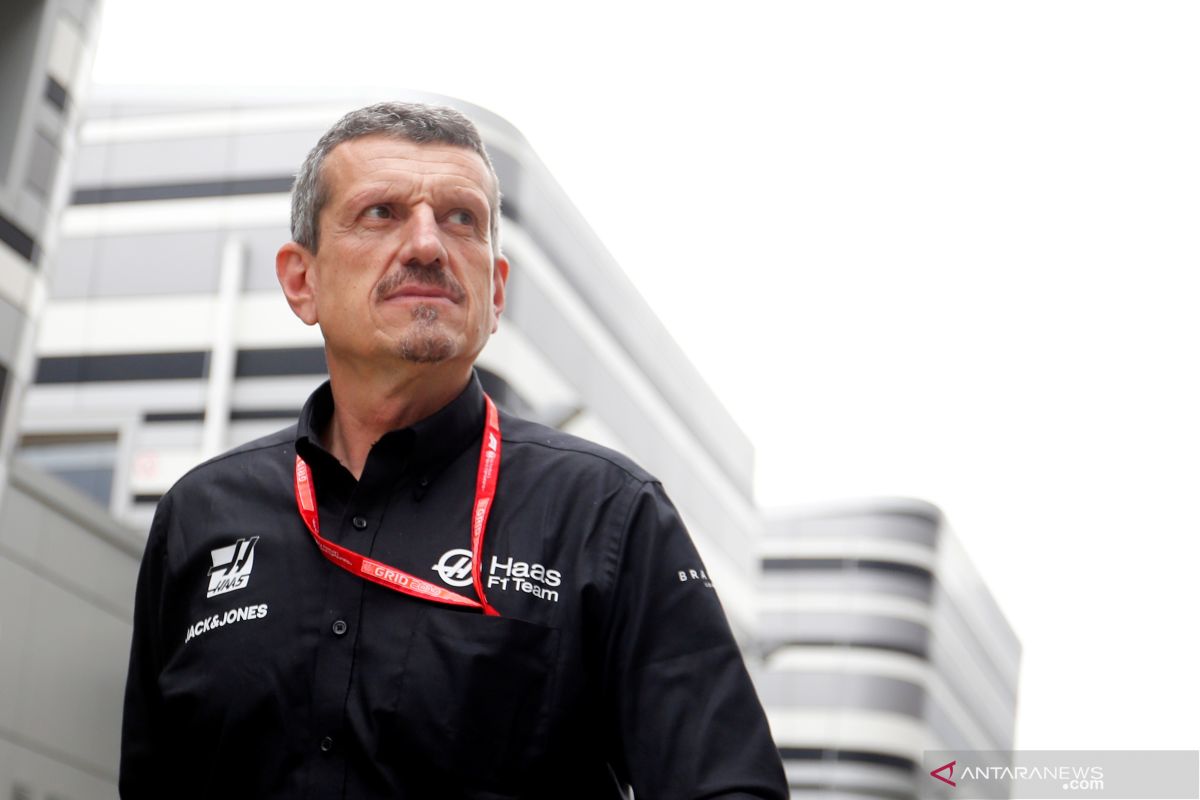
MotoGP manufacturers have agreed to stick with fixed annual payments instead of taking a share of the championship's future profits, and Tech3 CEO Guenther Steiner believes the decision is the right one for now.
The agreement forms part of MotoGP's new commercial contract covering the 2027 to 2031 seasons. During negotiations, manufacturers pushed for a revenue-sharing model similar to the one used in Formula 1 under Liberty Media. Instead, MotoGP's commercial rights holder opted to retain a fixed payment structure, with each manufacturer set to receive just under €8 million annually.
Steiner acknowledged that every stakeholder naturally wants a larger slice of the sport's commercial success, but said it is still too early to demand a percentage of MotoGP's profits.
He pointed out that Liberty Media has only recently taken over MotoGP's commercial operations, meaning its plans to expand the championship's global reach and generate higher revenues are still in their early stages. According to Steiner, the priority should be allowing the new ownership group time to grow the business before revisiting how profits are distributed.

Source: Redbull KTM Tech3
The former Formula 1 team boss believes the current arrangement also offers greater financial certainty. Rather than tying income to profits that may fluctuate from year to year, fixed payments provide manufacturers with predictable revenue while MotoGP works to strengthen its commercial value.
Steiner also warned that a profit-sharing model is not without risk. If the championship's profits were to fall, manufacturers would receive less money than expected. In his view, maintaining a guaranteed payment is the safer option until MotoGP's commercial growth becomes more established.
Looking ahead, Steiner said the focus should be on growing the championship together. If Liberty Media succeeds in increasing MotoGP's popularity and commercial income over the coming years, manufacturers will have a stronger case to negotiate a different financial model when the next agreement is discussed.
For now, he believes the compromise gives both sides stability while allowing MotoGP to concentrate on building a stronger and more profitable future.