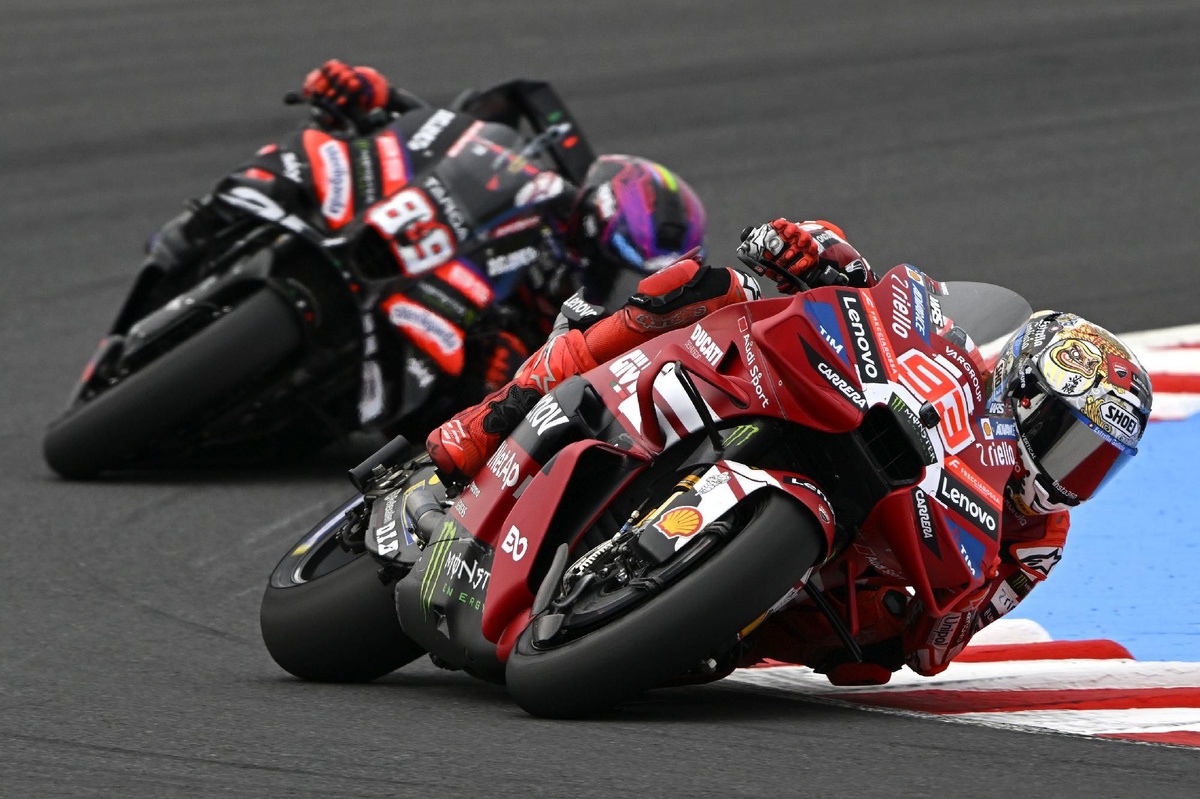

The tyre nobody wanted at Motegi turned out to be the one everyone needed.
The hard compound was largely overlooked throughout the opening stages of the Japanese Grand Prix weekend, as teams focused on softer and medium options while trying to understand the newly resurfaced Motegi circuit.
That changed dramatically after Saturday’s Sprint, when unexpected problems with the soft tyre forced Michelin to withdraw the compound from Sunday’s race and recommend the hard option instead.
Teams were given an extended warm-up session on Sunday to gather data, having had very little experience with the hard tyre at Motegi. What they discovered left several riders wondering whether they had missed an opportunity earlier in the weekend.
Fabio Quartararo summed up the surprise after the race.
“It was funny because nobody used it, and at the end it was the best tyre, so a bit crazy,” the Yamaha rider said.
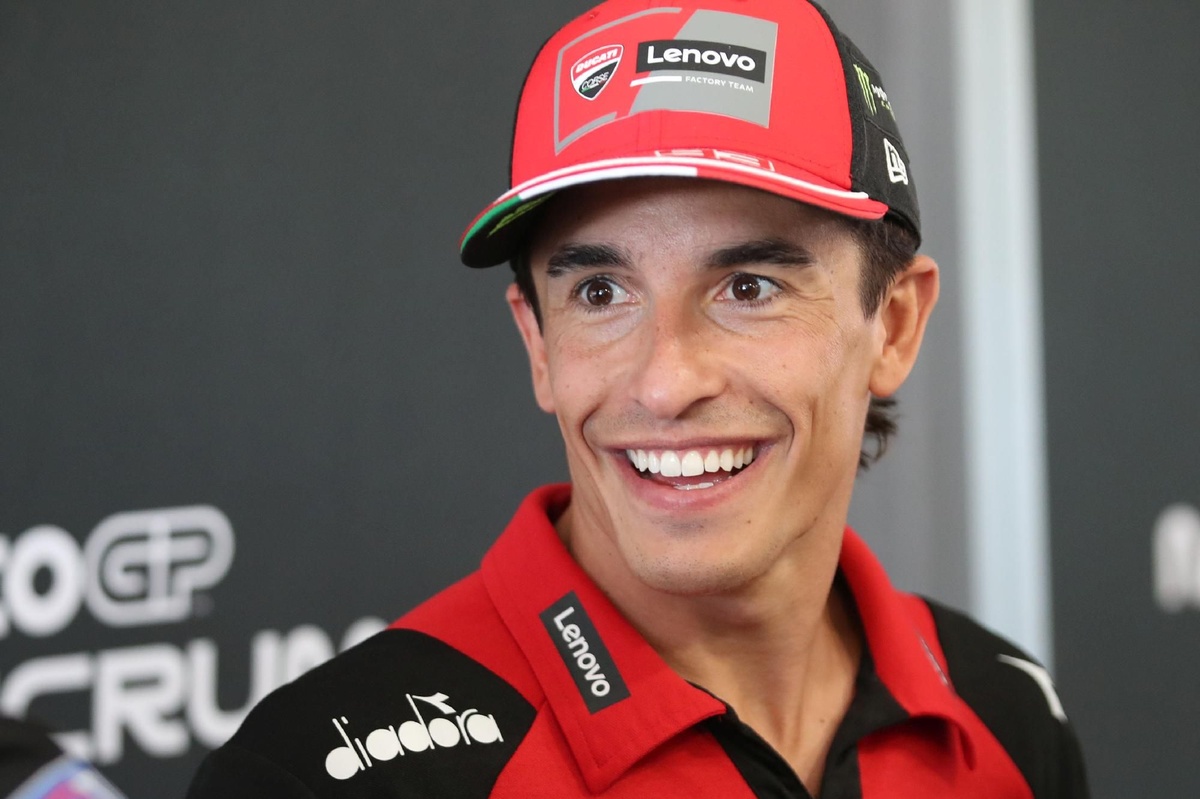
The hard tyre not only proved effective over the full Grand Prix distance, but its performance was strong enough to make Marc Marquez question whether it could have been the better choice even during qualifying.
The Ducati rider suggested the hard compound offered such a strong combination of stability and grip that it could have been useful for a single qualifying lap, challenging the usual assumption that softer tyres are always the fastest option for outright pace.
That left riders and teams to consider how much different the weekend might have looked had they tested the hard tyre earlier.
Jorge Martin was among those who came away impressed by its performance. The Aprilia rider admitted he was surprised by the lap times produced on the harder compound and praised the additional stability and grip it offered.
“Honestly, I was impressed about the lap times we were doing,” Martin said.
Although Martin did not believe the hard tyre would necessarily have been chosen for Saturday’s Sprint, he still saw its performance as a missed opportunity.
“I don’t think we would have raced the Sprint with it, but anyway, it was really good. Yes, a regret,” he added.
The situation highlighted just how difficult it was for teams to predict tyre performance at Motegi following the circuit’s resurfacing. With limited data available, most of the field naturally focused on the compounds they expected to provide the best performance.
Saturday’s Sprint changed those calculations almost overnight.
By Sunday, the hard tyre had gone from an overlooked option to the preferred solution for the entire field, proving how quickly tyre strategy can change in MotoGP when real-world performance does not match expectations.
For the teams, the experience was a reminder that assumptions can be costly, particularly at a newly resurfaced circuit where there is little historical data to guide decisions.
And at Motegi, the biggest question of the weekend may ultimately be what could have happened if the hard tyre had been given a chance from the beginning.