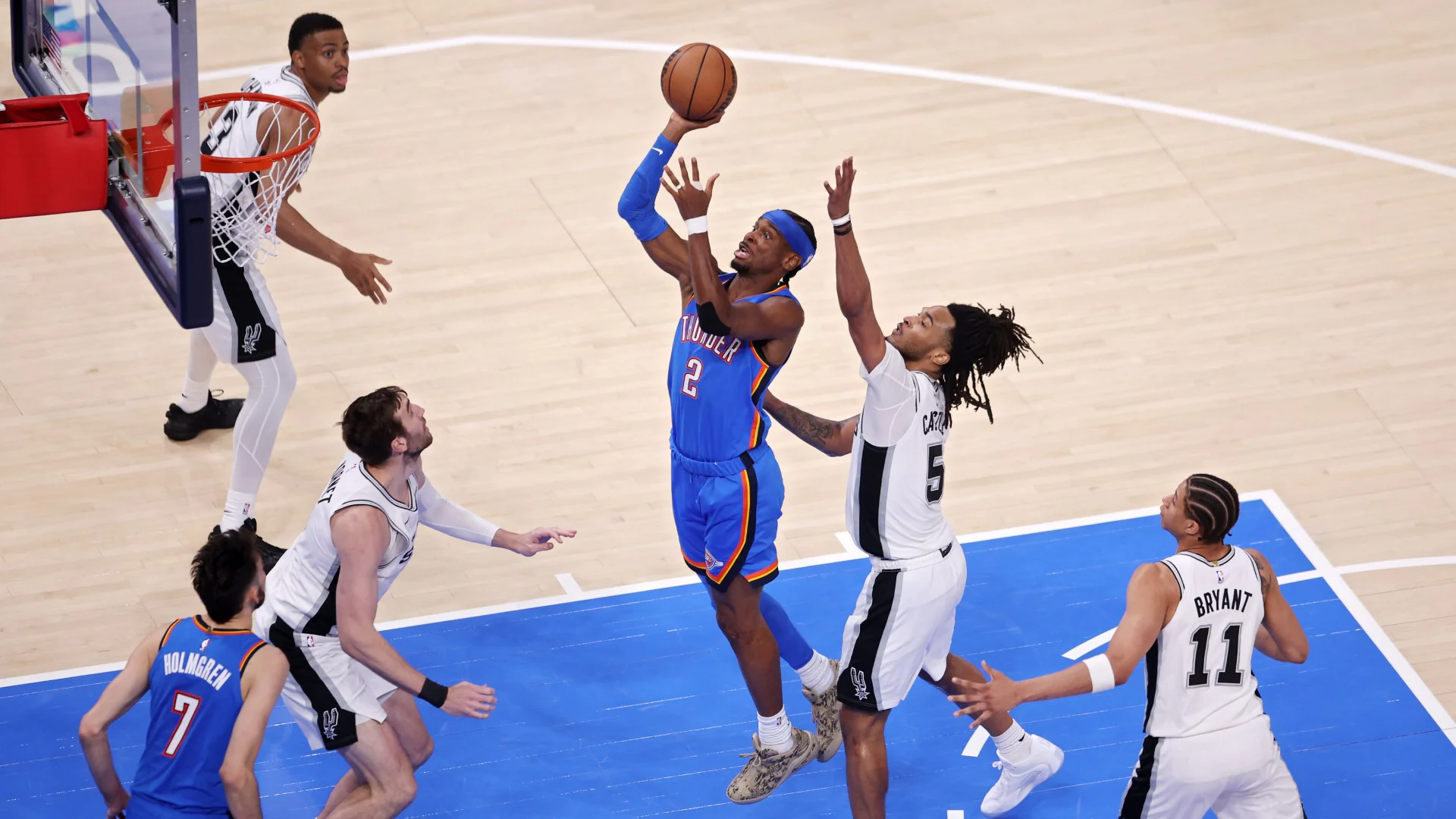

The Western Conference Finals head into a pivotal Game 3 with the series level after the Oklahoma City Thunder delivered an emphatic response against the San Antonio Spurs in Game 2.
While Oklahoma City regained momentum with a dominant performance, both teams now face growing concerns over injuries, rotation depth, and execution as the series intensifies.
Injury Concerns Begin to Shape the Series
Health has quickly become one of the defining storylines of the matchup.
The Thunder remain cautious over Jalen Williams, who continues to deal with recurring left hamstring tightness. Williams missed most of Game 2 after previously sitting out multiple games earlier in the playoffs. Despite the setback, Oklahoma City has shown it can remain competitive without him, posting an impressive record during his absences this season.
San Antonio’s injury situation has become even more complicated. De'Aaron Fox is still managing right ankle soreness and remains uncertain moving forward in the series. His absence has placed additional pressure on the Spurs’ younger players and secondary ball handlers.
Adding to the concern, rookie guard Dylan Harper exited Game 2 with a right leg injury after stepping into the starting lineup for Fox.
Spurs interim coach Mitch Johnson admitted the team will need greater contributions from its bench as the playoffs continue. Oklahoma City’s second unit has already made a major impact, heavily outscoring San Antonio’s reserves through the opening two games.
Veterans such as Harrison Barnes and Jordan McLaughlin are expected to take on larger roles as San Antonio searches for stability.
Turnovers Continue to Hurt San Antonio
The Spurs’ biggest issue so far has been ball security.
San Antonio committed 23 turnovers in Game 1 and followed that with 21 more in Game 2, allowing Oklahoma City to repeatedly capitalize in transition. The Thunder have already generated 55 points off turnovers across the first two games of the series.
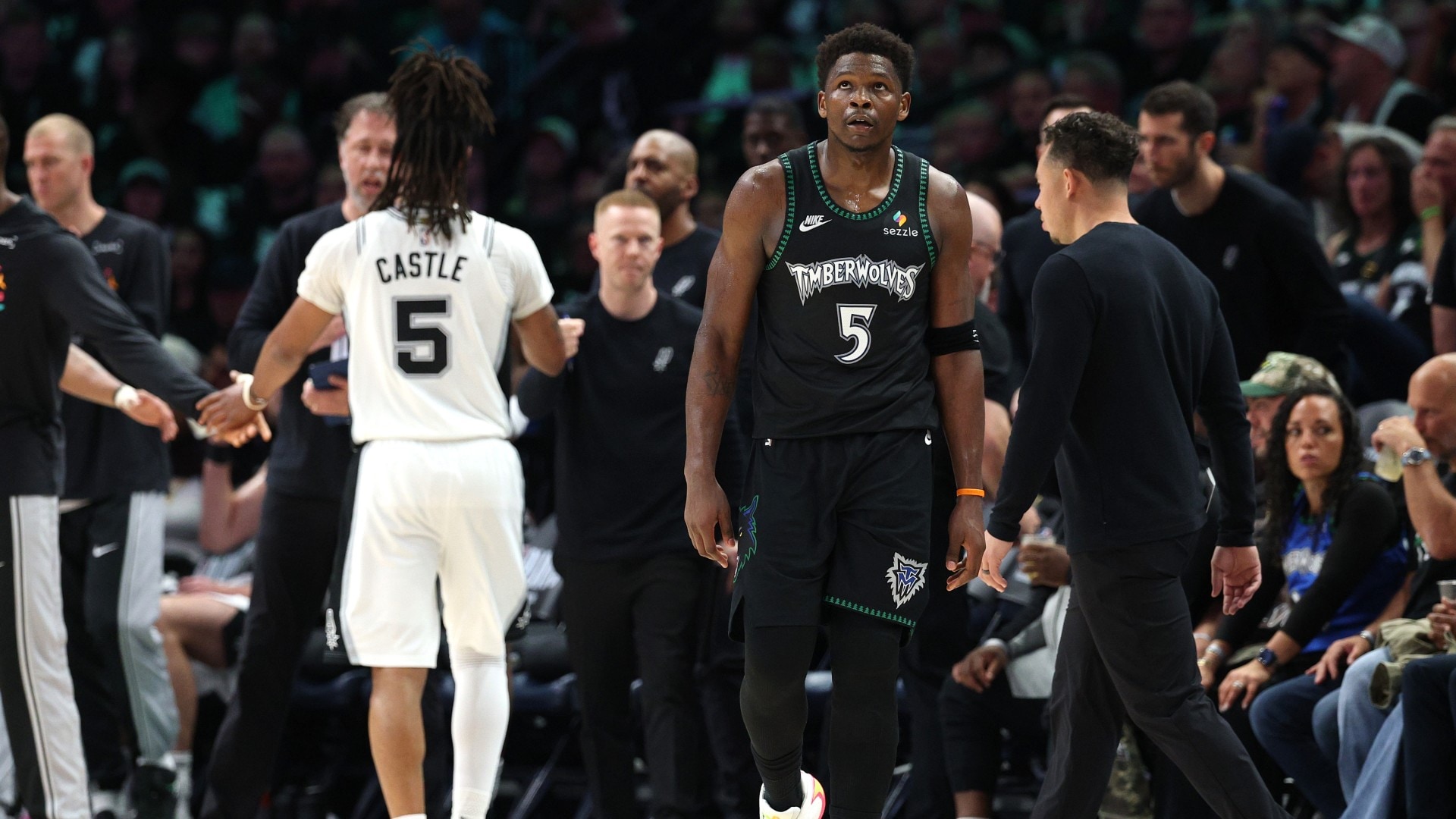
Rookie guard Stephon Castle has struggled under Oklahoma City’s defensive pressure, recording 20 turnovers combined through the opening contests. Several of those mistakes came during crucial stretches in Game 2 and helped fuel Thunder scoring runs.
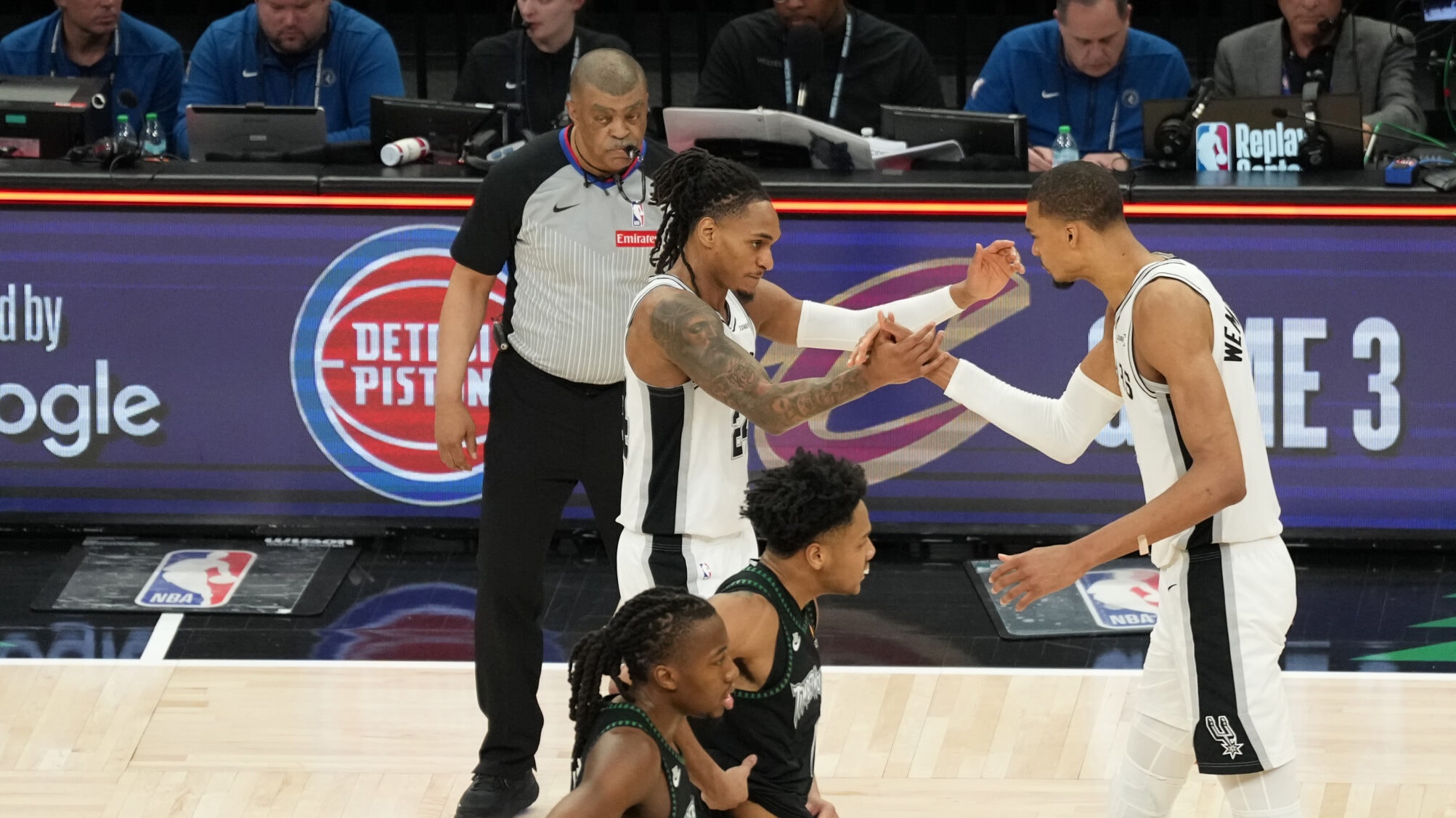
Even franchise star Victor Wembanyama has found himself under pressure, committing four turnovers in Game 2 as Oklahoma City continued to crowd passing lanes and force rushed decisions.
For San Antonio, improving composure and limiting mistakes may be the single most important adjustment heading into Game 3.
Thunder Adjust Defensive Plan on Wembanyama
After Wembanyama dominated Game 1 with 41 points and 24 rebounds, Oklahoma City made clear defensive adjustments in the second meeting.
The Thunder shifted more responsibility onto center Isaiah Hartenstein, using his size and physicality to challenge Wembanyama closer to the basket. The strategy successfully limited the Spurs star’s interior scoring opportunities and forced him into more perimeter attempts.
Wembanyama still produced 21 points and 17 rebounds in Game 2, but Oklahoma City largely succeeded in preventing him from controlling the paint the same way he had earlier in the series.
The Thunder’s approach appears straightforward: make every possession difficult and encourage Wembanyama to operate further away from the rim.
For San Antonio, creating cleaner offensive spacing and reducing turnovers will be essential if they want to free up their franchise centerpiece and regain control of the series on home court.