
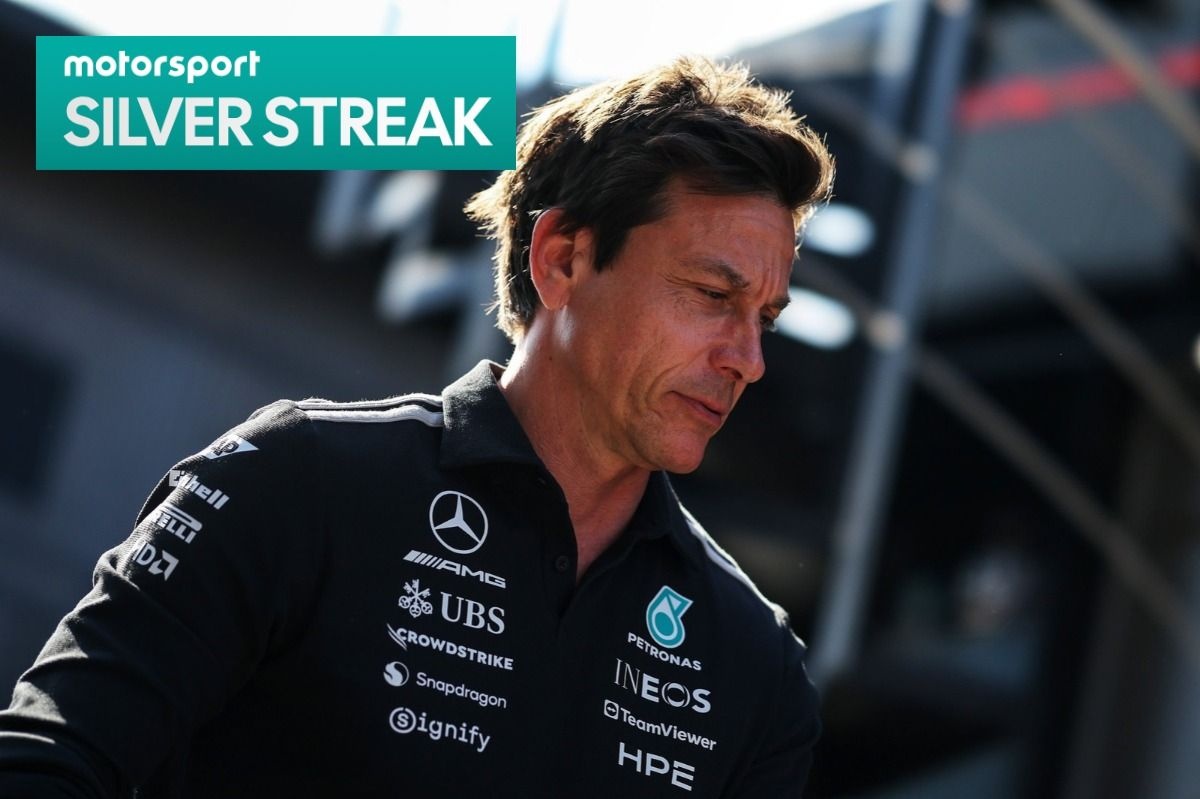

In the cutthroat world of Formula 1, merely being fast isn't enough; Mercedes team principal Toto Wolff has pulled back the curtain on the ruthless, multifaceted process of unearthing true generational talent, a system already vindicating his faith in prodigy Andrea Kimi Antonelli. As the spotlight intensifies on F1 talent scouting, Wolff's insights reveal the extraordinary demands placed on aspiring champions, far beyond just hitting the apex.
Mercedes' Secret Scouting Playbook: What Wolff Looks For
- Raw Car Control: The initial "eye test" for innate ability, especially in challenging conditions like wet karting.
- Off-Track Acumen: Technical feedback skills, engineering interaction, and crucial social competence with sponsors.
- The Genetic Edge: An almost supernatural "feel" for the car, exemplified by Lewis Hamilton's unique feedback.
- Why Prodigies Fail: Lack of intelligence or being "bad people" are critical blockers, even for the fastest kids.
The Hunt for the Next F1 Superstar
Running a billion-dollar Formula 1 operation means sifting through countless hopefuls. Toto Wolff, known for his keen eye, recently shared his unfiltered approach on the Cheeky Pint podcast, explaining how Mercedes identifies drivers with championship potential. It's a brutal reality check for anyone dreaming of an F1 career.
Beyond the Stopwatch: What Wolff Sees First
The first indicator of a future star isn't buried in complex data logs; it's a raw, undeniable instinct for car control. Wolff describes seeing young karters, even at 100 km/h in the rain, effortlessly sliding through corners. This natural comfort and aggressive mastery of the machine are the foundational ingredients he looks for. This raw talent is exactly what set Andrea Kimi Antonelli apart in his early days, propelling him toward potential 2026 World Championship contention.
The Unseen Crucible: Character & Communication
However, pure speed is only the entry ticket. Formula 1 demands far more than just being quickest on track. A driver's journey is heavily influenced by their ability to navigate the highly political and sponsor-driven environment.
Why Raw Speed Isn't Enough for F1 Glory
A junior driver might be blisteringly quick, but if they lack the technical savvy to articulate car setups to engineers, or worse, treat their team poorly, their career hits a wall. Wolff pulls no punches, stating that many incredibly talented kids "never went anywhere because they were just simply bad people or not intelligent enough." Building strong relationships with mechanics and sponsors is as crucial as shaving tenths off a lap time.
The Champion's Sixth Sense: A Genetic Edge
Even after passing the character test, there's a final, almost mystical quality that separates the good from the truly legendary. Wolff refers to it as a "genetic connection" to the machinery—an unteachable physical trait.
Decoding Hamilton's Unparalleled Car Feel
Lewis Hamilton, a driver Wolff knows intimately, perfectly illustrates this phenomenon. Hamilton once famously told engineers that his car "understeers from the front axle to where I sit." This feedback baffled the Mercedes technical department; mechanically, it made no sense. Yet, it was precisely what Hamilton's body felt. This unparalleled sensory input, allowing a driver to perceive the car's nuances in such an abstract yet accurate way, is, according to Wolff, a genetic gift that makes a champion "unbeatable."
So, aspiring F1 hopefuls: be genetically blessed, master karting in a downpour, possess the intellect to communicate complex technical feedback, and cultivate the social grace of a diplomat. Easy, right?