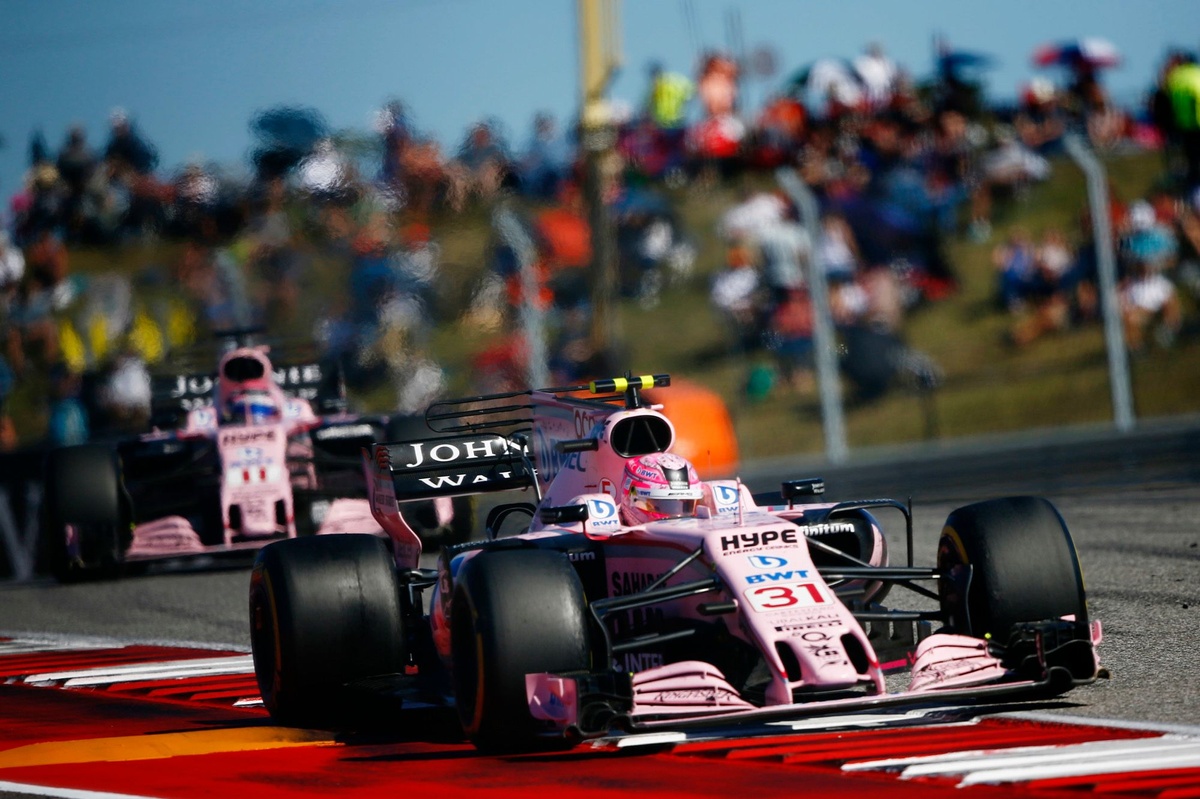

Formula 1 fans have become accustomed to seeing striking pink cars on the grid, but the story behind the iconic livery could have been very different. Former team boss Otmar Szafnauer has revealed that BWT’s journey into F1 sponsorship initially began with Mercedes — only for the world champions to turn down the opportunity.
Key Takeaways from the Pink Livery Saga
- BWT initially approached Mercedes about an F1 sponsorship deal before the team's board rejected the idea of becoming the “Pink Arrows.”
- BWT CEO Andreas Weissenbacher chose pink after noticing that rival water filtration companies predominantly used blue branding.
- Toto Wolff directed BWT to Otmar Szafnauer, helping the company find its way to Force India without taking a financial cut from the deal.
- Szafnauer took a major gamble on the sponsorship, painting the cars pink before receiving payment — a decision that ultimately launched F1's famous pink era.
How F1’s Iconic Pink Cars Almost Belonged to Mercedes
Szafnauer, who previously led the Silverstone-based Force India and later Racing Point during their memorable pink era, shared the behind-the-scenes story on the High Performance Racing podcast.
Why Did BWT Choose Pink for F1?
According to Szafnauer, BWT CEO Andreas Weissenbacher came up with the distinctive colour after attending a water technology trade show in Frankfurt. The reason was simple but clever.
Weissenbacher noticed that almost every competing water filtration company relied on blue branding. Choosing pink offered BWT a way to immediately stand apart from its rivals. With the branding direction decided, BWT initially approached Mercedes about becoming a sponsor.
Mercedes Rejected the ‘Pink Arrows’
At the time, Mercedes was the reigning world champion and had firmly established its famous Silver Arrows identity. The idea of transforming the team's silver cars into pink machines did not go down well with the board. As Szafnauer recalled, the Mercedes board effectively responded: “We’re the silver arrows, not the pink arrows.”
Mercedes ultimately rejected the proposal. However, that wasn't the end of BWT's F1 ambitions. Rather than allowing the potential sponsor to walk away from Formula 1, Mercedes team principal Toto Wolff reportedly pointed BWT in Szafnauer's direction.
Wolff's message was essentially that, instead of leaving F1 altogether, BWT should speak to Szafnauer — someone who would be willing to embrace the bold new identity.
Toto Wolff Sent BWT to Force India
Szafnauer revealed that Wolff did not receive a financial cut for making the introduction. However, the former team boss joked that he did buy the Mercedes chief a meal as a thank-you. The opportunity quickly became a major decision for Szafnauer and his team. Within just two weeks of discussions with Weissenbacher, Szafnauer had to decide whether to commit to the pink livery for the Australian Grand Prix in Melbourne.
The situation carried plenty of risk. Force India had not yet signed the sponsorship contract, and BWT had not made a payment. Szafnauer therefore had to gamble on whether the deal would actually come through before making such a dramatic change to the team's appearance.
Szafnauer Took a Gamble — and F1 Got Its Pink Cars
The decision was far from straightforward. Changing the team's livery meant replacing the Indian flag-inspired design with BWT's pink branding, leaving the team exposed if the sponsor ultimately failed to deliver financially.
Szafnauer knew that team owner Vijay Mallya would not be pleased if the team arrived in Melbourne with pink cars but no sponsorship money. Still, he trusted Weissenbacher and decided to take the risk. The gamble paid off.
BWT stayed true to its commitment and made the payment, paving the way for the now-famous pink cars that became one of the most recognisable liveries in modern F1. What began as a rejected sponsorship pitch to Mercedes ultimately found its home with Force India — creating an F1 visual identity that fans would remember for years.