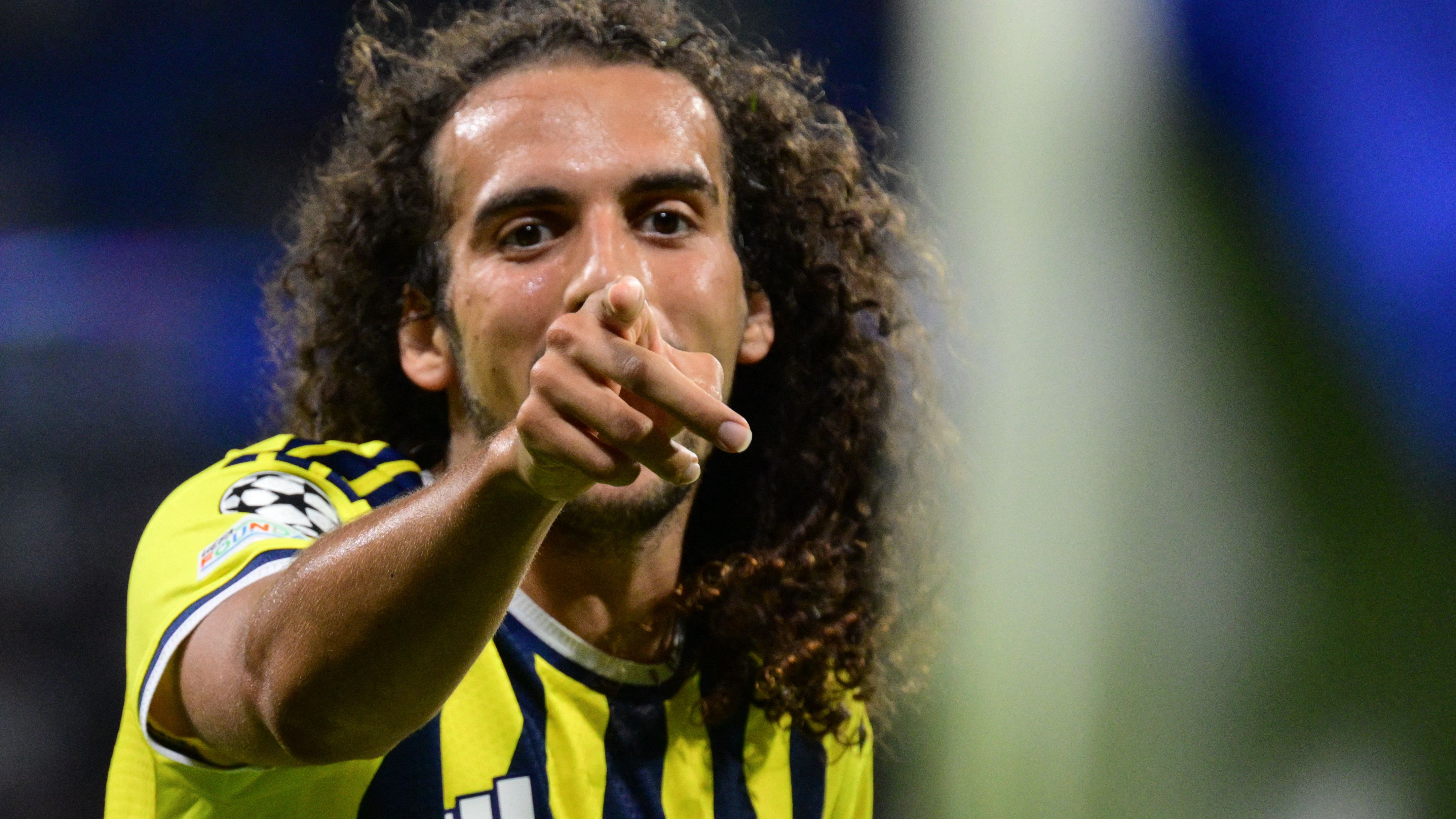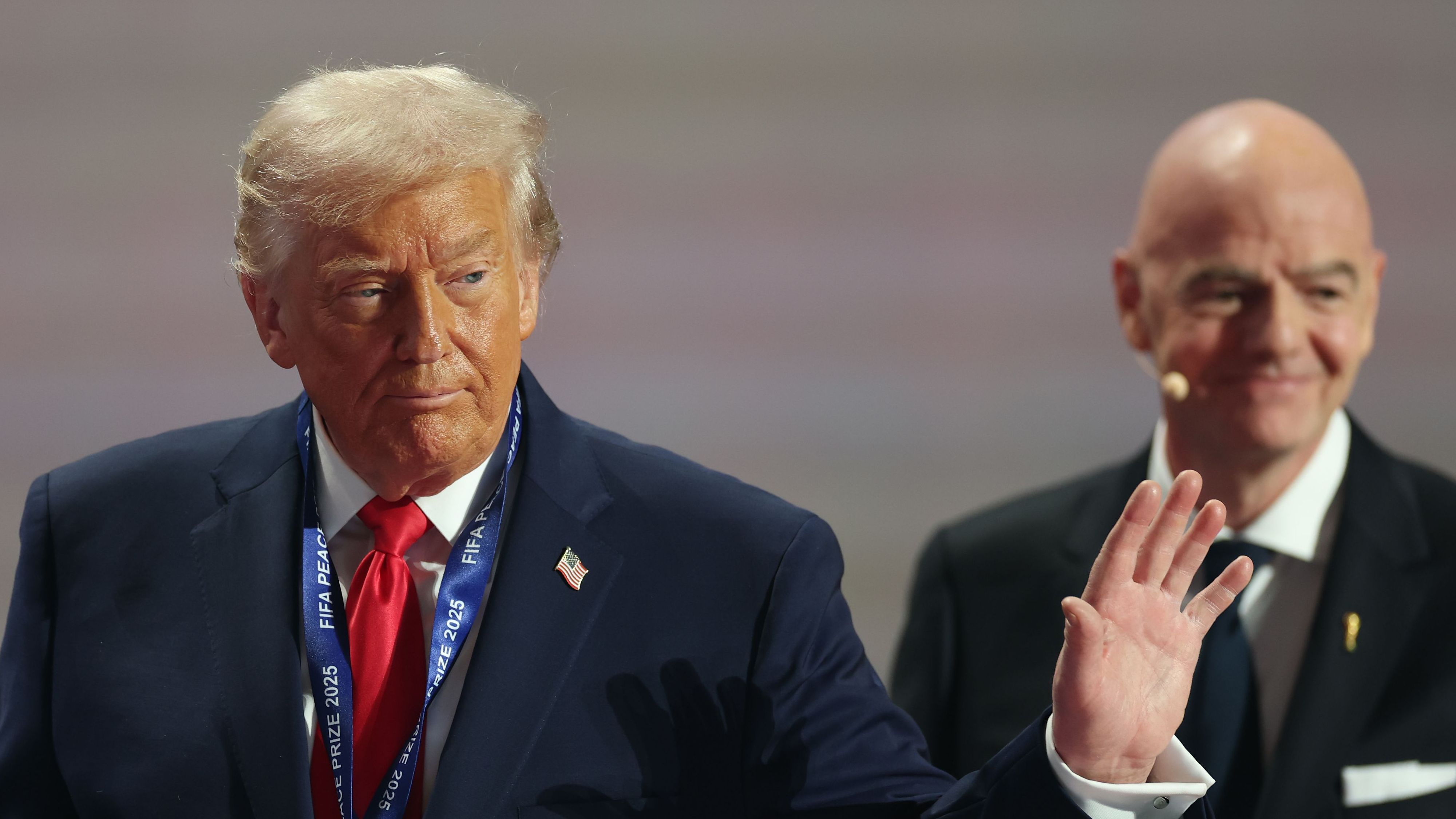

The beautiful game is colliding head-on with geopolitical reality, as Iran's participation in the upcoming 2026 FIFA World Cup in the United States hangs by a thread. A truly unprecedented situation sees a tournament host in active military conflict with a qualified participant, raising serious questions about the integrity and safety of the global spectacle.
- Geopolitical tensions jeopardize Iran's World Cup fixtures in the USA.
- Donald Trump expresses dismissive views on Iran's potential withdrawal.
- Visa restrictions and security concerns create logistical hurdles for Iranian delegation.
- FIFA remains publicly silent as Iran misses crucial planning workshops.
Global Tensions Spill Onto the Soccer Field
The escalating conflict following U.S. and Israeli airstrikes inside Iranian territory has thrown Iran's World Cup itinerary into chaos. Initially set to face New Zealand and Belgium in Los Angeles, then Egypt in Seattle, these early fixtures are now in serious jeopardy. The prospect of a politically charged knockout-stage clash between the U.S. and Iran in Dallas on July 3 adds another layer of tension, a match that would transcend sport.
Iranian football officials are openly questioning their ability to focus on the game. Mehdi Taj, President of the Iranian soccer federation, told Varzesh3 that the "mood for a sporting celebration has evaporated" after the recent attacks. The very spirit of competition is being overshadowed by grim realities back home.
Trump's Blunt Message on Iranian Participation
Former President Donald Trump wasted no time in offering a dismissive view on Iran's potential withdrawal. Speaking to POLITICO, Trump stated, "I really don't care [if Iran participates]." He further characterized Iran as "a very badly defeated country. They’re running on fumes." Such remarks from a prominent U.S. political figure underscore the deep chasm between the nations, potentially complicating any diplomatic resolution for the tournament.
Navigating the Maze: Visa Hurdles and Security Fears
Beyond the immediate military concerns, the Iranian delegation faces a bureaucratic nightmare just to enter the United States. A strict travel ban remains active, and while athletes are theoretically exempt, securing visas for crucial support staff and dignitaries has proven immensely challenging. This isn't new; several Iranian visa applications were denied for the World Cup draw in Washington, almost leading to a complete boycott before FIFA stepped in as a mediator.
The White House FIFA World Cup Task Force, led by Andrew Giuliani, has made it clear that security takes precedence over sporting considerations. Giuliani emphasized in January that the current political climate precludes a standard entry process for certain nations. "We want this to be a safe and secure World Cup," he stated, adding, "it’d be foolish, in understanding what Iran is going through right now, to expect that we would just open our borders."
FIFA's Silence Amidst Growing Uncertainty
FIFA has maintained its customary silence, preferring to separate global politics from the beautiful game. However, actions speak louder than words. The conspicuous absence of Iranian delegates from crucial Atlanta workshops—covering vital aspects like team medicine, match organization, and commercial matters—highlights a severe breakdown in communication and planning. While other federations finalized their logistics, the empty seats reserved for Iran served as a stark, unsettling reminder of the profound challenges ahead for the 2026 World Cup organizers.
Giuliani reiterated the administration's tough stance, connecting President Trump's actions against the Ayatollah to broader global security. He argued that these decisive measures "remove a major destabilizing threat and will help protect people around the world, including Americans and the millions planning to attend the 2026 World Cup in the United States." The message is clear: security remains paramount, even if it means altering the World Cup lineup.