
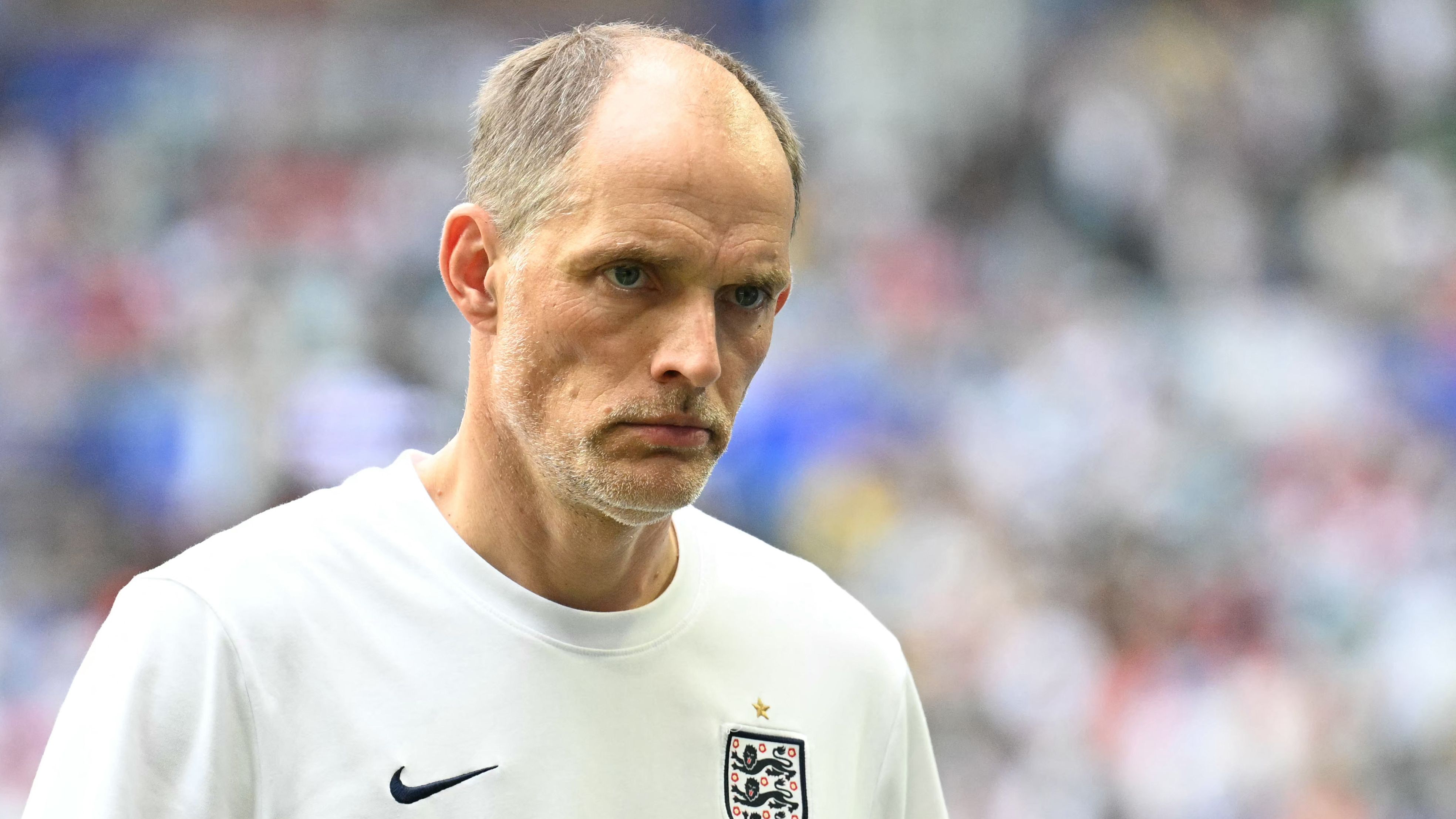

The roar of the crowd, the weight of expectation – Thomas Tuchel knows it all too well, and he's not holding back. England's bronze medal at the World Cup should have been a triumph, but the German tactician found himself defending his every decision against a relentless barrage of criticism.
Key Takeaways:
- Tuchel slammed critics for treating England's bronze as a group stage exit.
- He defended his tactical shifts against Argentina, taking responsibility but standing by his intent.
- The coach hinted at leading England into the upcoming Nations League campaign.
- Emphasized the critical need for improved game management under pressure.
Responding to the Noise: Tuchel's Fiery Stand
The semi-final loss to Argentina unleashed a torrent of negativity, making the Three Lions' impressive third-place finish feel almost forgotten. Tuchel didn't mince words, expressing disbelief at the intensity of the backlash. He highlighted the stark contrast between public perception and the team's historic achievement.
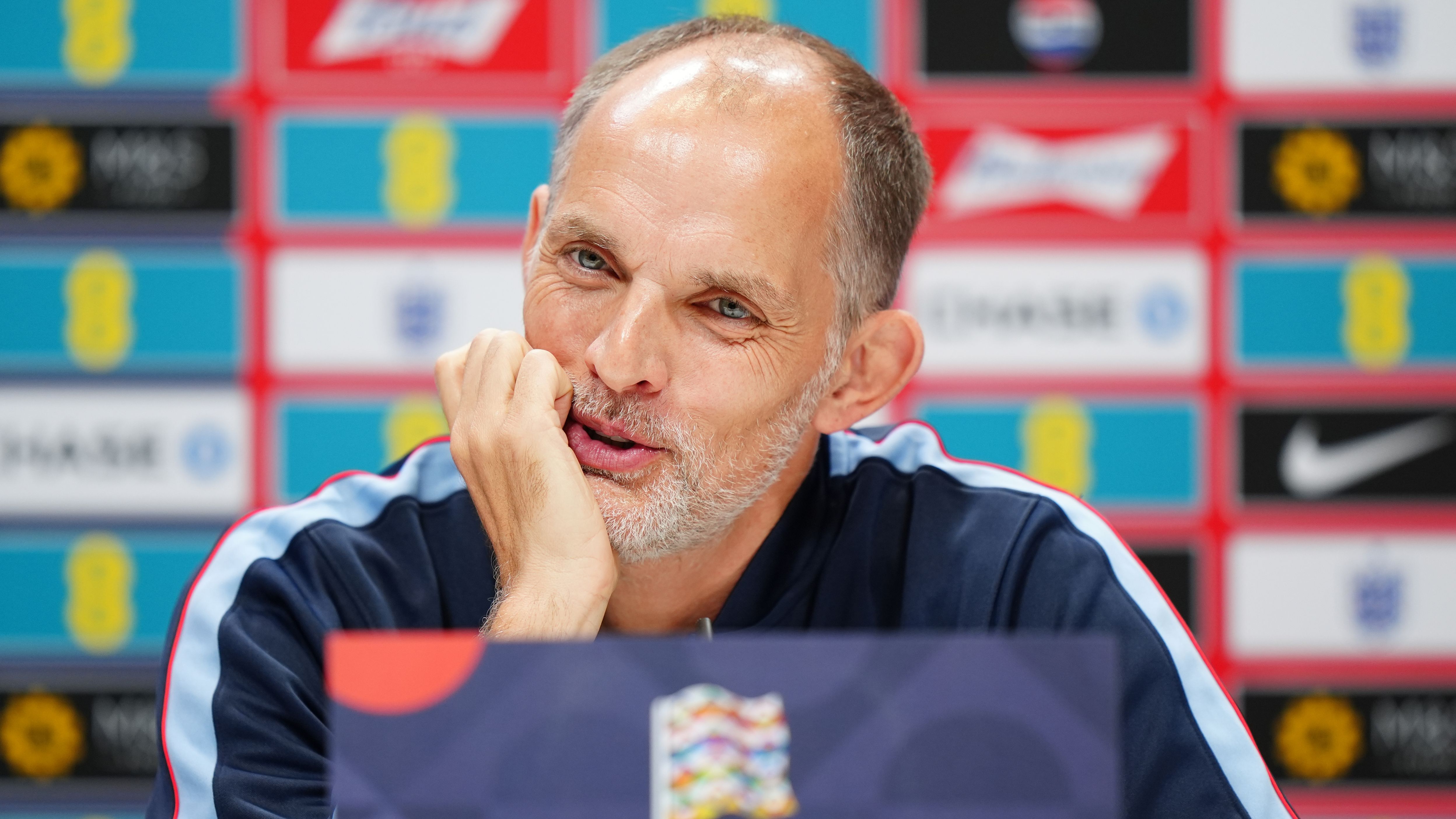
"The press conference yesterday felt as if we went out in group stage without a win, to be very honest," Tuchel stated. "Twenty-four hours later we had our biggest success in 60 years. I think the low and the drama about what happened against Argentina was too low, but that's part of it."
For Tuchel, the ultimate response is on the pitch. "Talking doesn't get you points. Talking doesn't get you wins. So you have to endure it. You have to hold it and be strong and keep believing. I’m glad that we showed that reaction. It’s very impressive." This reflects his belief in action over words.
The Tactical Tightrope: Argentina Fallout
The strategic decisions made during the 2-1 defeat to reigning champions Argentina became the focal point of frustration. Legends like Wayne Rooney and Gary Lineker publicly questioned Tuchel's defensive shifts, which they felt invited undue pressure.
However, not all shared this view. Former pros John Barnes and Andros Townsend came to the coach's defense, arguing that a pragmatic approach to protect a lead against Argentina's formidable attack was entirely logical.
Tuchel addressed the heart of the matter head-on, taking full responsibility for the outcome. "It did not have the effect that I wanted, so I have to live with this. It’s very painful for me because I did it in good faith. I did it with a clear plan and a clear idea behind it. It didn't work out so I take the blame and the responsibility." He maintains he didn't lose the players' trust, just that his plan didn't execute as intended.
Beyond Bronze: Charting England's Next Steps
Despite clinching bronze with a chaotic 6-4 win over France – a game where they nearly squandered a 4-0 half-time lead – the calls for managerial stability persist. Yet, Tuchel appears unfazed, already setting his sights on the future. He strongly suggested his intention to remain at the helm for the upcoming Nations League.
"In the end, we need to win the trust on a daily basis in international football. In seven, eight weeks we're back together, it's Nations League. We need to win the trust and build the trust. It's never a given, so this is normal in a high-level sport that you have to prove yourself, you have to prove a point every single time that you compete." This emphasizes the continuous challenge.
Mastering the Crunch: England's Path to Gold
To transform from a bronze medalist to a champion, Tuchel understands that England's ability to manage crucial moments in high-stakes games is paramount. He pointed to past defensive lapses, like the collapse against Croatia, as stark reminders of where the team needs significant improvement.
"I still stand by my words that we need to play better football under pressure," Tuchel affirmed. He specifically referenced their deep defensive block against Croatia after scoring, which led to a conceded goal. "So these are exact moments where we need to be better and understand how to be better. That’s our job for the next steps." The ambition is clear: tighten up when it matters most.