

The Costly Call That Shattered Dreams
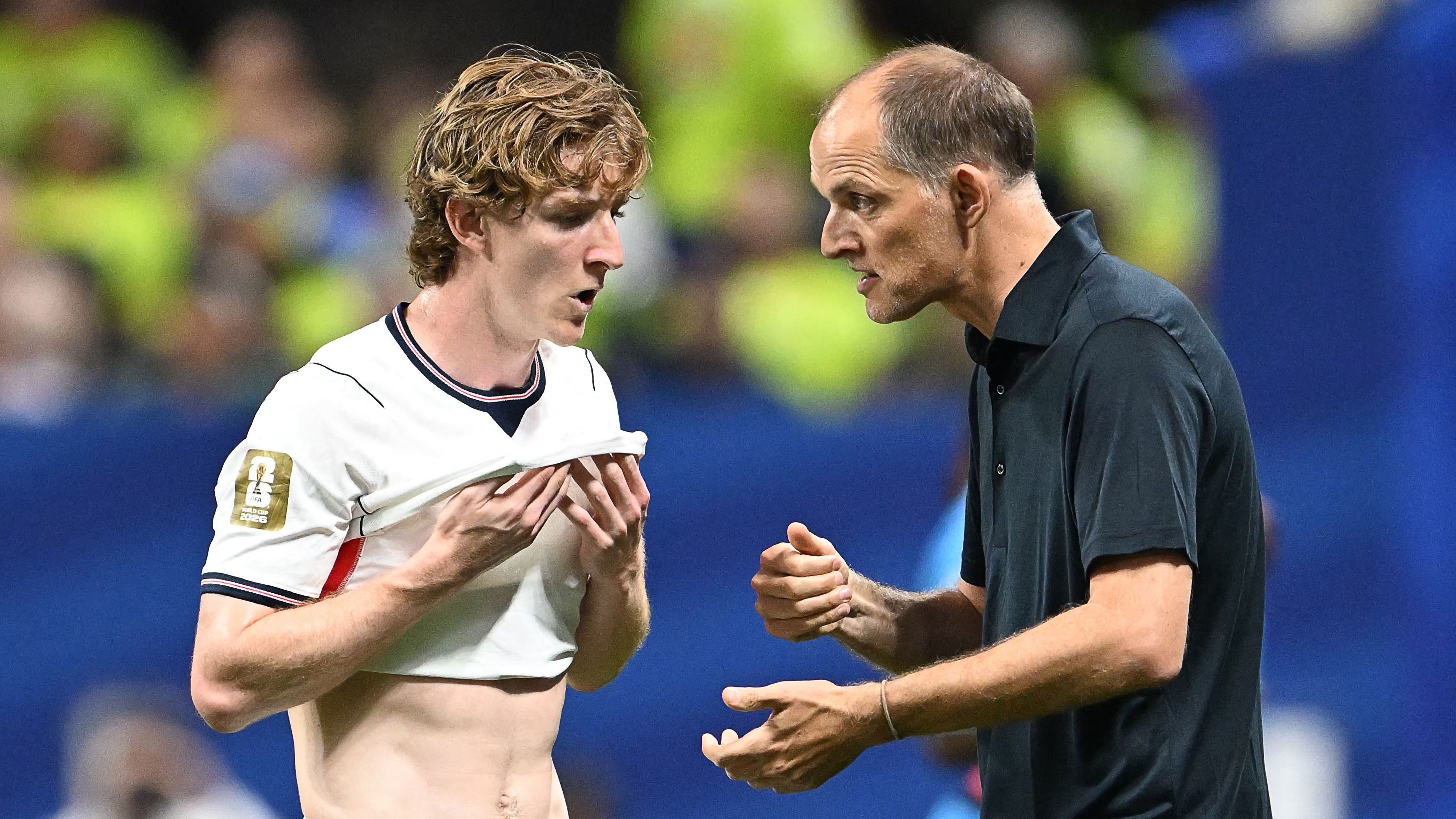
Just 20 minutes shy of a historic World Cup final, England held a precious lead over Argentina. Then, the narrative flipped. Manager Thomas Tuchel made a controversial call, replacing goalscorer Anthony Gordon with defender Ezri Konsa. This defensive pivot invited relentless pressure, ultimately allowing the South Americans to turn the tide and crush English hopes. The decision sparked immediate debate, and its echoes still resonate deeply within the squad.
Tuchel initially blamed a lack of possession, but now admits his conservative adjustments were premature. Shifting to a 5-4-1 formation effectively ceded control, leaving players and fans alike bewildered by the sudden lack of attacking ambition. It was a moment that defined their tournament.
Gordon's Shock: "Untouchable" to the Sidelines
Anthony Gordon, the man who had just put England ahead, has finally spoken out about his shock substitution. The 25-year-old revealed he was at the peak of his performance, feeling "on top of the world" after scoring, only to be pulled from the pitch. For a player who thrives on adrenaline, this was a momentum killer.
"Yeah, I was [surprised], being totally honest," the winger stated. "Only because I'd just scored... I get into an untouchable mode of confidence. It makes me feel on top of the world. Especially in that moment, on that stage, I felt really good." His words paint a clear picture of a player who felt his destiny was being rewritten without his input.
Tuchel's Confession: Pressure and Fatigue Led to the Blunder
In a candid admission, Thomas Tuchel shed light on the immense pressure that influenced his fateful tactical switch. He confessed that overwhelming exhaustion within the squad clouded his judgement, leading to a panicked defensive move. The sheer physical and mental toll of the tournament, with matches across diverse climates, weighed heavily on the team.
"We conceded a chance just before the water break. I thought we will not survive. This is death," Tuchel revealed. "I thought: 'OK, let’s change to a back five, a 5-4-1.' It was too early for that mindset. We were super tired." This insight provides context but doesn't diminish the impact of the decision.
Healing the Scar: Learning from Defeat
The emotional weight of that semi-final defeat remains palpable, yet England is attempting to use the experience constructively. A comprehensive debrief at St. George's Park allowed the squad to confront their lingering disappointment, turning a painful memory into a catalyst for growth. The team knows they must address the "elephant in the room."
"It was a massive disappointment because we felt like we were going to win," Gordon explained. "So it was important to just get that out the way and move forwards." He reflected on the stark contrast of emotions, feeling "never better" when he scored, and "never worse" 20 minutes later. "It leaves a scar," he admitted, "but that scar doesn't always have to be a negative one. You can be a better person for it."
On the Road to Redemption: Nations League Challenge
Now, England must channel their frustrations into a demanding autumn schedule. The Three Lions face a crucial UEFA Nations League clash against eventual World Champions Spain in September, followed by a vital encounter with the Czech Republic. These matches offer an immediate test of their resolve and tactical evolution under Tuchel.
Further fixtures against Croatia and another meeting with the Czech Republic in October provide Tuchel a critical window. He must refine his approach and demonstrate that his talented squad can consistently compete at the elite level without falling back into overly defensive tactics. The world will be watching to see if England has truly learned from their World Cup heartbreak.