

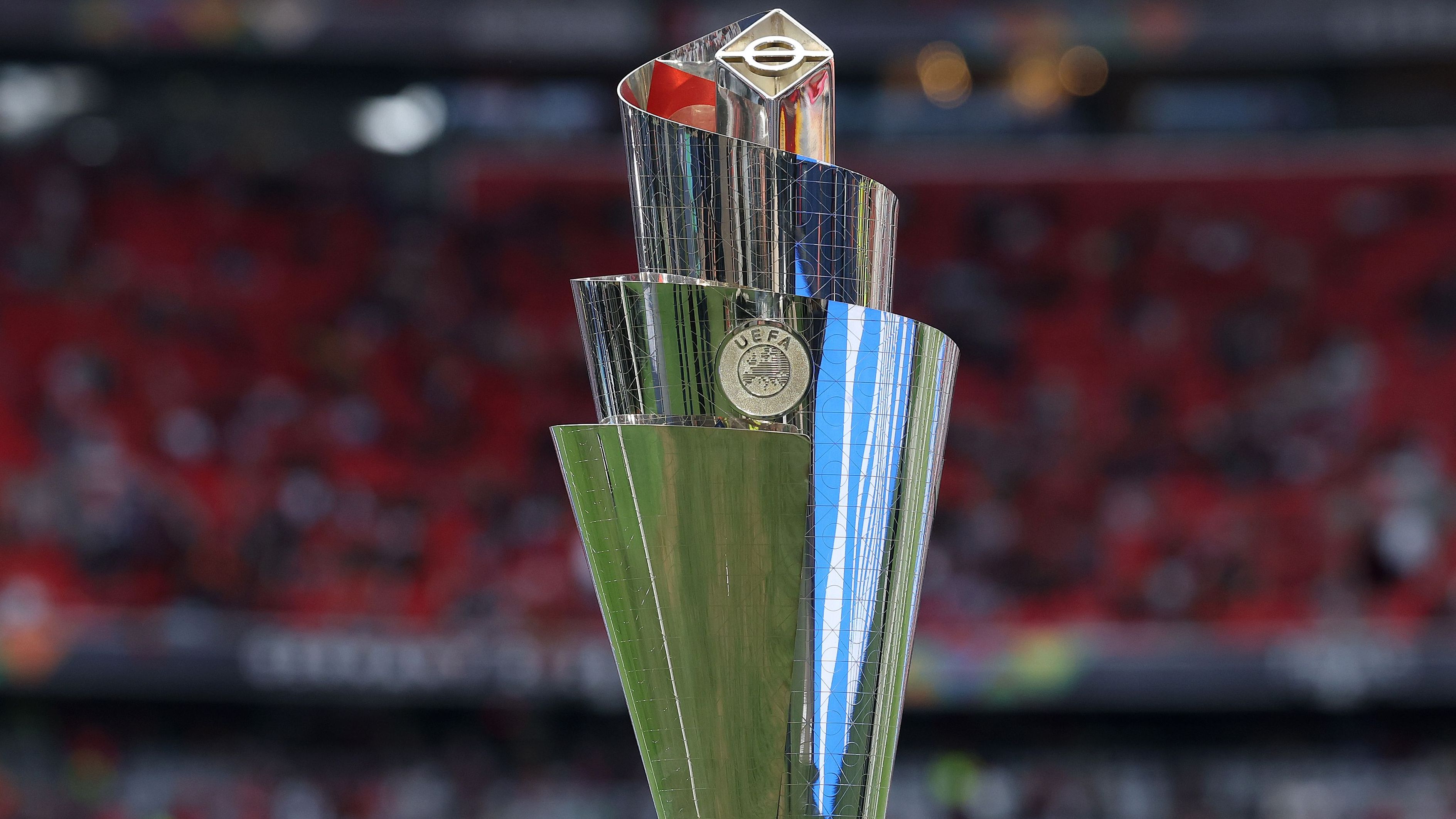

A Bold New Horizon for International Football
The landscape of international football is on the brink of its most seismic transformation in decades, as UEFA and Concacaf are deep in discussions to forge a revolutionary, combined Nations League.
Key Points:
- UEFA and Concacaf are actively planning to merge their respective Nations League competitions.
- The ambitious project targets an autumn 2028 launch, allowing for complex logistical preparations.
- This union promises elite, competitive matches for North American powerhouses like the United States and Mexico.
- The move also offers UEFA significant commercial inroads into the burgeoning North American football market.
Reports indicate a potential agreement between UEFA and Concacaf could see their flagship Nations League tournaments integrated, targeting an autumn 2028 kickoff. This unprecedented collaboration aims to elevate the quality of international competition and unlock new commercial opportunities across the globe.
Such a merger would represent one of the most significant structural overhauls in modern football, creating a truly interconnected global calendar for national teams. The sheer scale and competitive implications are immense, promising a new era of high-stakes matchups.
Political Currents Shaping the Future
While the primary drivers are sporting and commercial, these discussions unfold against a backdrop of ongoing political tensions within the global game. The strengthening alignment between UEFA and Concacaf follows their unified stance against FIFA President Gianni Infantino amidst controversies surrounding FIFA's management and past commercial proposals.
Why North America's Giants Demand Elite Competition
For Concacaf powerhouses, particularly the United States and Mexico, the allure of a combined Nations League is simple: consistently higher quality opposition. Both nations have long sought top-tier competitive fixtures, a challenge exacerbated by the current international calendar.
The Friendly Void
Prior to the establishment of the existing Nations League formats, the USMNT and Mexico frequently arranged high-profile friendlies against European giants during international windows. However, these dates are now largely occupied by confederation-specific Nations League fixtures, leaving a void for challenging inter-confederational matchups.
The current schedule for the United States, facing teams like Peru and Chile alongside regional rivals Mexico and Canada, highlights this dilemma. A unified league would dramatically increase the regularity of games against top-ranked European teams, providing invaluable experience and competitive fire.
Unlocking New Commercial Frontiers
The benefits aren't solely competitive. For UEFA, this partnership offers a strategic gateway into the highly lucrative North American football market. The region is experiencing an unprecedented surge in interest, especially with the upcoming 2026 World Cup being co-hosted by the United States, Canada, and Mexico.
Expanding UEFA's brand presence and competition into this booming market could lead to substantial revenue growth through broadcasting rights, sponsorships, and increased fan engagement across the Atlantic.
Navigating the Complexities: Format and Timeline
While the ambition is clear, the exact operational details are still under wraps. Discussions revolve around maintaining a tiered league structure, similar to the existing formats, but integrating promotion and relegation between confederations presents significant logistical hurdles, particularly concerning travel and scheduling.
The 2028 target date isn't arbitrary. The tight international calendar, with upcoming Concacaf Nations League campaigns already set, made an earlier integration impossible. This timeline provides the necessary window to meticulously plan and implement such a groundbreaking shift in global football governance and competition.