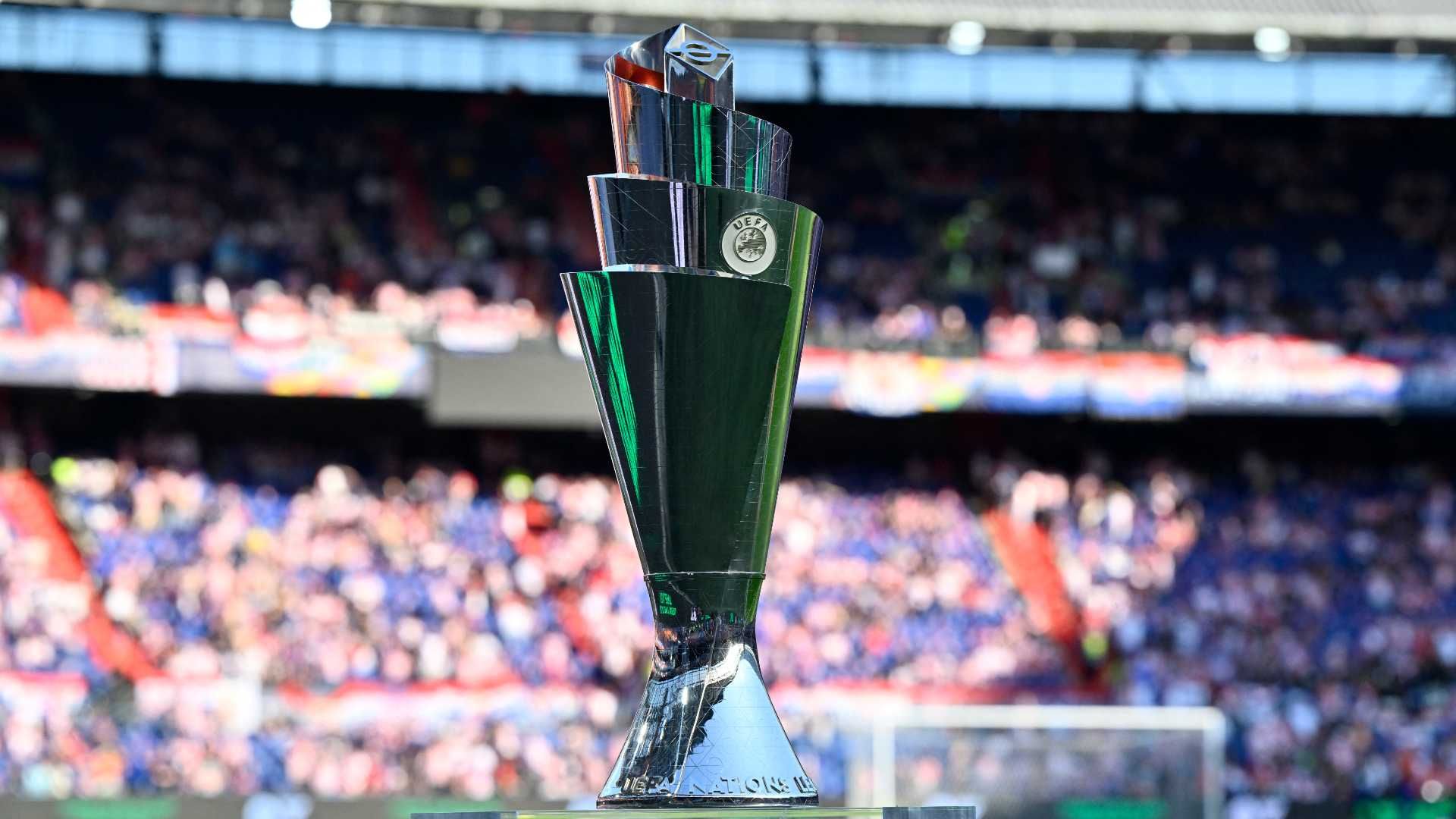

UEFA is not just tinkering; they're detonating a bombshell on international football, reshaping the landscape from 2028-29 with a radical new league system that promises unprecedented drama and competitive fire. This isn't just an update; it's a complete overhaul designed to inject fresh energy into every national team fixture.
Key Points:
- UEFA introduces a revolutionary "Swiss-style" league system for national team competitions.
- The Nations League and European Qualifiers will adopt a multi-division format from 2028.
- Traditional home-and-away group stages are replaced by varied fixtures against multiple opponents.
- Promotion/relegation play-offs and crucial knockout stages remain, ensuring high stakes.
The Dawn of a New Era: UEFA's Ambitious Vision
The current national team calendar, featuring the Nations League with its four-tier, small-group structure, is headed for the history books. After Euro 2028, a new three-league system will emerge, each boasting 18 teams. These divisions will be split into three groups of six, demanding six matches against five distinct opponents.
This innovative approach moves beyond repetitive double-headers. Nations will strategically face opponents from different seeding pots, playing either home or away. Only one two-legged tie against a team from their own pot will remain, ensuring a diverse and challenging schedule. This reform is a clear statement from UEFA: every match must matter.
Nations League Reimagined: A Dynamic Shift
Imagine the intensity: fewer "dead rubber" games and more high-stakes encounters. The shift aims to elevate the Nations League's status even further, pushing national teams to perform consistently against a broader range of opposition. It's about constant evolution and competitive pressure.
World Cup & Euro Qualifiers Get a Swiss Makeover
The seismic changes don't stop with the Nations League. Historically, European Qualifiers for major tournaments like the World Cup and European Championship have relied on predictable groups. From 2028-29, this changes dramatically.
UEFA is introducing a two-tier divisional structure for qualifiers. The elite 36 highest-ranked nations will compete in a top league, divided into three groups of 12 teams. Each country will navigate six intense matches against six different opponents, drawing two from each of the three seeding pots. This mirrors the dynamic, expanded formats seen in modern club competitions and promises a relentless test for Europe's best.
The remaining 18 or 19 nations will form a second league, ensuring every member association remains actively engaged in the qualification journey. This sweeping reform is a massive departure, promising to eliminate the often-monotonous group stages of the past.
Preserving the Drama: Play-Offs and Pathways
While the primary group phases undergo a revolution, UEFA understands the importance of traditional knockout drama. The highly competitive promotion and relegation play-offs are staying. This ensures a vital, thrilling bridge between the new leagues, keeping aspirations alive for every team.
Crucially, the top-ranked teams in the elite league will secure direct qualification to the final tournaments. However, the remaining coveted spots will be fiercely contested through a high-stakes play-off system. This inclusive pathway is a win for all, guaranteeing that even lower-ranked sides retain a mathematical chance of reaching the biggest international stages, fueling dreams across the continent.
What This Means for European Football: The Road Ahead
The clock is ticking towards the 2028-29 implementation. National associations across Europe now face a significant period of preparation. UEFA will soon finalize intricate scheduling details and crucial broadcast packages.
Football fans and players alike will be keenly observing how this ambitious, packed schedule impacts the delicate balance between domestic and international football. One thing is certain: European national team football is about to enter an electrifying new chapter.