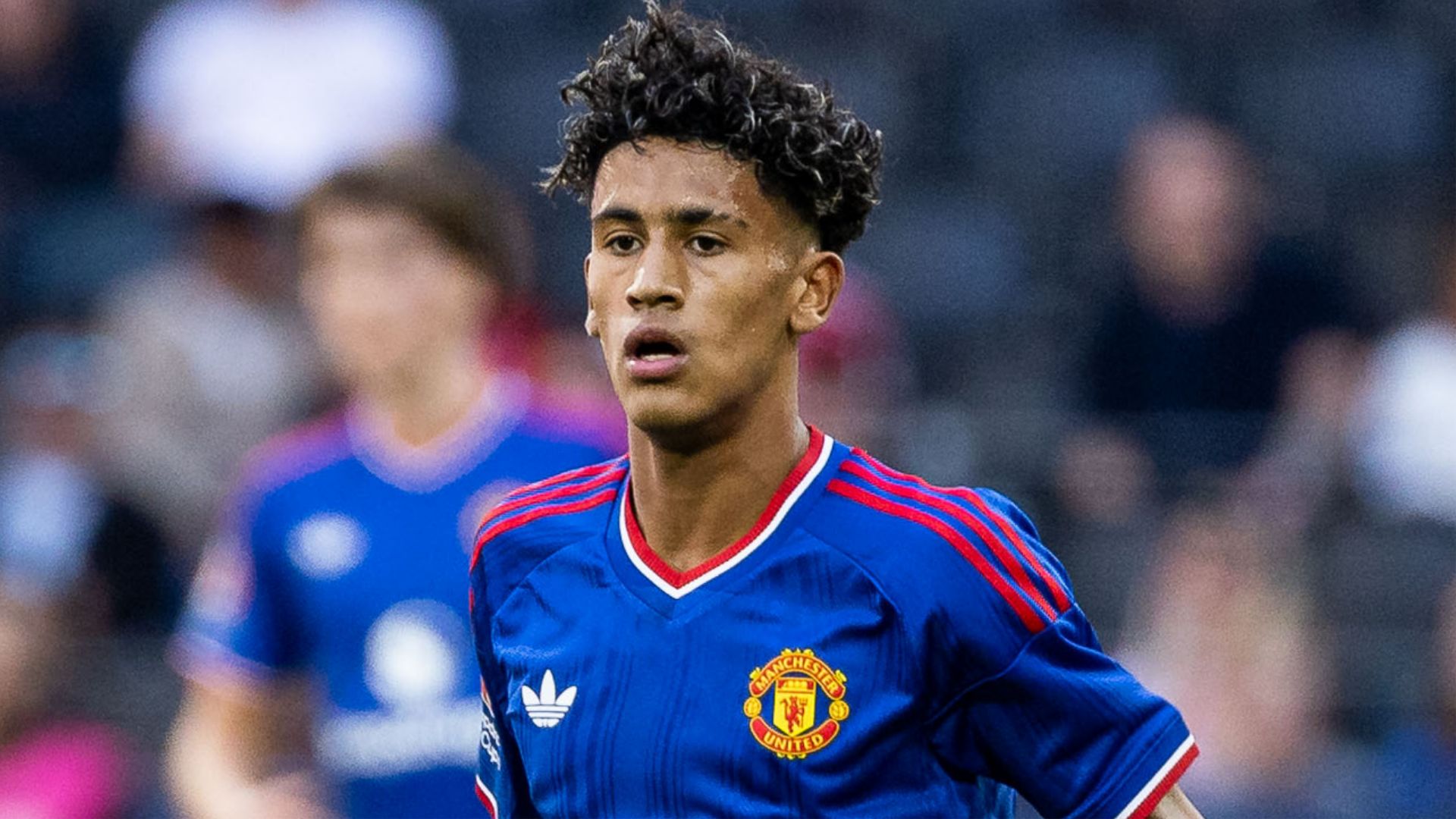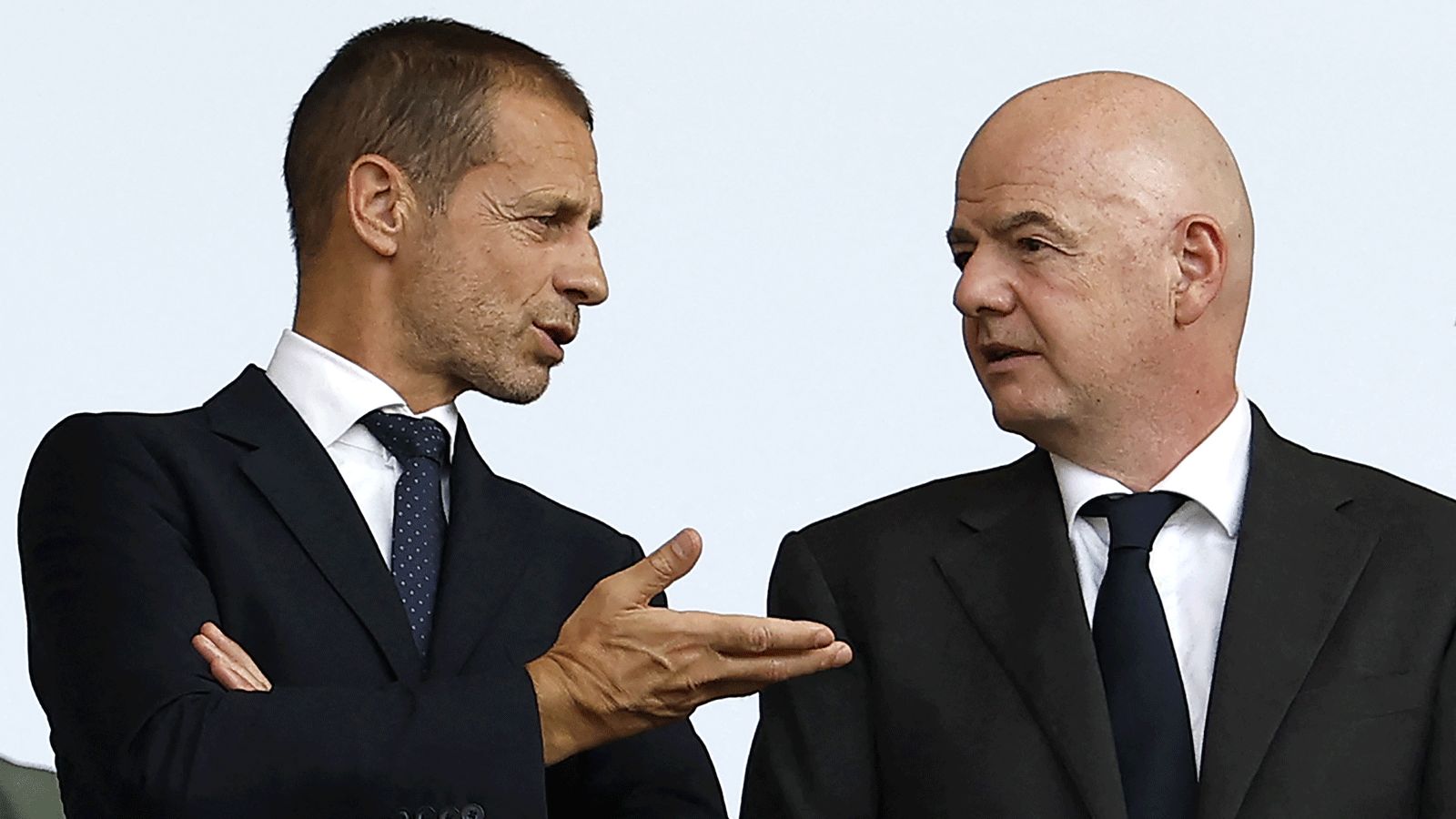

The football world is reeling from an unprecedented showdown! UEFA has declared war on FIFA's commercial ambitions, launching a full-scale boycott that threatens to derail global tournaments and redefine the sport's future. It's a seismic shift, with Europe's governing body drawing a definitive line against the "for-sale" vision of FIFA President Gianni Infantino.
Key Points: The Standoff Explained
- FIFA President Gianni Infantino unilaterally proposed selling 20% of a new commercial entity, FIFA Forward Enterprises, to private investors.
- UEFA, representing 55 European nations, has announced a comprehensive boycott of all FIFA competitions, including future World Cups, stating football's future cannot be dictated by financial returns.
- Other major confederations, notably CONCACAF and the AFC, have also voiced strong concerns over FIFA's transparency and governance.
- This unprecedented standoff puts the future of global tournaments like the 2027 Women's World Cup and the Men's World Cup in serious jeopardy.
Infantino's Bold Gamble Ignites Global Fury
In a move that sent shockwaves across the football landscape, FIFA President Gianni Infantino announced plans to create FIFA Forward Enterprises, a new company designed to manage the sport's commercial rights. Crucially, up to 20 percent of this entity would be open for purchase by private investors. The stunning declaration was made without prior consultation with FIFA's six continental confederations, sparking immediate outrage and accusations of a power grab.
The decision has been widely criticized for its lack of transparency and for potentially prioritizing profit over the fundamental values of the sport. Many see it as a dangerous precedent, mortgaging the future of football for short-term financial gain.
Europe's Unwavering Stand: No World Cup for Sale
The response from UEFA was swift and decisive. Following an emergency meeting, Europe's governing body, representing 55 member associations, unanimously agreed to boycott all FIFA competitions. Their powerful statement left no room for ambiguity: "Football's future cannot be dictated by the expectations of those whose first duty is to maximise financial return."
This means European teams will not participate in any FIFA tournament as long as these proposals remain active. The implications are staggering, immediately threatening the 2027 Women's World Cup, where European nations are dominant contenders, and casting a long shadow over future Men's World Cups and Club World Cups. UEFA's message is clear: the FIFA World Cup belongs to football, not to private equity.
A Deep-Seated Rift Between Continents
This latest crisis merely exacerbates an already strained relationship between UEFA and FIFA. Tensions have simmered for years, marked by previous boycotts, public disagreements, and a palpable mistrust. UEFA President Aleksander Ceferin notably skipped the last World Cup final in protest, and UEFA has openly challenged other FIFA decisions, like the handling of Folarin Balogun's red card suspension, which they deemed "unprecedented, incomprehensible and unjustifiable."
Speculation is also mounting about potential challengers to Infantino in FIFA's upcoming elections. While he currently runs unopposed, figures like PSG President Nasser Al-Khelaifi have been floated as alternatives, underscoring the deep divisions within football's power structure.
A Path to Resolution or Further Conflict?
Despite the hardline stance, some analysts believe UEFA's boycott could, paradoxically, open the door for genuine negotiation. Former UN Communications Director Herve Verhoosel, who worked closely with FIFA, suggests this isn't merely a threat but an opportunity to "restart the conversation." He advocates for beginning "with a blank sheet of paper" to truly determine "what is truly in the long-term interest of football."
Without European football's participation, any major FIFA competition would lose significant prestige and commercial viability, giving UEFA considerable leverage.
Global Solidarity Against FIFA's Solo Act
UEFA is not alone in its condemnation. The backlash against Infantino's unilateral decision is rapidly gaining global momentum. CONCACAF, the governing body for North, Central America, and Caribbean football, held its own emergency meeting, criticizing FIFA's lack of "good governance."
The Asian Football Confederation (AFC) also voiced "deep concern" over FIFA's actions, stating they "undermine the very foundations of continental football, which are based on solidarity, cooperation and transparency." The message is clear: the world of football demands a collaborative approach, not top-down directives that bypass established governance structures.