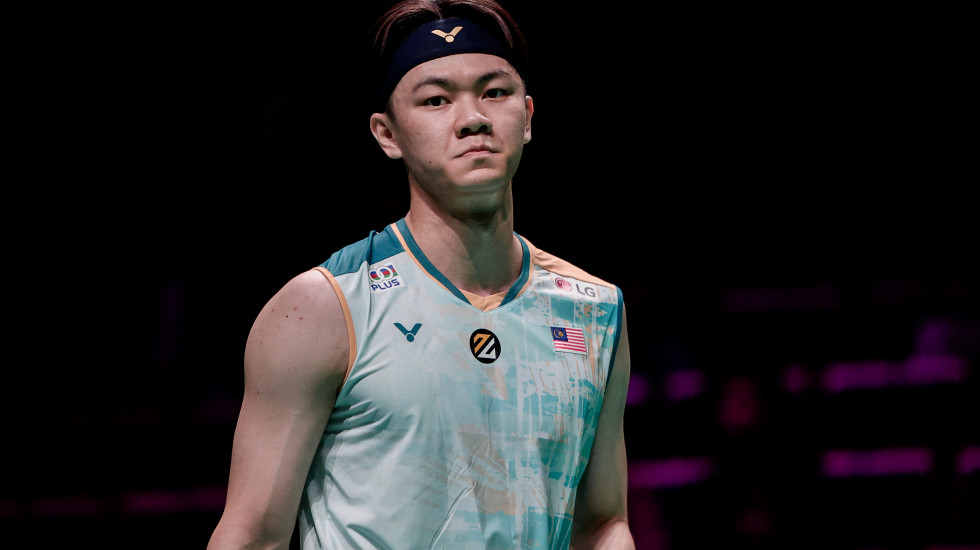



The dust has settled on Malaysia's Thomas Cup campaign, but one undeniable star shone through the gloom: Lee Zii Jia. Despite the team's disheartening 3-0 quarter-final exit against China, the independent shuttler delivered a perfect record, reigniting crucial debates about his future. His stunning performance has led badminton legend Rashid Sidek to lay out a compelling blueprint for Zii Jia's path forward.
Key Takeaways from Zii Jia's Thomas Cup Run
- Lee Zii Jia remained unbeaten across three matches at the Thomas Cup, showcasing elite form after a period of injury.
- Badminton icon Rashid Sidek strongly advocates for Zii Jia to maintain his independent status.
- Sidek proposes that Zii Jia should engage in regular, weekly sparring sessions with the national squad at the Academy Badminton Malaysia (ABM).
- This strategy would allow BAM coaches, like Kenneth Jonassen, to prioritize the development of emerging national talents.
Zii Jia's Resurgent Form: A Thomas Cup Revelation
Lee Zii Jia's journey to the Thomas Cup was anything but smooth. Plagued by injuries since December 2024, his participation followed just three weeks of intensive training alongside the Badminton Association of Malaysia (BAM) squad. This collaboration, initiated by BAM performance committee committee chairman Datuk Seri Lee Chong Wei, proved instrumental.
Against the Odds: An Independent Star Shines
The world No. 82 not only participated but dominated, securing three wins in three matches. A particularly significant victory came against Japan's Koki Watanabe, marking Zii Jia's first top-20 win since December 2024. His resilience and skill silenced doubters and underscored his innate talent, even with limited preparation.
Rashid Sidek's Blueprint: Independence with Strategic Collaboration
Former world No. 1 and Olympic bronze medallist Rashid Sidek has weighed in with clear advice: Lee Zii Jia should remain independent. Sidek argues that a full return to the national setup would be a "knee-jerk reaction" and not the optimal path for the prodigious talent.
Why a Full Return Isn't the Answer
Rashid Sidek firmly believes that Zii Jia's unique needs are best met through a tailor-made individual program, guided by his current coach, Liew Daren. Instead of daily training with BAM, Sidek suggests one or two weekly match-play sessions at ABM. This structured collaboration would allow Zii Jia to maintain his sharp competitive edge without fully reintegrating.
Sidek highlights that continuous full-time training at BAM primarily benefits younger, developing players. Zii Jia, already a world-class talent, requires a more focused and personalized regimen to reclaim his peak form. His recent Thomas Cup success, despite injury and a brief training stint, is powerful evidence of his inherent quality.
Empowering the Next Generation: BAM's Core Mission
Crucially, Rashid Sidek emphasizes that BAM's national singles coaching director Kenneth Jonassen and men's singles coach Tey Seu Bock have a more pressing task: revitalizing the broader national squad. Their focus should be on nurturing talents like world No. 25 Leong Jun Hao and world No. 44 Justin Hoh.
Bringing Zii Jia back into the fold full-time could inadvertently shift the entire focus onto him, potentially hindering the development of other promising players. By maintaining a collaborative yet independent relationship, both Zii Jia and the national team can thrive, ensuring the longevity and depth of Malaysian badminton.