

It was a moment that sent shockwaves through the global football community, and now, U.S. Soccer CEO JT Batson is unapologetically standing by the actions of Donald Trump in the controversial lifting of Folarin Balogun's suspension. The USMNT boss declared that the President "is able to do what the President wants to do," effectively defending the unprecedented White House intervention that preceded the World Cup clash against Belgium. This saga has dominated headlines, raising questions about sports governance and national pride.
- USMNT CEO JT Batson defended Donald Trump's intervention in getting Folarin Balogun's red card lifted, stating the President "is able to do what the President wants to do."
- Balogun admitted the White House's involvement created "nerves" and "outside noise" within the squad, impacting pre-match focus.
- U.S. Soccer is focused on long-term growth, aiming to overhaul youth development and become an elite soccer nation like Argentina or Spain.
- The future of coach Mauricio Pochettino remains undecided, with ongoing discussions expected after the World Cup.
Presidential Power Play: Batson Backs White House Call
The decision by FIFA to overturn Folarin Balogun's one-match suspension ahead of the USMNT's crucial match against Belgium sparked a firestorm of criticism. Reports confirmed that Donald Trump and other government officials lobbied FIFA President Gianni Infantino, culminating in a direct phone call from the Oval Office. This intervention was met with particular anger from the Belgian camp and global pundits alike.
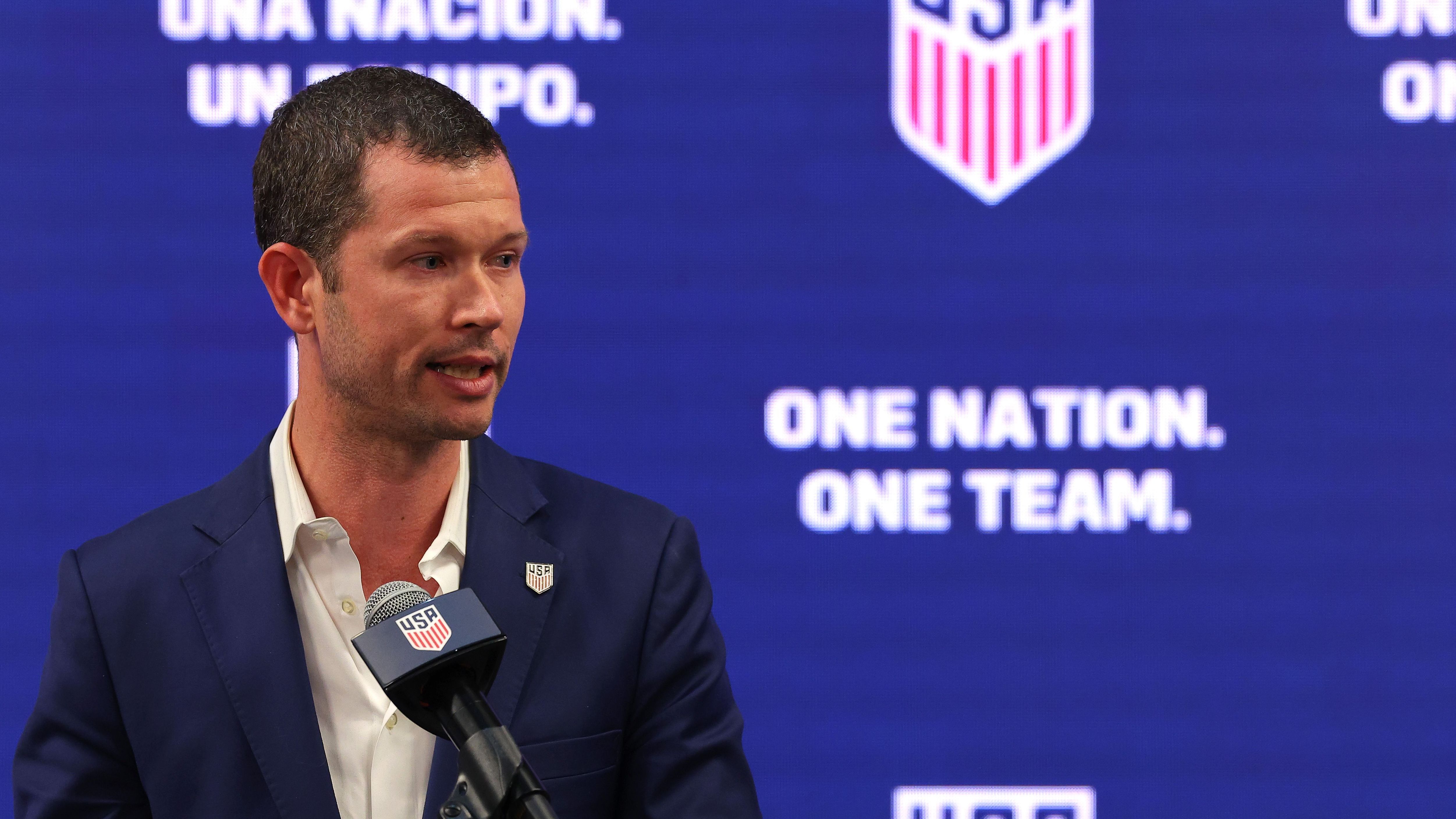
However, speaking in Atlanta, Batson sidestepped any notion of regret. He expressed gratitude for the widespread support, framing the incident as a positive sign of soccer's burgeoning influence in the U.S. "The President is the President of the United States," Batson asserted, downplaying the controversy and instead focusing on the "outpouring of sort of support" as evidence of a maturing soccer culture.
Balogun's Burden: Navigating the Controversy
While the federation head painted a picture of growth, the player at the center of the storm, Folarin Balogun, offered a different perspective. The star striker revealed to CBS that while he was initially "happy to be back," the political maneuver created an uncomfortable atmosphere within the squad. "I could almost see within my teammates a bit of nerves," Balogun admitted, highlighting the unprecedented nature of the situation.
He confessed that the "lot of outside noise" made focusing on the game incredibly difficult, suggesting the team struggled to filter out the external drama. Despite the USMNT's 4-1 loss to Belgium, the lasting impact of the White House's involvement on team morale and focus remains a critical talking point.
Beyond the Controversy: Charting U.S. Soccer's Elite Path
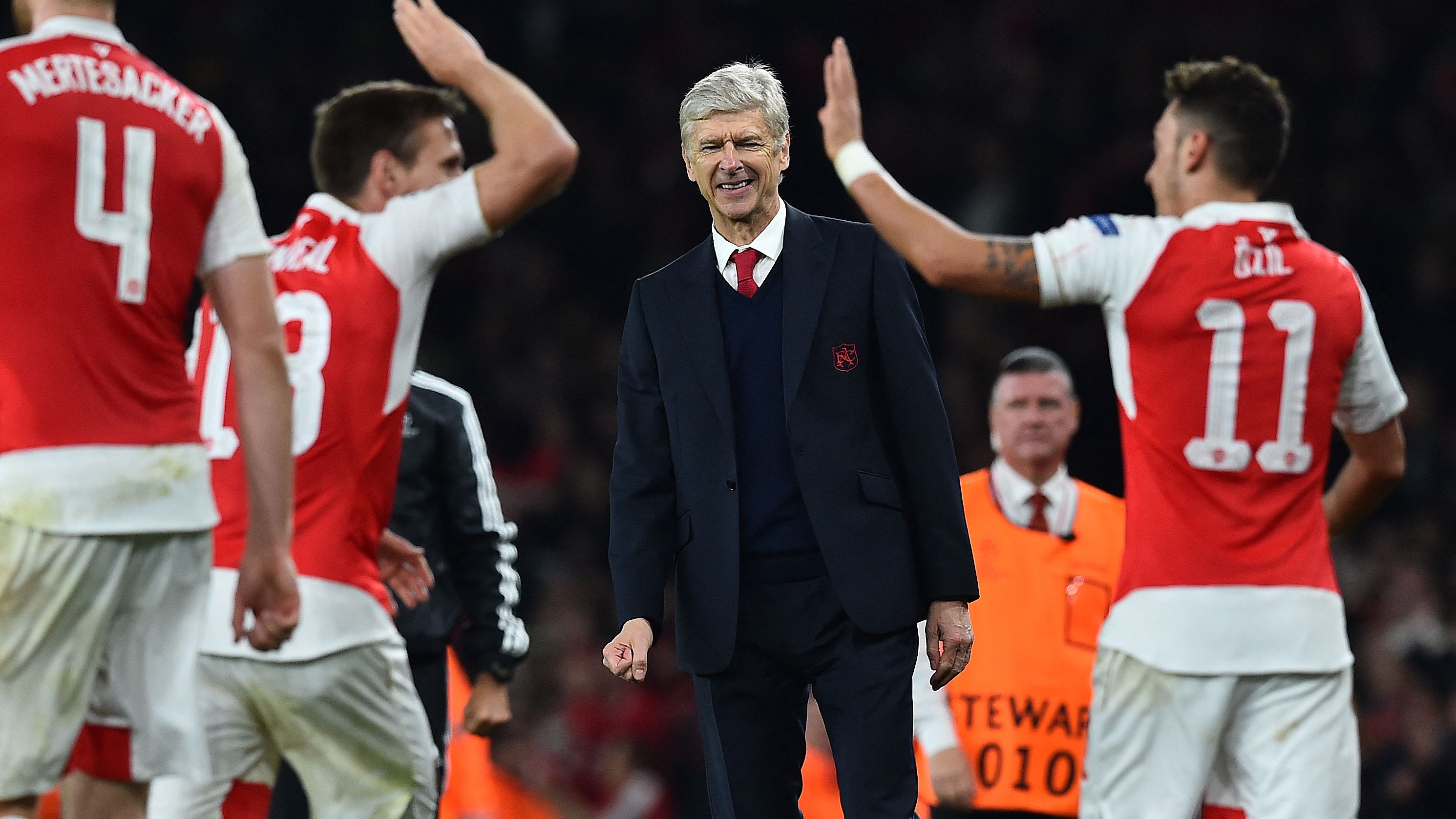
Looking past the immediate controversy, Batson and U.S. Soccer are firmly focused on the grander vision: establishing the United States as a global football powerhouse. Alongside FIFA Chief of Global Football Development Arsène Wenger, Batson outlined ambitious plans, starting with a significant overhaul of the youth development system. The goal is clear: to cultivate talent and build a sustainable pathway to elite status.
Batson emphasized that the recent World Cup was merely a "step" on this journey, not the final destination. The federation aims for the USMNT to genuinely compete for World Cup glory, mirroring the success of the women's team. This includes improving everything from talent identification to coaching education, with the ultimate ambition of becoming a nation like Argentina or Spain – consistently challenging for the sport's highest honors.
Pochettino's Future: A Tactical Pause
A key component of this ambitious future is the leadership of the senior men's team. The fate of head coach Mauricio Pochettino remains a hot topic, with Batson confirming that the "period of reflection" after the World Cup is still ongoing. Both Pochettino and U.S. Soccer agreed to this pause before making a decision about his long-term future.
Despite the uncertainty, Batson indicated that discussions are "active" regarding long-term planning, including the U-23 role. This suggests the federation is diligently working behind the scenes to ensure stability and progress, regardless of who ultimately takes the helm for the next cycle.
A New Era Unfolding: American Soccer's Rising Trajectory
For U.S. Soccer, this World Cup marks more than just a tournament; it signifies a pivotal moment in the sport's American evolution. Batson hailed the event as "incredibly successful," asserting it has "fundamentally changed the trajectory of the sport in the United States." He drew parallels to the formative years of 1994-1999, which ushered in a new era for soccer stateside.
With major tournaments like the LA 2028 Olympics and the Women's World Cup in 2031 on the horizon, Batson envisions a period of unprecedented growth. The objective is to solidify the U.S. as "one of the world's great soccer countries," a bold statement that reflects the federation's unwavering belief in the sport's potential. The World Cup concludes this Sunday with Argentina facing Spain, and the USMNT will reconvene in September, ready to tackle the next chapter of their ambitious journey.