

North American Showdown: Who's Leading the Charge?
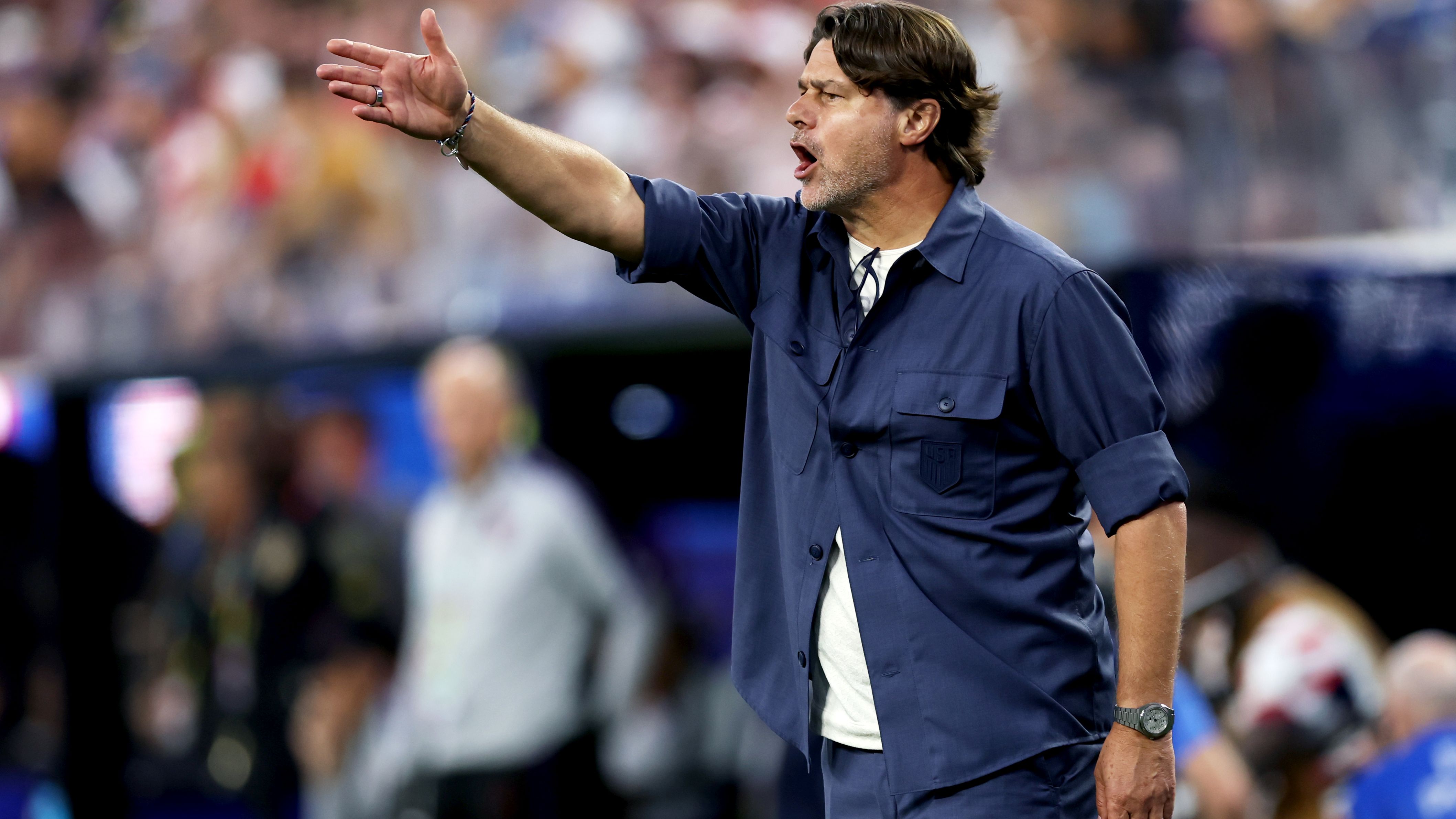
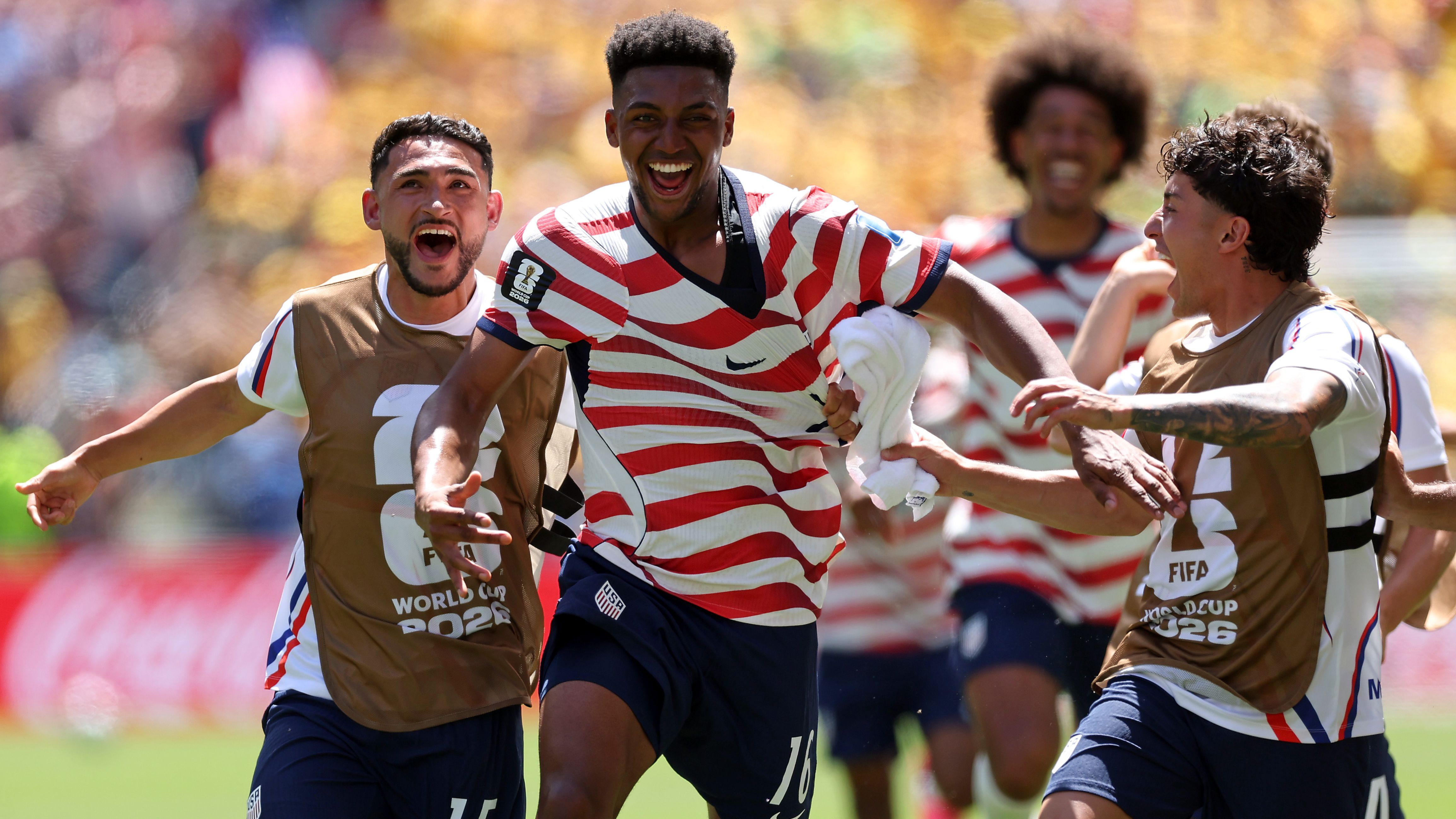
As the group stages conclude, the picture becomes clearer, though not without its complexities. The USMNT, under Mauricio Pochettino, has perhaps shown the highest ceiling. Their ability to dismantle opponents with intense, direct football has been on full display, earning praise for their aggressive approach. However, questions persist about their resilience when their primary system is challenged or when key players are rested, as evidenced by a 3-2 loss to a strong Turkey side with heavy rotation.
Mexico, meanwhile, has been a model of consistency, navigating their group undefeated. They've blended seasoned veterans with exciting young talents like Gilberto Mora, showcasing a sturdy defense. Yet, the glaring issue for El Tri is their attacking output. Despite solid build-up, finding the back of the net consistently against top-tier opposition remains a significant hurdle, which could prove costly in the knockout rounds.
Canada finds itself in the most challenging position. Injuries to pivotal players such as Alphonso Davies, Moises Bombito, and Ismael Kone have severely hampered their squad. While coach Jesse Marsch deserves credit for rallying his team, their performances have revealed vulnerabilities on both ends of the pitch. Their offensive struggles, particularly with neither Jonathan David nor Cyle Larin truly seizing the striker role, highlight a team struggling for rhythm and game-changing moments.
Individual Brilliance and Emerging Concerns
Individual performances can often define a tournament, and the host nations have seen their share of standouts and those struggling to hit their stride. For Mexico, Julián Quiñones has emerged as a wildcard, providing a dangerous spark in an otherwise conservative attack. His unpredictable flair has been crucial for El Tri.
In the USMNT camp, the attacking prowess of Folarin Balogun has been electrifying, marking him as a player capable of winning games single-handedly. Defensively, Chris Richards has anchored the backline with authority. However, not all is rosy. Tim Weah, a standout at the last World Cup, has struggled for form and consistency, even seeing a 'Did Not Play' against Australia. His recent performances have raised eyebrows, suggesting a potential dip in impact for the USMNT.
The most significant individual concern across all three nations remains Alphonso Davies. Canada's talisman simply hasn't been at full strength due to injuries, and his absence of game-changing ability is deeply felt. A fully fit Davies could transform Canada's prospects, but that reality seems increasingly distant.
Chasing World Cup Glory: How Far Can They Go?
While the dream of winning the World Cup on home soil is intoxicating, reality dictates a select few are true contenders. The consensus leans heavily towards the USMNT having the clearest path to a deep run. Their intense attack and potential for explosive performances could see them through a couple of knockout rounds, with some even eyeing a possible semifinal berth, depending on favorable matchups. The home crowd's energy could indeed be the elusive '12th man' needed to push them further than ever before.
Mexico, despite their consistency, faces a tougher road. While the legendary Estadio Azteca offers a formidable home-field advantage for a round or two, their attacking limitations are likely to be exposed against elite European or South American opposition. Tough fixtures against teams like Ecuador or potentially England could quickly halt their progress.
For Canada, without a fully fit Alphonso Davies, the journey beyond the group stage looks incredibly challenging. Reaching the knockouts is an achievement, but progressing much further seems a bridge too far given their current struggles.
Can any of them actually win the World Cup? Most experts say no. While the USMNT has a theoretical "path to the semifinals" that could make history, catching a contender on an off day and leveraging home advantage would be a monumental task. Stranger things have happened in football, but lifting the trophy remains a monumental long shot for any of the North American hosts.
Pochettino's Predicament: Contract Crossroads for the USMNT Coach
The future of USMNT head coach Mauricio Pochettino is perhaps the most talked-about topic. While his tactical Plan A has been highly effective in blowing away weaker teams, questions about his Plan B and the depth of the squad persist. Some argue that his tenure has primarily focused on building a strong core for this specific World Cup, rather than a broader development of the player pool. Is this enough for a new long-term deal?
The decision, wisely, has been tabled until after the tournament. Pochettino is undeniably one of the world's top managers, but international coaching cycles are notoriously difficult to sustain beyond one major tournament, especially without a historic achievement. His recent public remarks hinting at frustration (