.png)

USMNT Striker Dilemma: Who Steps Up for Balogun vs. Belgium?
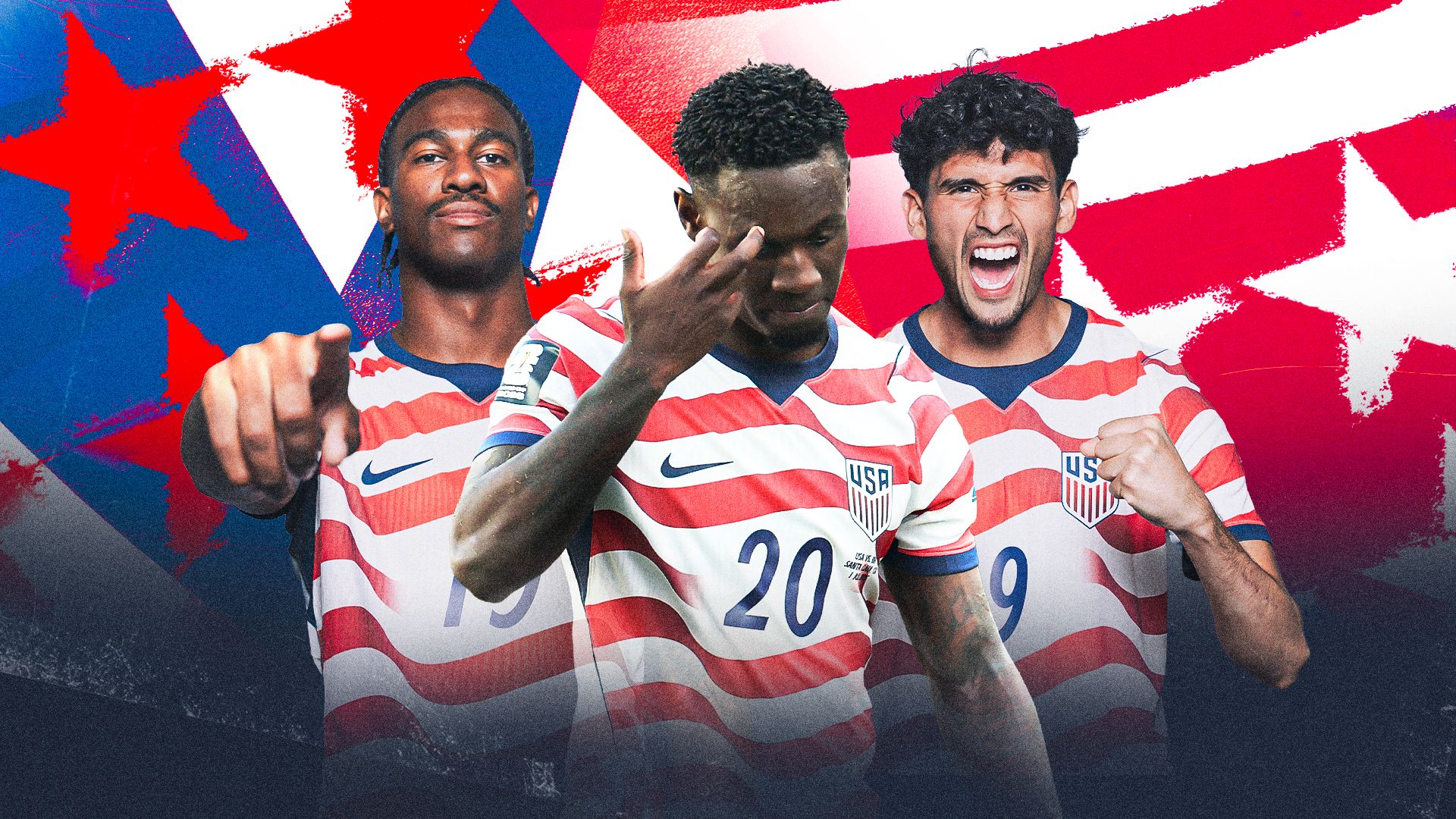
The USMNT faces a monumental challenge, a true World Cup litmus test, as Folarin Balogun — their breakout goal-scoring sensation — is suspended for the pivotal clash against Belgium. This isn't just a personnel change; it's a tactical earthquake that demands a flawless response from Gregg Berhalter and his coaching staff. The nation holds its breath, wondering: who can fill those incredibly big boots?
Key Takeaways:
- Ricardo Pepi: A pure, clinical finisher whose game has evolved beyond just goals, offering a different dynamic.
- Haji Wright: Provides a robust, physical presence and proven "get-in-behind" ability, making him a like-for-like option.
- Christian Pulisic: A tempting but risky tactical shift, moving Captain America into the central striker role.
- Tim Weah: A high-energy, relentless presser whose pace can open lanes and disrupt defenses, despite not being a traditional No. 9.
The Balogun Void: A World Cup Conundrum
Folarin Balogun has cemented his place as the USMNT's primary goal threat, combining blistering pace with clinical finishing. His absence against Belgium isn't merely a missing player; it's a strategic void that Gregg Berhalter must ingeniously fill. The decision will define the team's attacking approach and potentially their World Cup trajectory. This isn't just about goals; it's about leading the line, pressing, and creating space.
Pepi's Lethal Instinct: The Pure Finisher Emerges
If raw goal-scoring is the top priority, then Ricardo Pepi undoubtedly leads the charge. He's consistently demonstrated a predatory instinct in front of goal for PSV and the USMNT. His reputation as a deadly finisher has attracted significant Premier League interest for good reason: give him one chance, and he’ll likely bury it.
Beyond his finishing prowess, Pepi has refined his all-around game. He's shown an improved ability to link play, assist teammates, and even engage in the "dirty work" of occupying center-backs, which creates crucial space for others. While he lacks Balogun's explosive quickness and aggressive pressing, Pepi's evolving versatility makes him a compelling, if different, option.
Wright's Physicality: A Direct Alternative
Haji Wright presents a more physically imposing and direct alternative to Balogun. The Coventry City striker boasts significant size and an impressive ability to run in behind defenses, a quality highly valued in Berhalter's system. He was a standout performer in the Championship and has even found the net on the World Cup stage, including a memorable brace against Australia.
Despite his proven qualities, Wright has seen limited minutes recently for the USMNT, hinting at his current standing within the squad. However, his attributes—size, pace, and a World Cup goal—make him a strong contender to replicate some of Balogun's key contributions. He offers a tangible threat that defenders can't ignore.
Pulisic Up Top: Captain America's Bold Shift?
The idea of deploying Christian Pulisic as a central striker is undeniably tantalizing. As the USMNT's leading goalscorer, putting him closer to goal seems logical. Pulisic's natural tendency to cut inside from the wing already sees him drifting into central attacking areas, drawing defenders and creating chaos. With fullbacks like Antonee Robinson and Sergiño Dest providing width, Pulisic could theoretically thrive in a fluid central role.
However, this is a high-stakes gamble. Past experiments with Pulisic as a No. 9, notably against Portugal and during his stint at AC Milan, have yielded mixed results at best. While the allure of his goal-scoring ability is strong, his greatest impact often comes from the left wing, where he can exploit space and drive at defenders. Moving him centrally risks blunting his overall effectiveness.
Weah's Engine: The Relentless Pressing Forward
Tim Weah offers a distinctly different, yet potentially effective, solution. While not a natural striker—having predominantly featured as a wingback for Marseille in recent years—Weah excels at two crucial aspects of Balogun's game: running in behind defenses and igniting the team's press. His performance against Wales in the 2022 World Cup showcased exactly this disruptive capability.
The trade-off is clear: Weah is not a prolific goalscorer. However, if the primary objective is to make the entire team better by creating space, disrupting opponent build-up, and facilitating opportunities for others, his relentless work rate and pace could be invaluable. He could be the spark that unlocks defensive lines, even if he doesn't personally bag the goals.
Dark Horses and Tactical Wildcards
Beyond the primary contenders, Berhalter could consider several curveball options, each with their own inherent risks. Gio Reyna, despite his creative brilliance and a World Cup goal, lacks the physical presence and top-end pace for a lone striker role. Brenden Aaronson brings energy and pressing but rarely converts chances. Alex Zendejas has scored for Club América but has limited USMNT integration.
Other intriguing, albeit disruptive, possibilities include Malik Tillman or even Weston McKennie. Tillman possesses the size and on-ball ability but is typically a No. 10. Shifting him would likely dismantle an otherwise formidable midfield. McKennie, who has played up top for Juventus, is undeniably more impactful in his midfield engine room role. Whatever the choice, it must be the right one; the USMNT's World Cup fate hangs in the balance.