

Disrupting the Rhythm: Van Dijk's Fiery Critique
The Netherlands began their 2026 World Cup campaign with a high-tempo, goal-filled draw in Dallas, but much of the post-match discussion centred on FIFA’s new in-game regulation changes. The introduction of mandatory hydration breaks across all matches has quickly become one of the tournament’s most debated talking points.
Key Talking Points:
- FIFA introduced mandatory hydration breaks for all 2026 World Cup matches, including indoor stadiums
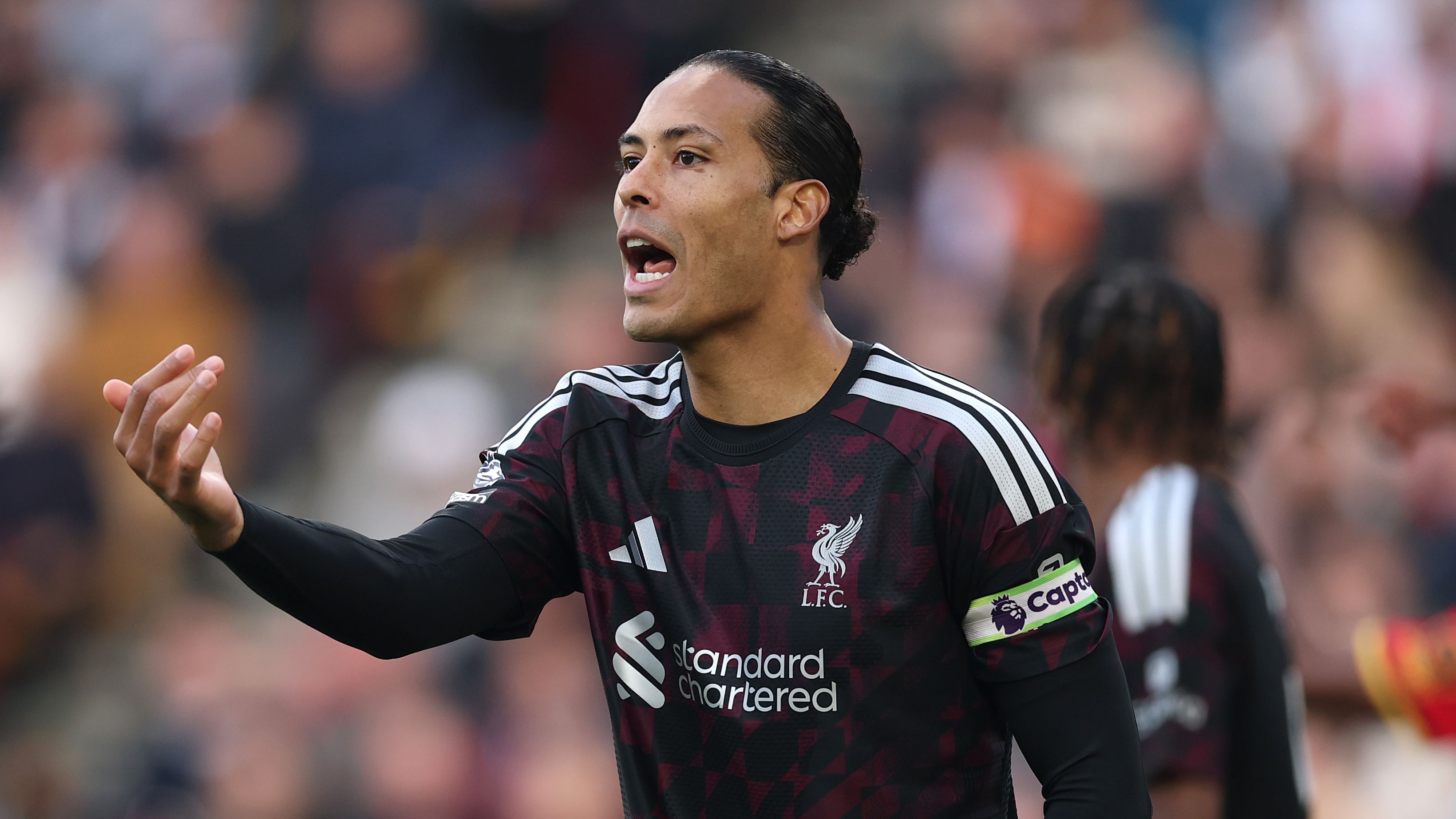
- Virgil van Dijk criticised the stoppages as disruptive and overly influenced by broadcast considerations
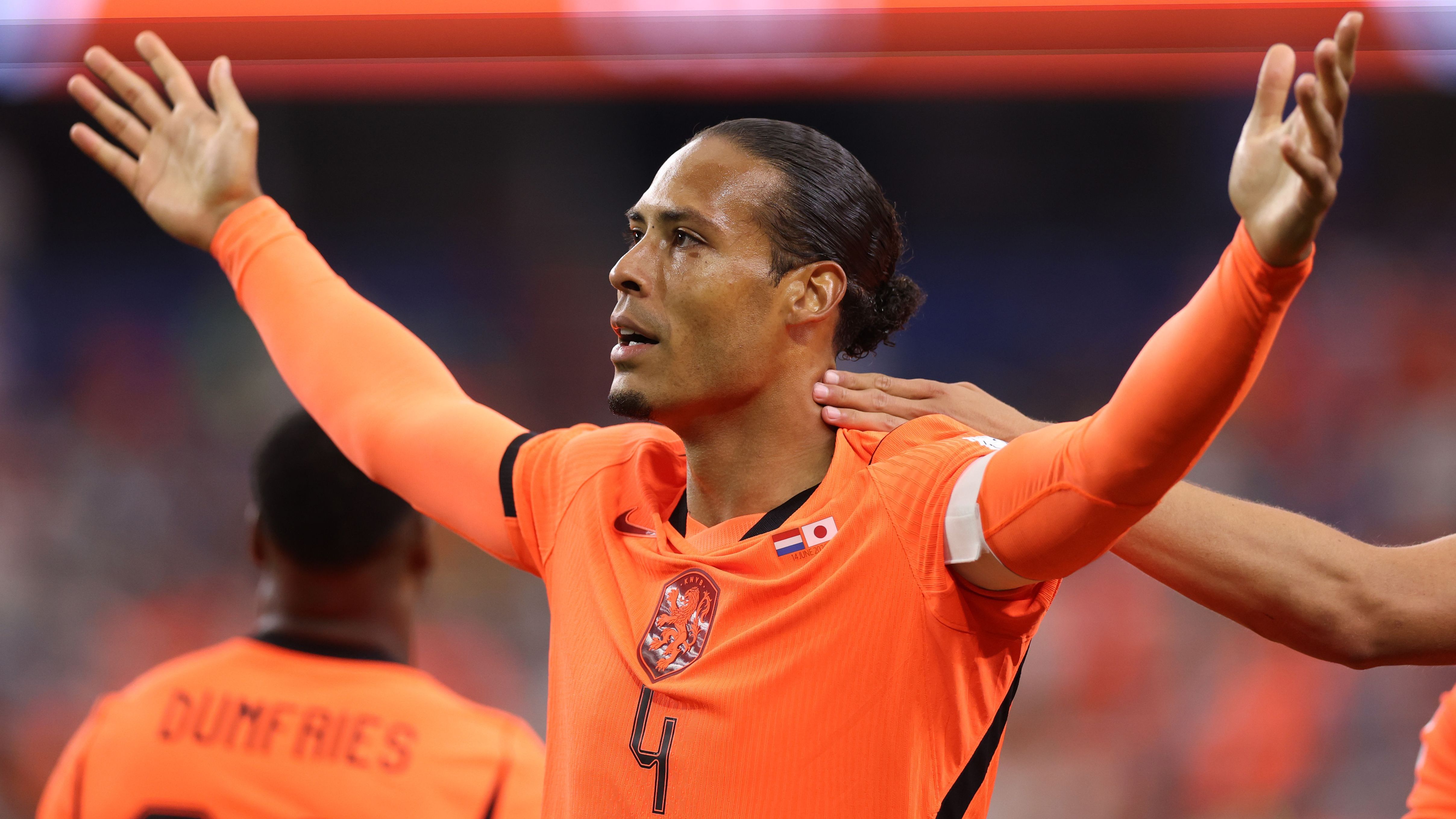
- Netherlands drew 2-2 with Japan in a match affected by broken rhythm and momentum shifts
- Debate continues over player welfare measures versus maintaining the natural flow of football
Van Dijk Questions “Commercial” Impact on the Game
Virgil van Dijk did not hold back when addressing the issue after the match, suggesting the stoppages disrupt the natural tempo of elite football. The Netherlands captain expressed concern that the breaks feel more aligned with broadcast scheduling than on-pitch necessity.
He argued that while player safety remains important, hydration pauses should be applied more selectively depending on match conditions, rather than enforced universally across all games.
Match Rhythm Disrupted in Draw with Japan
The contest itself reflected the fragmented nature of the new structure. After a cautious first half, Van Dijk opened the scoring for the Netherlands, with Crysencio Summerville also finding the net. However, Japan responded strongly through Keito Nakamura and a late strike from Daichi Kamada, earning a 2-2 draw and exposing defensive gaps during a disrupted rhythm of play.
Broader Debate Over Player Welfare vs Entertainment
FIFA’s introduction of drink breaks is intended to safeguard players in expected extreme North American heat, but critics argue the policy is starting to resemble the stop-start nature of American sports broadcasting. Van Dijk’s comments have reignited the debate over whether the game is being overly segmented, with some suggesting that football risks losing its continuous flow in favour of commercial and logistical convenience.