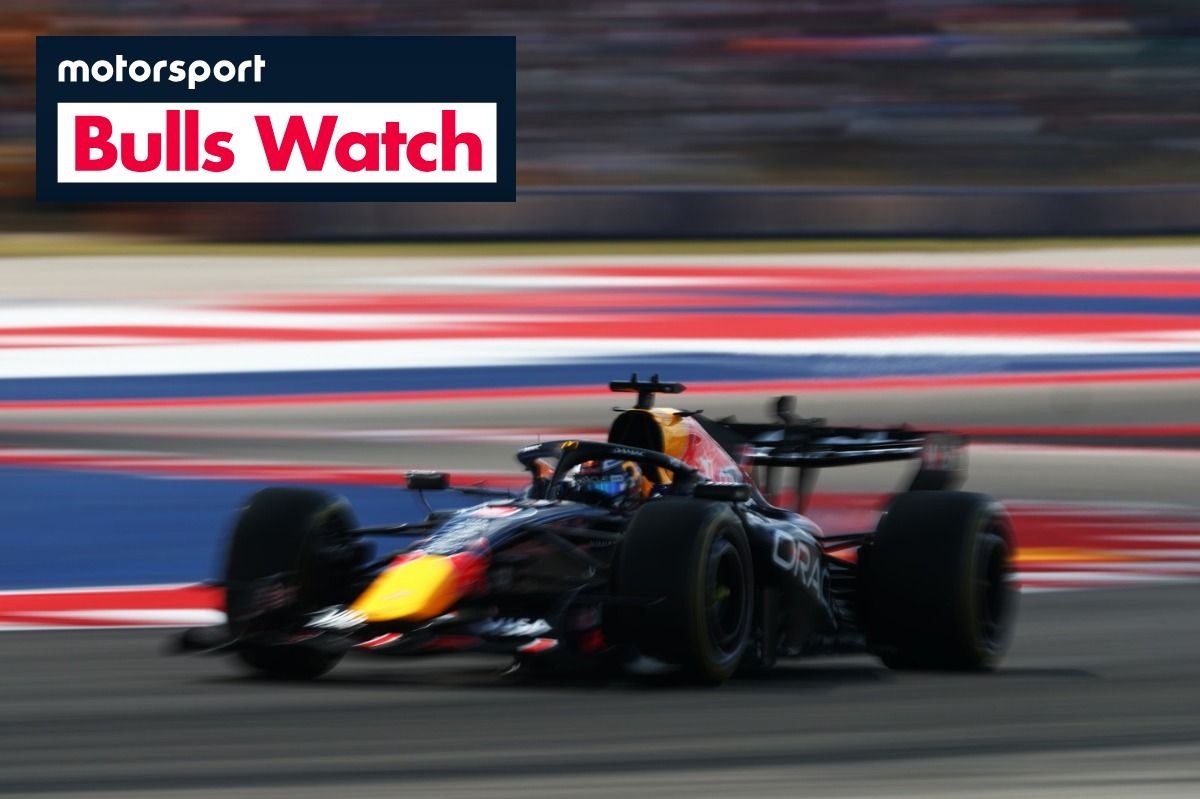

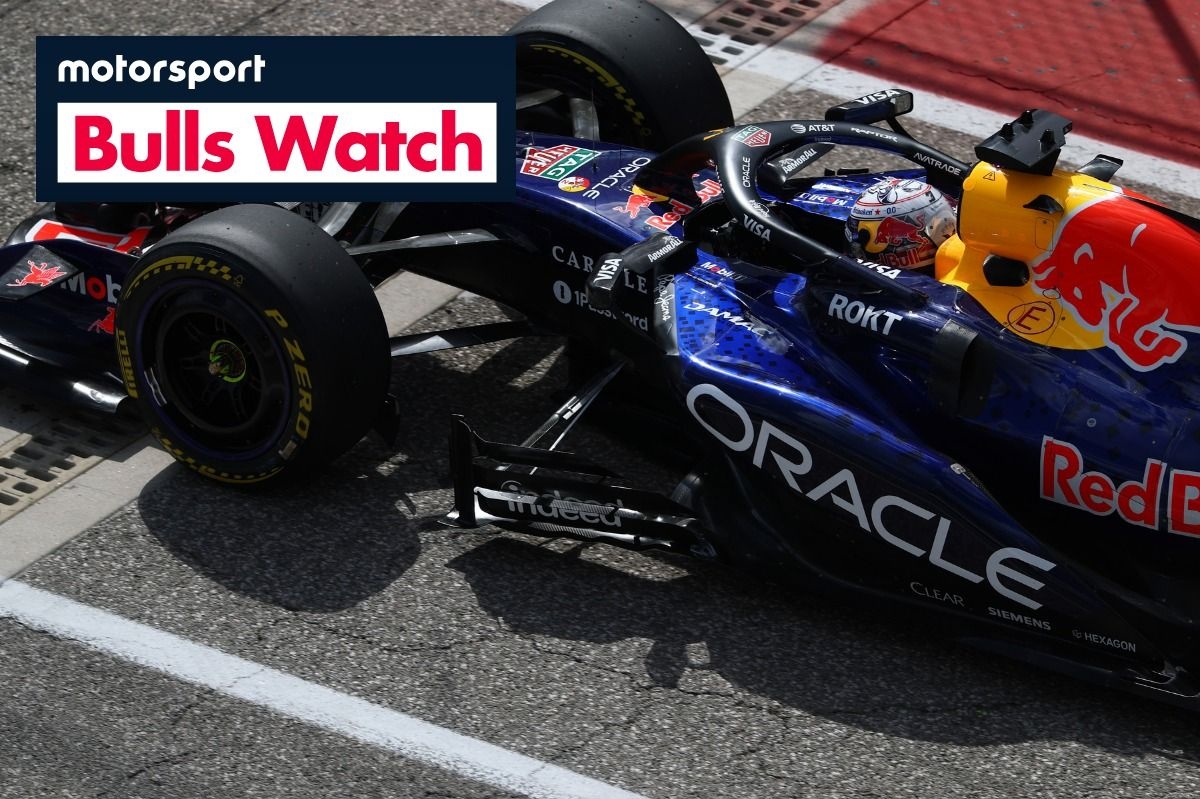

Even a podium finish couldn't mask the palpable frustration of Max Verstappen at the United States Grand Prix, as the normally dominant Red Bull driver slammed his team's "average" performance and strategic missteps in Austin. After clinching two back-to-back victories, securing third place at the Circuit of the Americas felt like a significant step backward for the Dutchman.
KEY TAKEAWAYS FROM AUSTIN:
- Max Verstappen finished a 'frustrating' third, ending a two-race winning streak.
- Red Bull faced criticisms for suboptimal tyre strategy and sticking to past assumptions.
- Verstappen also battled power unit consistency issues and radio problems throughout the race.
- Mercedes' Kimi Antonelli clinched victory with a superior one-stop hard tyre strategy, contrasting Red Bull's approach.
Austin's Unexpected Reality Check for Red Bull
The F1 Austin race was a stark contrast to Red Bull's recent triumphs in Malaysia and Singapore. Despite landing on the podium, Verstappen found himself a significant 17.5 seconds behind race winner Kimi Antonelli, signaling that something was fundamentally off.
His post-race comments were pointed, highlighting a team that, in his view, relied too heavily on past successes without adapting to the unique demands of the Circuit of the Americas.
The Tyre Gamble That Backfired
Verstappen minced no words when discussing Red Bull's tyre strategy. He explained that the softer compounds, which had been a winning formula in previous races, simply weren't performing as expected in Austin. Meanwhile, competitors on harder compounds found far more grip.
"The way that we used our tyres in the order was wrong," Verstappen stated, criticizing the team's failure to react to changing track conditions. This misjudgment was starkly highlighted by Mercedes' Kimi Antonelli, who impressively converted pole position into a win with a single stop on hard tyres, while Red Bull and Ferrari opted for a less successful two-stop strategy.
More Than Just Tyres: Power Unit and Radio Woes
The tyre miscalculation wasn't the only hurdle for Verstappen. He also cited critical power unit consistency issues and persistent radio problems that compounded his race day frustrations. These technical glitches directly impacted his ability to push the RB22 to its limits.
"When you have too many issues with the consistency of your power unit, then that already costs you free lap time," he explained. Such fundamental problems prevent a driver from executing a perfect race, irrespective of strategy.
Where Did the RB22's Edge Go?
Verstappen further elaborated on the RB22's performance, admitting it lacked a defining strength in Austin. "We are not the fastest in high speed, we’re not the fastest in low speed," he noted, indicating a car that was simply "a little bit average" across the board.
He firmly believed a second-place finish was achievable with a different tyre strategy, but the combination of strategic errors and mechanical setbacks made it an uphill battle. The race in Austin leaves Red Bull with plenty to analyze and improve upon.
Learning from the Lone Star State Laps
For Red Bull, the United States Grand Prix serves as a crucial learning experience. Verstappen concluded by emphasizing the need for a deep dive into why certain tyres underperformed and why others exceeded expectations. This introspection will be vital as they aim to reclaim their dominant form.