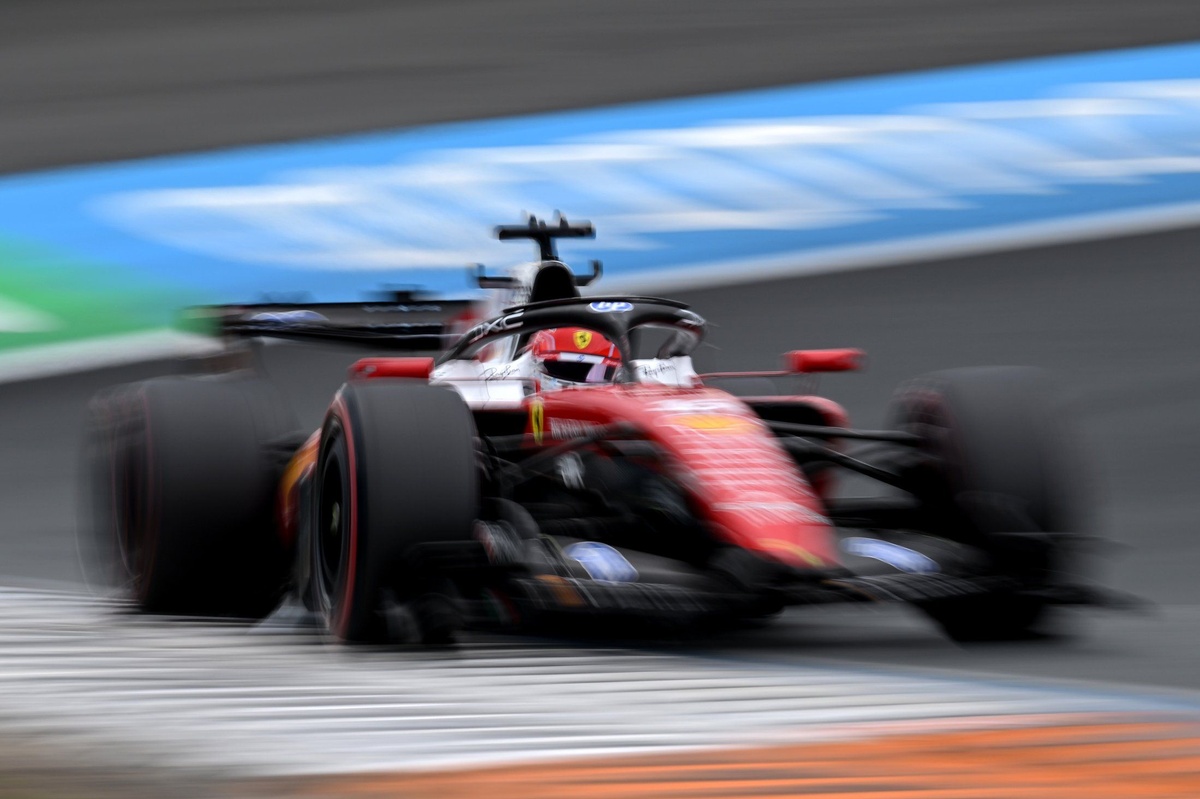



Max Verstappen has raised concerns over the FIA's handling of yellow flags following his dramatic qualifying crash at the Austrian Grand Prix, arguing that double yellow flags should have been deployed sooner after his high-speed accident at the Red Bull Ring.
The incident has sparked debate over Formula 1's safety procedures, with the FIA defending its response while Mercedes' George Russell backed race control's decision.
Key Highlights
- Max Verstappen believes double yellow flags should have been shown earlier after his qualifying crash at Turn 9.
- The FIA said standard procedures were followed, with double yellows issued only after assessing the level of danger.
- Championship leader Kimi Antonelli abandoned his flying lap, while George Russell continued under the initial single yellow.
- Russell defended the FIA's decision, saying a single yellow was appropriate because Verstappen's car was already well off the racing line.
Verstappen Questions FIA's Response
Verstappen lost control of his Red Bull entering Turn 9, one of the fastest corners on the Red Bull Ring, after already experiencing a significant rear-end snap earlier in the lap. The crash sent the RB22 heavily into the barriers, bringing an abrupt end to his qualifying session.
Although the four-time world champion escaped injury, he was surprised to learn that only a single yellow flag was initially displayed. "I only heard about that now. That's quite crazy," Verstappen said after qualifying. He believes the severity and location of the accident warranted an immediate double yellow, particularly given the high speeds through the section.
FIA Explains Why Double Yellows Were Delayed
The FIA defended its handling of the incident, explaining that race control followed its standard protocol. According to the governing body, marshals immediately displayed a single yellow flag when Verstappen lost control while still on the circuit.
Race control then assessed the situation after the car reached the barriers before deciding whether additional measures—including double yellow flags or a red flag—were necessary. That review took approximately 15 to 20 seconds, during which both George Russell and Kimi Antonelli passed the accident scene while only single yellow flags were being displayed.
Russell Saw No Immediate Danger
Pole-sitter George Russell revealed he initially thought Verstappen had managed to continue because he never actually saw the damaged Red Bull. The Mercedes driver said he reacted appropriately by lifting off the throttle under the single yellow before realizing the incident had already been cleared.
After watching the replay, Russell understood how far Verstappen's car had travelled into the barriers but maintained race control had made the correct decision.
Different Interpretations of the Rules
Under Formula 1 regulations, drivers encountering a single yellow flag must significantly reduce speed and be prepared to change direction if necessary. Double yellow flags carry much stricter consequences, preventing drivers from improving their lap times and automatically invalidating the lap.
Russell argued there was no justification for escalating the warning immediately because Verstappen's car had already left the racing line. "I think in that instance, a single yellow was correct," Russell said. "A double yellow is immediate danger."
The differing views from Verstappen and Russell have reignited discussion over how quickly race control should react during high-speed accidents, particularly at circuits where split-second decisions can affect both safety and qualifying outcomes.