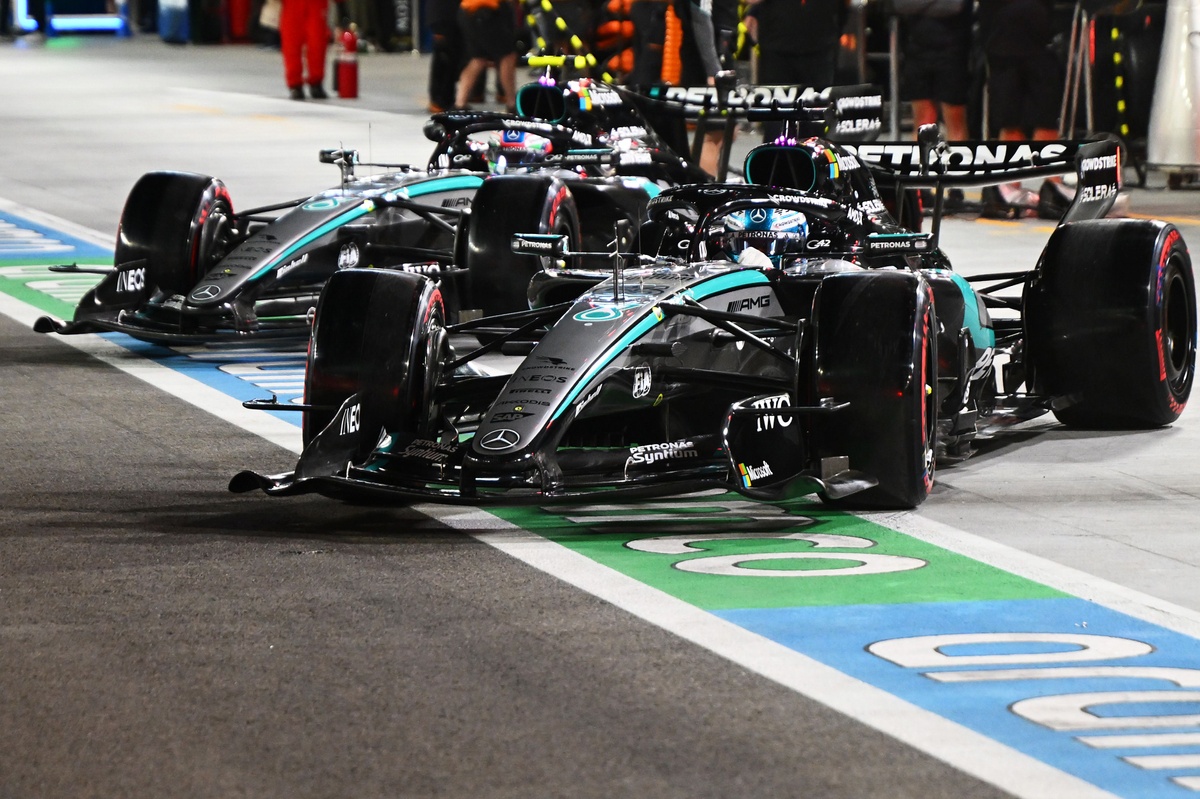

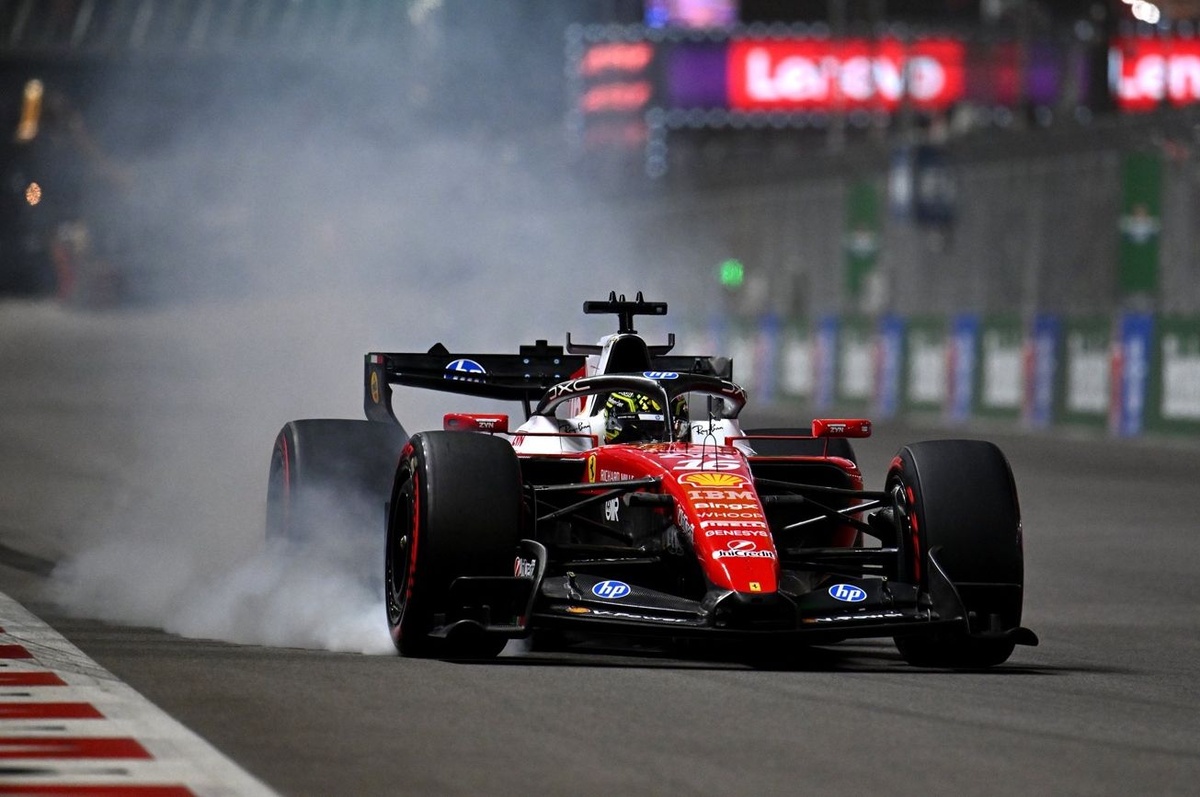

The roar of the engines faded, but the shockwaves from Ferrari's calamitous Las Vegas Grand Prix qualifying session are still echoing through the F1 paddock. It was a spectacular implosion on the Strip, leaving fans and rivals alike questioning how the Scuderia could misfire so badly.
Key Takeaways from Ferrari's Vegas Nightmare
- Ferrari's entire team suffered a rare double Q2 elimination at the Las Vegas Grand Prix.
- A long-standing power unit deficit, coupled with specific design choices, severely hampered their top speed.
- Max Verstappen highlighted Ferrari's unique exhaust blowing system as a key factor in their straight-line struggle.
- Strategic errors, including failing to utilize the potent Las Vegas slipstream, compounded their woes.
Vegas Nightmare: Ferrari's F1 Qualifying Catastrophe Unpacked
The glitz and glamour of Las Vegas couldn't hide the stark reality for Ferrari. For the first time in what feels like an eternity, both SF-26 cars were knocked out in Q2. While Max Verstappen found himself second fastest, even he acknowledged the depth of Ferrari's struggle, which ran far deeper than simple track conditions.
The Engine Room: A Deeper Power Unit Problem
Ferrari's challenges in Las Vegas weren't entirely unforeseen. The team’s deliberate choice to run a smaller turbo in their power unit, while offering benefits like quick off-the-line performance, sacrifices outright power. This strategic trade-off proved costly on the long, high-speed straights of the Las Vegas circuit.
FIA measurements previously indicated that Ferrari's internal combustion engine (ICE) was 2% to 4% down on the class-leading Red Bull unit. This power deficit became excruciatingly apparent when cars hit "clipping," forcing them to rely solely on ICE power on the immense straights.
Verstappen's Blistering Take: Exhaust Design Under Fire
While the power unit deficit is a known quantity, Red Bull's Max Verstappen pinpointed another critical, self-inflicted wound for Ferrari: their exhaust blowing design. "They are obviously lacking top speed," Verstappen observed, "but that has to do with the way they have designed their exhaust blowing as well."
He elaborated, contrasting Ferrari's situation with Haas, a team also running a Ferrari power unit. "Haas, it's much less of an issue on the straight," he noted. This suggests that while the engine has a baseline deficit, Ferrari's specific aerodynamic integration of the exhaust is exacerbating the problem.
The Trade-Offs of Aerodynamic Aggression
Ferrari has notably pioneered an exhaust wing concept, designed to generate additional downforce. However, according to Verstappen, there’s a direct correlation: "The bigger you make that thing in front of the exhaust, the more power you lose. So to some extent, it's obviously in their own hands as well."
On a track like Las Vegas, which prioritizes straight-line speed, this aggressive downforce choice becomes a significant handicap. It’s a delicate balance that Ferrari clearly misjudged for the unique demands of the Strip.
Red Bull's Stealthy Gains: A Masterclass in Efficiency
In stark contrast to Ferrari's struggles, Red Bull has quietly transformed its performance on energy-poor circuits. Earlier in the season, efficiency at such venues was a relative weakness for the team compared to rivals like Mercedes.
However, Red Bull Ford Powertrains has made immense strides. "At the beginning, we obviously had a lot of problems with our car and we weren't quite on top of things with the power unit either," Verstappen reflected. "I think that automatically meant we had some easier steps to make, but we still made those steps. And that's something we should be proud of."
Strategic Missteps: The Slipstream Blunder
Beyond the technical woes, Ferrari's qualifying strategy also raised eyebrows. The slipstream effect in Las Vegas was unusually potent, with many drivers calling it the strongest they'd ever experienced. Yet, astonishingly, Ferrari drivers often found themselves running solo, missing out on crucial straight-line speed gains.
Given their inherent top speed deficit, this seemed like a baffling oversight. Verstappen, ever diplomatic, commented, "Well, that's judging from the outside. I just focus on our own team. Of course, our goal is always to make as few mistakes as possible and to stay on top of everything as much as we can. I think we did a pretty good job in terms of execution today." His words subtly underscored Red Bull's superior execution.
Ferrari's Las Vegas qualifying was a complex cocktail of inherent power unit limitations, aggressive aerodynamic choices, and questionable strategic calls. The Strip exposed their vulnerabilities in dramatic fashion, leaving them with much to ponder.