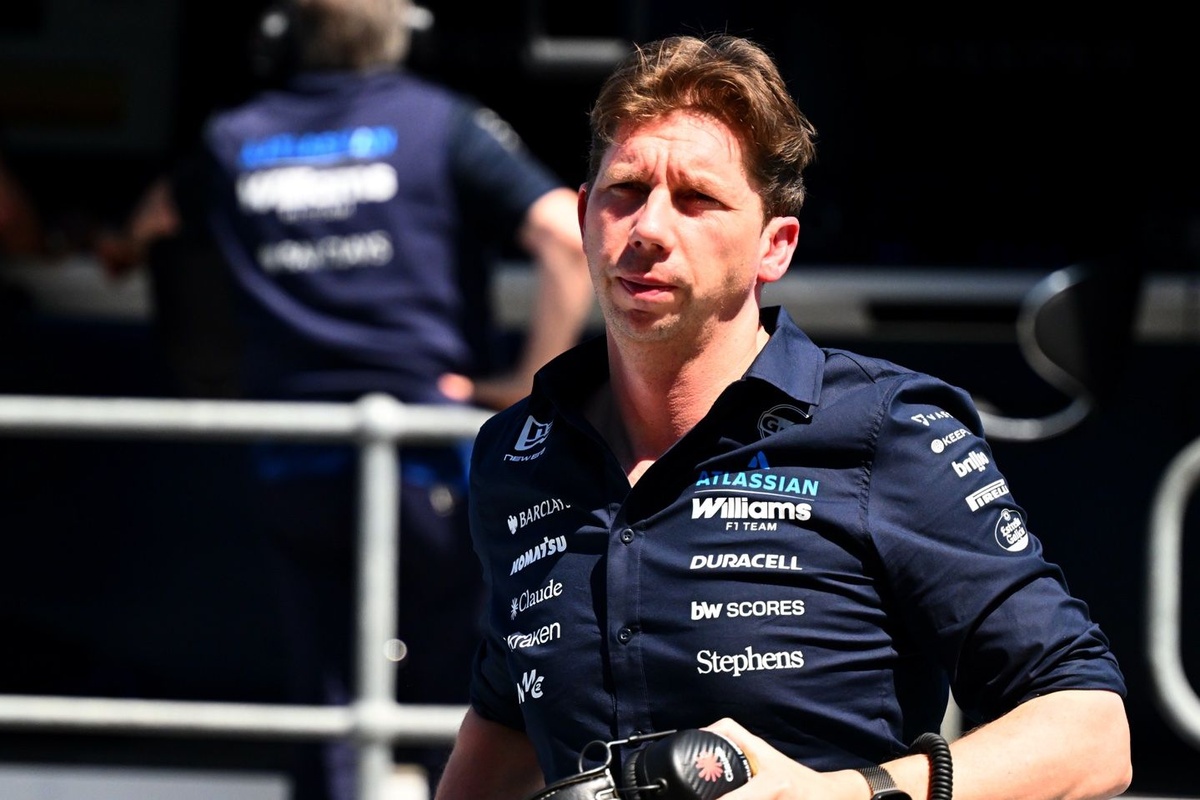

In a candid post-race debrief, Williams Racing Team Principal James Vowles didn't mince words, openly admitting the team's strategic calls at the Canadian Grand Prix were "not right or perfect." It was a high-stakes gamble in variable conditions that ultimately cost the Grove outfit dearly, though not without moments of brilliance.
Key Takeaways from Montreal:
- Williams made a risky call starting on intermediate tyres, a decision Vowles now labels "not right."
- Alex Albon showcased impressive car pace but was unfortunately sidelined by an unavoidable collision with Oscar Piastri.
- Carlos Sainz delivered a stellar recovery drive, battling through the field to secure crucial points for the team.
- James Vowles emphasized learning from the race's rapidly changing track conditions and radar inaccuracies.
The Costly Gamble on the Grid
The decision to start both Williams cars on intermediate tyres in Montreal was a calculated risk. As James Vowles explained, the team anticipated more rain, hoping to capitalize on a potentially chaotic opening lap from their midfield grid slots.
However, the weather had other plans. "The conditions started to dry quicker than anticipated. The radar wasn't entirely accurate," Vowles reflected in The Vowles Verdict. This rapid shift forced an early switch to slick tyres, a move that proved suboptimal and left both drivers struggling for initial temperature and grip.
Albon's Unfortunate Exit After Showing Promise
Despite the strategic misstep, Alex Albon was proving the updated Williams car had genuine pace. He was driving exceptionally well, climbing through the pack and demonstrating the team's developmental progress. This promising run was cut short through no fault of his own.
A forceful lunge from Oscar Piastri resulted in contact, extensively damaging Albon's car and forcing his retirement. Vowles lamented the incident, confident that Albon was on course for a strong points finish had the collision not occurred. It was a tough break for a driver extracting maximum performance.
Sainz's Heroic Fightback to the Points
While Albon faced early retirement, Carlos Sainz mounted a truly impressive comeback. Starting from P15, he faced challenging conditions with cold slick tyres early on. Despite the initial struggles, Sainz kept his head down and clawed his way back into contention.
His tenacious driving paid off, especially when a Virtual Safety Car (VSC) allowed for a strategic pit stop for fresh medium tyres towards the end. Sainz seized the opportunity, battling hard to finish P9 and secure valuable points for Williams. Vowles praised this "absolutely brilliant job" in adverse circumstances.
Learning from the Fluctuating Conditions
Vowles didn't shy away from responsibility, acknowledging that the choices made weren't "right or perfect." The challenge of rapidly drying track conditions, coupled with unreliable weather predictions, made strategy calls incredibly difficult. However, the team principal sees this as a crucial learning experience.
The strong pace shown by the Williams car, especially through Albon before his incident, and Sainz's determined drive, offers a glimmer of hope. The focus now shifts to analyzing these lessons to ensure future strategic decisions are sharper and more reactive to unpredictable race days. The team remains committed to improving its on-track performance.