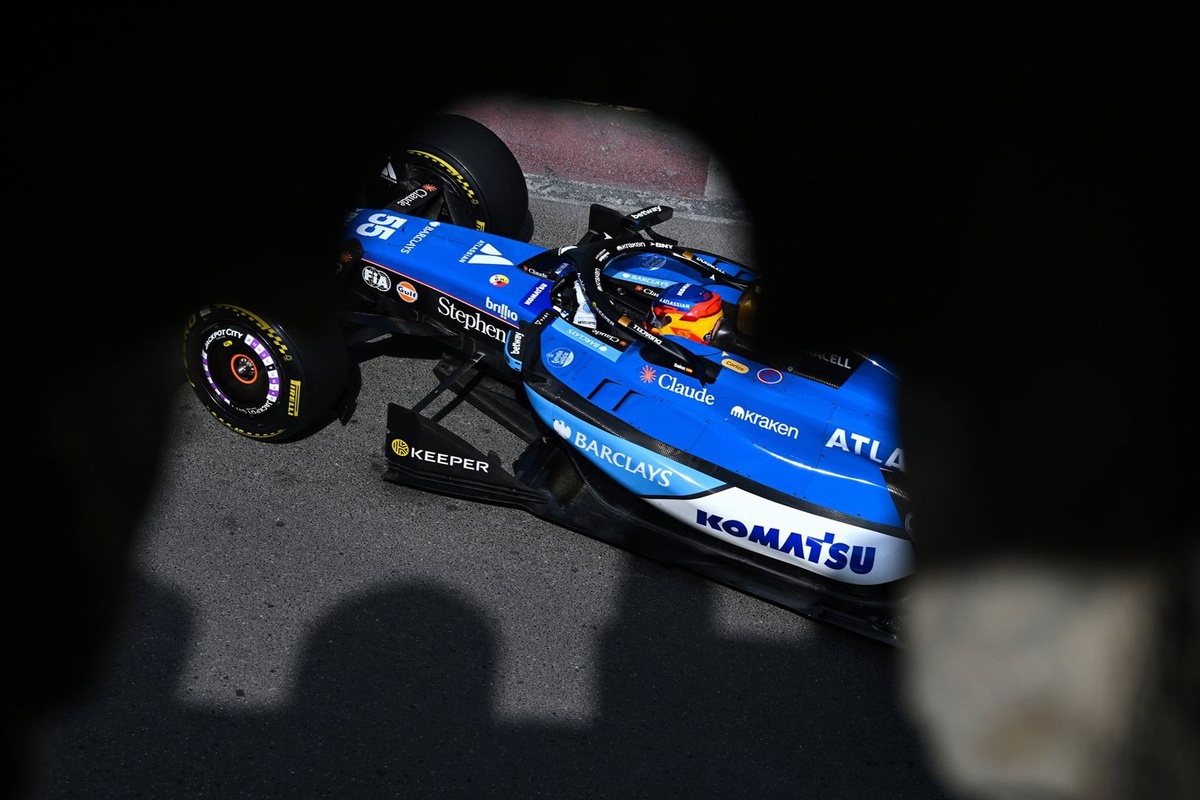

The Williams F1 garage erupted in cautious optimism at the Azerbaijan Grand Prix, as a long-awaited new chassis finally injected much-needed pace into their 2026 campaign. After grappling with an overweight car since the new technical regulations, Grove's strategic upgrade in Baku delivered their strongest qualifying performance yet.
Key Points:
- Williams F1 debuted a significantly lighter, upgraded chassis at the Azerbaijan Grand Prix.
- Carlos Sainz showcased impressive speed, qualifying ninth (before penalty), marking Williams' best 2026 qualifying performance.
- Drivers Sainz and Alex Albon remain grounded, questioning if Baku's unique track characteristics flattered the new package.
- The team is eager to test the true potential of the upgrade on high-speed circuits like Sepang and Singapore.
A Glimmer of Hope in Baku's Streets
For much of the 2026 season, Williams has been battling the inherent disadvantage of an overweight car. The introduction of a brand-new chassis at Baku was meant to address this fundamental issue, and the initial returns were nothing short of eye-catching.
Carlos Sainz consistently demonstrated improved speed throughout qualifying, finishing 11th in Q1, then an impressive ninth in Q2 and Q3. This easily eclipsed their previous best results of the year: Sainz's 10th in Montreal sprint qualifying and Alex Albon's 11th in Monaco.
Sainz's Masterclass: "An Overachievement"
Despite the significant performance jump, Sainz himself remained pragmatic, even after copping a five-place grid penalty for a yellow flag infringement. He admitted the track suited their car, but viewed the Q3 appearance as somewhat exceeding expectations.
"I knew this track would suit us," Sainz commented. "But the reality, and if I'm very honest with you, I think Q3 is a bit of an overachievement. Today as a team we nailed the tyre strategy, we nailed the run plan; I nailed the laps, honestly. I've done some serious laps today, on the limit."
Reality Check: The Sepang Test Awaits
While the performance boost was undeniable, both Williams drivers were quick to temper enthusiasm, suggesting that Baku's low-speed corners and long straights might have masked underlying characteristics. The true test for the new chassis will come at circuits with more demanding high-speed sections.
Albon's Candid Assessment
Alex Albon, who qualified 13th, felt the car's feel hadn't drastically changed, but the results were undeniably better. He pointed to being "just slow on the straights" as a puzzling issue that needs addressing, but remained focused on the bigger picture.
"What will be interesting to us is, in my opinion, this track is the best track for our car of the season. It just suits the track. I want to see in Malaysia and Singapore – longer corners, corners that we don't normally like – how it goes," Albon stated, highlighting the cautious approach.
Sainz Echoes Caution, Eyes Future
Sainz echoed his teammate's sentiments, emphasizing that while the car is quicker due to being lighter and having more load, the fundamental balance issues persist. These, he believes, won't be resolved until a complete redesign for next year's car.
"Honestly the car hasn't changed in feel, it's just quicker," Sainz added. "We have underlying balance [issues] that we need to work on for next year's car, that will not go away until we redesign the car. So we're just working with a car that, both Alex and I, we are not loving so far. I think in Malaysia we'll take a step back."
Foundation Laid: Beyond Weight to Aero
Despite the immediate caution, the long-term impact of the new chassis is a significant morale booster. Albon lauded the team's massive effort, calling it a "big project, a six-month project for most teams." Critically, this upgrade liberates Williams' development focus.
With the weight issue largely addressed, the team can now shift its attention squarely to aerodynamic improvements, particularly for the upcoming 2027 car. "I'm glad that we've got the foundations now, where we're not just talking about weight the whole time, and now every upgrade that comes onto the car is not a mixture of weight and aero, it will just be aero, which is what we need going forward into next year," Albon concluded.
Measured Confidence, Realistic Goals
The upgrade delivered precisely what Williams engineers anticipated, which in itself is a victory. This isn't about unrealistic expectations, but about hitting crucial performance targets. The immediate goal is clear: consistent midfield challenges on favorable tracks.
"We knew exactly what it would deliver, and it's delivered, so it's not like we're jumping up and down and being like, ‘Yes, we're back’," Albon explained. "It's more like we've hit our targets, which in itself is important to do. I'm glad that we've got a car now that we can hopefully challenge the midfield at tracks that suit us. We still need big aero upgrades, and that will likely come more towards next year's car."