
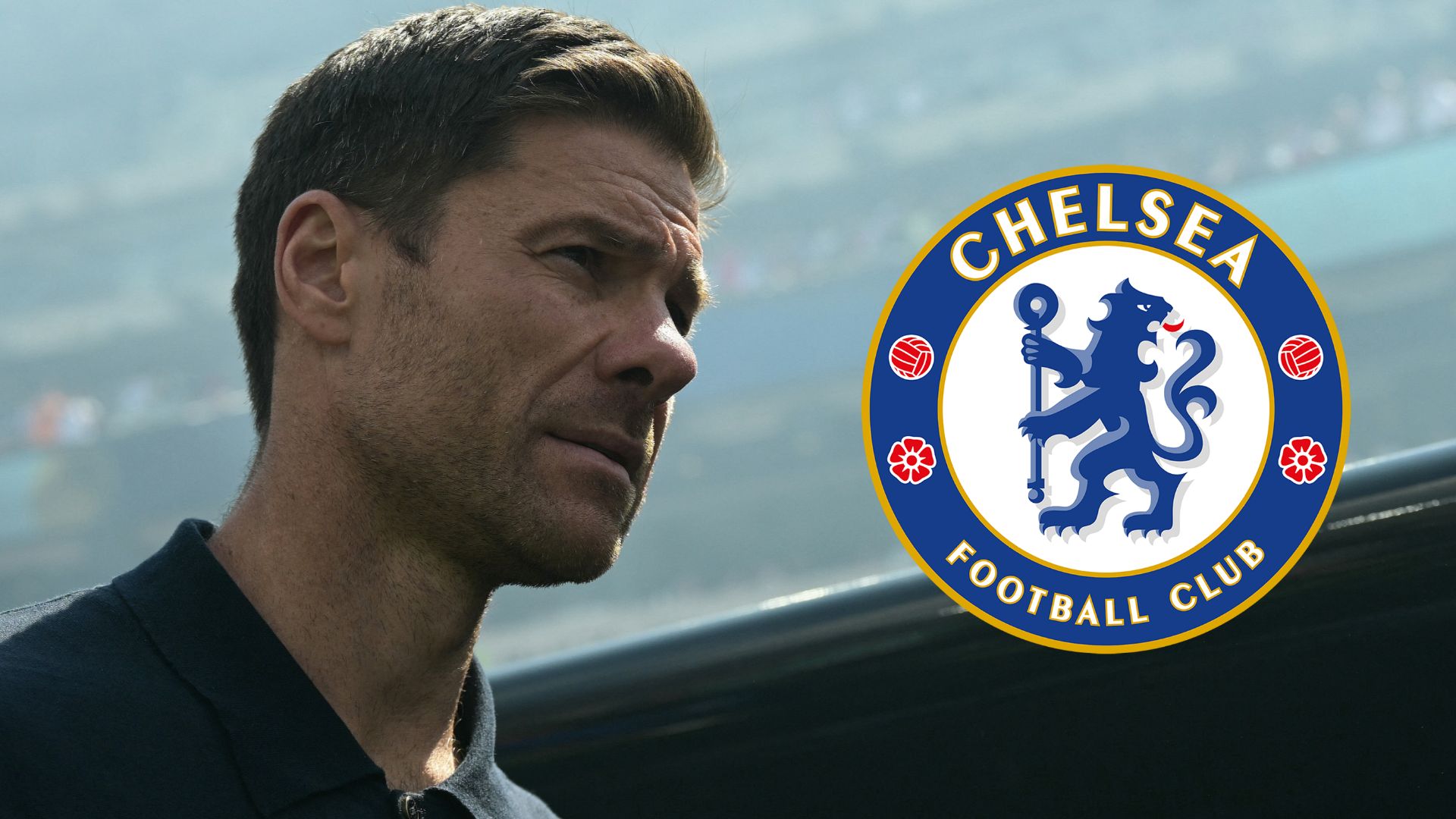

The Stamford Bridge revolution just got its true general: Xabi Alonso is officially Chelsea's new manager, and this isn't just another coaching change – it's a monumental power shift designed to finally unleash the club's colossal potential. After years of tactical uncertainty and a revolving door of leadership, the Blues have made a definitive statement, handing the Bundesliga champion a mandate to reshape the club from top to bottom. This appointment signals a bold new direction for Chelsea's transfer news and on-field strategy.
Key Points:
- Xabi Alonso appointed Chelsea manager, not head coach, signaling vast new powers over transfers and team operations.
- The move rectifies the "mistake" of Liam Rosenior's brief, unsuccessful tenure, highlighting the need for experience.
- Alonso demands a pivot to "ready-made" senior players, shifting away from a purely youth-focused recruitment model.
- The Bundesliga winner is expected to implement his successful 3-4-2-1 system, hoping to elevate stars like Cole Palmer.
A New Power Dynamic at Stamford Bridge
In a radical departure from previous BlueCo regimes, Chelsea has officially bestowed the title of "manager" upon Xabi Alonso. This isn't mere semantics; it grants the 44-year-old a significantly broader remit over recruitment and all first-team operations, a level of control his predecessors could only dream of. It’s a clear acknowledgment that the old "head coach" model limited strategic vision and ultimately hindered progress.
Alonso expressed immense pride in taking the helm of "one of the biggest clubs in world football." He articulated a shared ambition with the ownership: to build a team capable of consistently competing at the highest level and fighting for trophies. With "great talent in the squad and huge potential," the focus is now squarely on hard work, cultivating the right culture, and securing silverware.
Rectifying Past Missteps: The Rosenior Lesson
The decision to appoint Alonso follows the abrupt and unsuccessful tenure of Liam Rosenior, who was dismissed after a mere 106 days. Internally, sources at Chelsea now reportedly view the Rosenior hire as a "mistake" and a crucial "learning curve" for the club's leadership. The hierarchy recognized that their young, expensive squad desperately needed a figure of significant pedigree and experience, rather than another developmental coach, to unlock its true potential.
Alonso's arrival is a calculated move to inject authority back into the dressing room and prevent player unrest. While Rosenior reportedly struggled to command the respect of high-profile stars, the Spaniard arrives with an unparalleled CV, including an invincible Bundesliga title with Bayer Leverkusen and a legendary playing career. Chelsea was also keen to pre-empt any potential competition from Liverpool, where Arne Slot's future had been subject to speculation.
Alonso's Vision: Ready-Made Talent for Immediate Glory
One of Alonso's primary conditions for accepting the Chelsea job was a fundamental overhaul of the club's recruitment model. After investing over £2 billion on emerging youth talent with limited domestic success, the club has agreed to Alonso's demand for more "ready-made senior players." This crucial pivot away from a purely youth-based strategy aims to provide the necessary balance for immediate contention in the Premier League and Champions League.
While Chelsea will still leverage its extensive data and scouting network, Alonso is expected to wield far more influence in identifying and acquiring targets. The previous lack of control over transfers was a significant point of contention for past managers, but this new agreement ensures the Spaniard will lead the evolution of the squad this summer. This assurance was vital in convincing Alonso to return to England, offering him the autonomy needed to succeed.
Tactical Masterclass: Can Alonso Replicate Leverkusen's Magic?
Intriguingly, Chelsea's decision to hire Alonso comes despite a challenging 233-day stint at Real Madrid, where he reportedly clashed with high-profile stars like Jude Bellingham, Vinicius Junior, and Federico Valverde. However, the Chelsea board remains confident that his revolutionary Leverkusen blueprint is perfectly suited to their current roster of players, seeing past the struggles in Spain.
Tactically, the Blues expect Alonso to implement the dynamic 3-4-2-1 formation that proved so devastatingly effective in Germany. There's particular excitement regarding how this system will benefit creative maestro Cole Palmer, with hopes that Alonso can replicate the success he had in developing Florian Wirtz. Despite the difficult ending to his time in Madrid, Chelsea believes Alonso's distinct tactical identity is the missing piece for their expensive, star-studded puzzle.