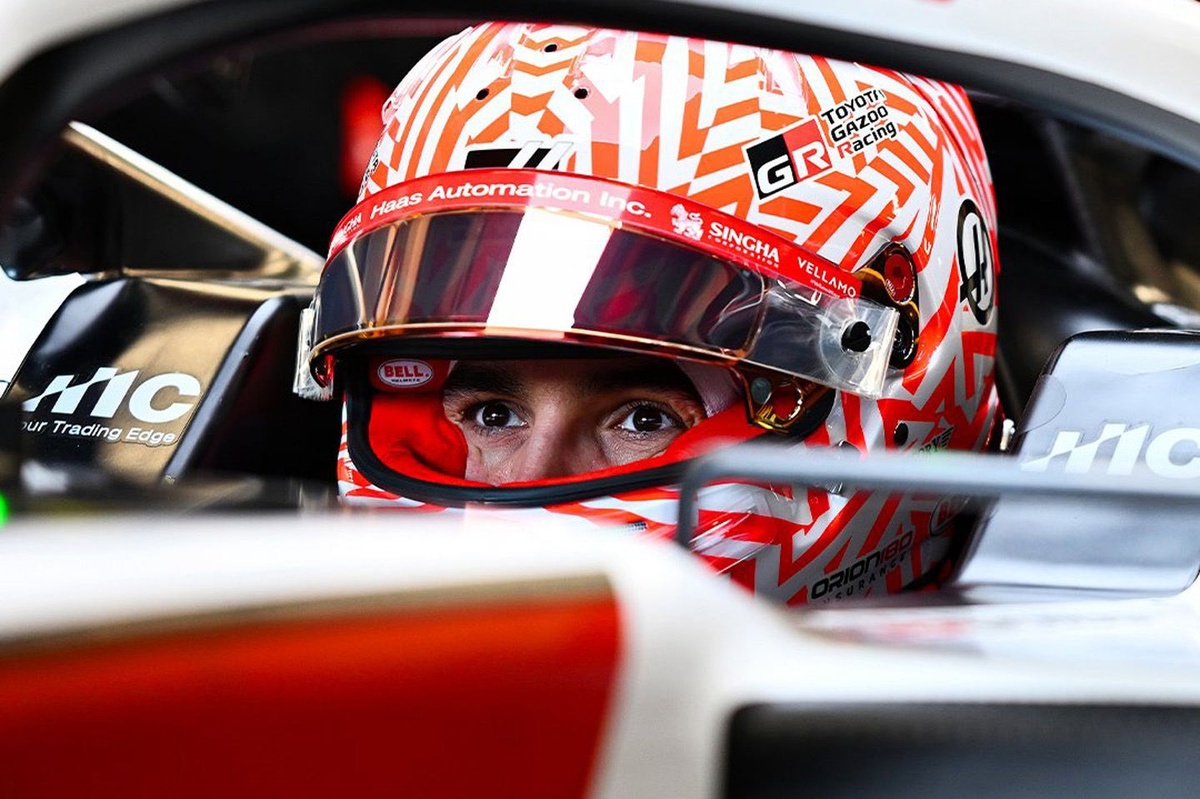
It was a weekend of potential for Aston Martin at the Canadian Grand Prix, only for veteran Fernando Alonso to be forced out early, not by a mechanical failure, but by an enemy within his own cockpit: a brutal seating position causing unbearable back pain. This shocking revelation highlights a fundamental design flaw in the AMR26 that plagued the two-time world champion.
Key Points:
- Fernando Alonso retired from the Canadian GP on lap 23 due to severe back pain.
- The pain was caused by the AMR26's aggressively reclined cockpit position, a design choice for aerodynamic gains.
- Attempts to modify the seat proved futile, confirming the issue lies with the overall driver ergonomics, not a faulty component.
- Aston Martin is now re-evaluating the seating position, with temporary fixes planned before the Monaco Grand Prix.
More Than a Simple Seat Problem
While Aston Martin seemed to find some competitive rhythm in Montreal, with Alonso even progressing to SQ2 and running inside the top 10 on race day, the underlying discomfort for its star driver reached a critical point. Alonso's retirement on lap 23 wasn't a tactical withdrawal; it was a surrender to intensifying back pain.
“The position wasn’t right, and since we were out of the points... we decided to put an end to the pain,” Alonso explained. Efforts to adjust his molded carbon fiber seat between Saturday and Sunday proved fruitless. This wasn't a manufacturing defect in a specific seat unit; the issue runs deeper, pointing to the overall cockpit layout.
The Quest for Aerodynamic Edge Backfires
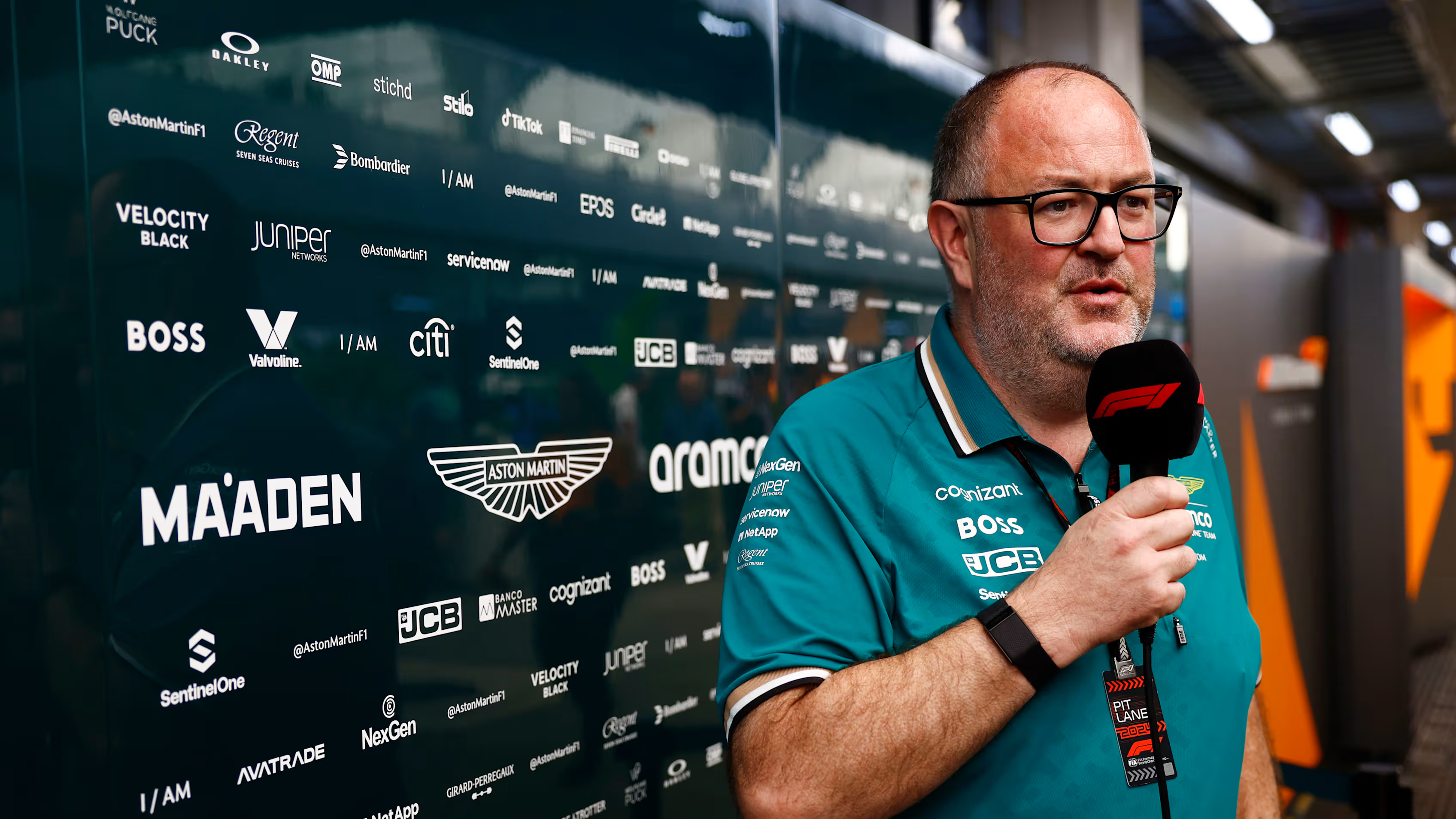
Aston Martin's chief trackside officer, Mike Krack, confirmed the root cause: a significantly more reclined cockpit position in the AMR26 compared to previous seasons. This design modification was implemented with clear performance objectives in mind. By lowering the center of gravity and reducing the helmet’s exposure to airflow, the team aimed for superior aerodynamics and reduced turbulence.
However, what promised performance gains inadvertently introduced a critical ergonomic vulnerability. The aggressive recline, while theoretically beneficial for speed, pushed Alonso's body into an unsustainable posture for the rigours of an F1 race.
Circuit Gilles Villeneuve Exacerbates the Agony
The unique challenges of Circuit Gilles Villeneuve proved to be the tipping point for Alonso's pain. The track's heavy reliance on aggressive kerb usage amplified the vibrations and jarring impacts throughout the race. Onboard footage revealed Alonso repeatedly trying to adjust himself, moving his left hand to relieve pressure.
What might have been a tolerable discomfort on smoother circuits became unbearable in Canada. “He hasn’t felt completely comfortable for a while now,” Krack admitted, emphasizing that the pressure point worsened with every punishing lap.
Aston Martin Scrambles for Solutions
Krack's candid assessment acknowledged the team's potential misstep. “Maybe we’ve gone a step too far,” he mused, indicating a need to reconsider the extreme reclined position. This isn't a quick fix; fundamental changes to the driver's cockpit position require significant design work.
For the upcoming Monaco Grand Prix, Aston Martin will undoubtedly implement temporary adjustments to alleviate the immediate pressure. However, the long-term solution might necessitate a more significant redesign of the AMR26’s interior, potentially even reverting to a less extreme seating angle from past seasons. The priority must now shift: an uncomfortable champion cannot deliver maximum performance, regardless of how aerodynamically optimized his machine might be.