Malaysia's badminton aspirations at the Asian Games have once again come under intense scrutiny, with veteran sports analyst Datuk Dr Pekan Ramli delivering a scathing critique of the Badminton Association of Malaysia (BAM) and its players. The continental showpiece, he argues, is being tragically overshadowed by an almost singular focus on Olympic glory, leading to a disheartening medal drought.
Key Takeaways
- Datuk Dr Pekan Ramli criticized BAM's strategy after a disappointing Asian Games campaign, yielding only one bronze medal.
- He questions whether the overemphasis on the Olympics is detracting from Malaysia's performance at the Asian Games.
- Pekan Ramli called for greater player accountability and the setting of clear Key Performance Indicators (KPIs), irrespective of world rankings.
- The analyst suggests a lack of "hunger" among players and the association for Asian Games success.
A Bronze Lining, But a Clouded Campaign
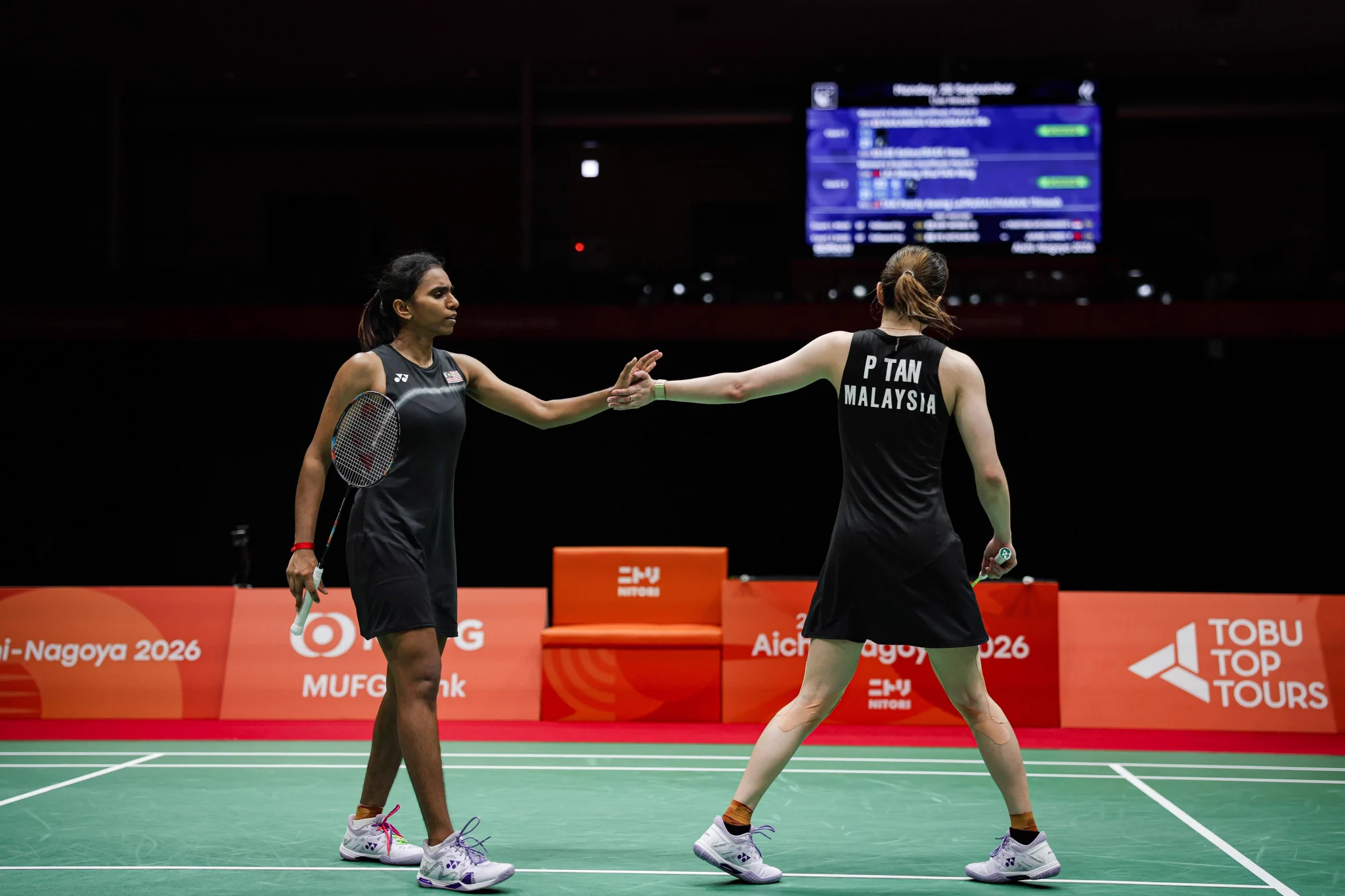
The Malaysian badminton contingent returned from Aichi-Nagoya with just one bronze medal, secured by the formidable women's doubles pair, Pearly Tan–M Thinaah. This fell short of BAM's stated official target of one silver and one bronze. While the association's president, Tengku Zafrul Abdul Aziz, hinted at internal goals, the stark reality is that Pearly–Thinaah were the lone bright spot on the podium.
The Olympic Shadow: Is Continental Glory Taking a Backseat?
Dr. Pekan Ramli didn't mince words, expressing deep disappointment over the squad's overall performance. "Are we interested only in the Olympics?" he queried, highlighting a perceived imbalance in focus. His observation suggests a troubling "mentality" within both the association and the players, implying a diminished drive for success at the Asian Games. This begs the question: is Malaysia inadvertently sacrificing immediate regional dominance for a long-term, yet often elusive, Olympic dream?
Early Exits and Widespread Frustration
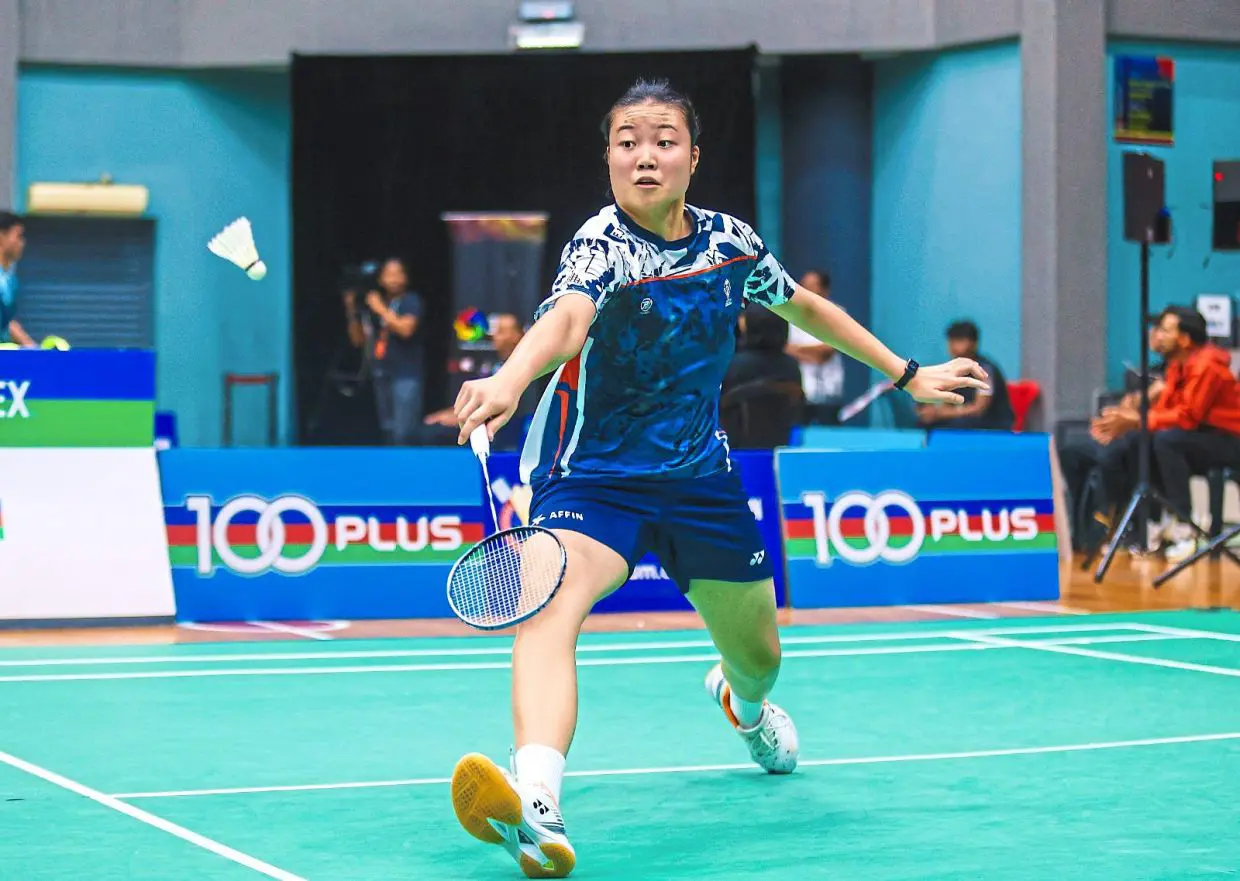
The depth of the challenge became painfully clear with early exits across nearly all individual events. Men's singles hopes Leong Jun Hao and Justin Hoh crashed out in the last 16. In women's singles, Wong Ling Ching and K Letshanaa saw even quicker departures. The men's doubles pairs, including established names like Goh Sze Fei–Nur Izzuddin Rumsani and Aaron Chia–Tee Kai Wun, surprisingly faltered in the second round. Mixed doubles efforts from Goh Soon Huat–Shevon Lai and Chen Tang Jie–Cheng Su Yin also ended prematurely, alongside both Malaysian team events exiting in the quarter-finals. These results painted a grim picture of widespread underperformance.
Beyond Rankings: Demanding True Accountability
Pekan Ramli emphatically argued that BAM must move beyond a narrow focus on world rankings when setting medal objectives. "Being world No. 1 does not guarantee a gold medal," he declared, stressing that every player, regardless of their current standing, must be tasked with a clear mandate: to fight for gold or a serious medal challenge. He warned that placing undue expectation solely on the highest-ranked athletes could inadvertently breed a sense of complacency among others, absolving them of responsibility.
Consistent Pressure: No Olympic-Year Only Push
The analyst further criticized what he views as a fluctuating sense of urgency within the Malaysian badminton ecosystem. He observed that significant pressure and focus seem to only intensify as the Olympics draw near. Pekan Ramli advocates for consistent and year-round enforcement of high standards. He urged BAM to implement "clear key performance indicators" (KPIs) for all players and to rigorously enforce them. Crucially, he suggested that failure to meet these targets should carry consequences, including the possibility of exclusion from future tournaments, ensuring a continuous drive for excellence.