
The Unsettling Truth: Driver Safety at Risk
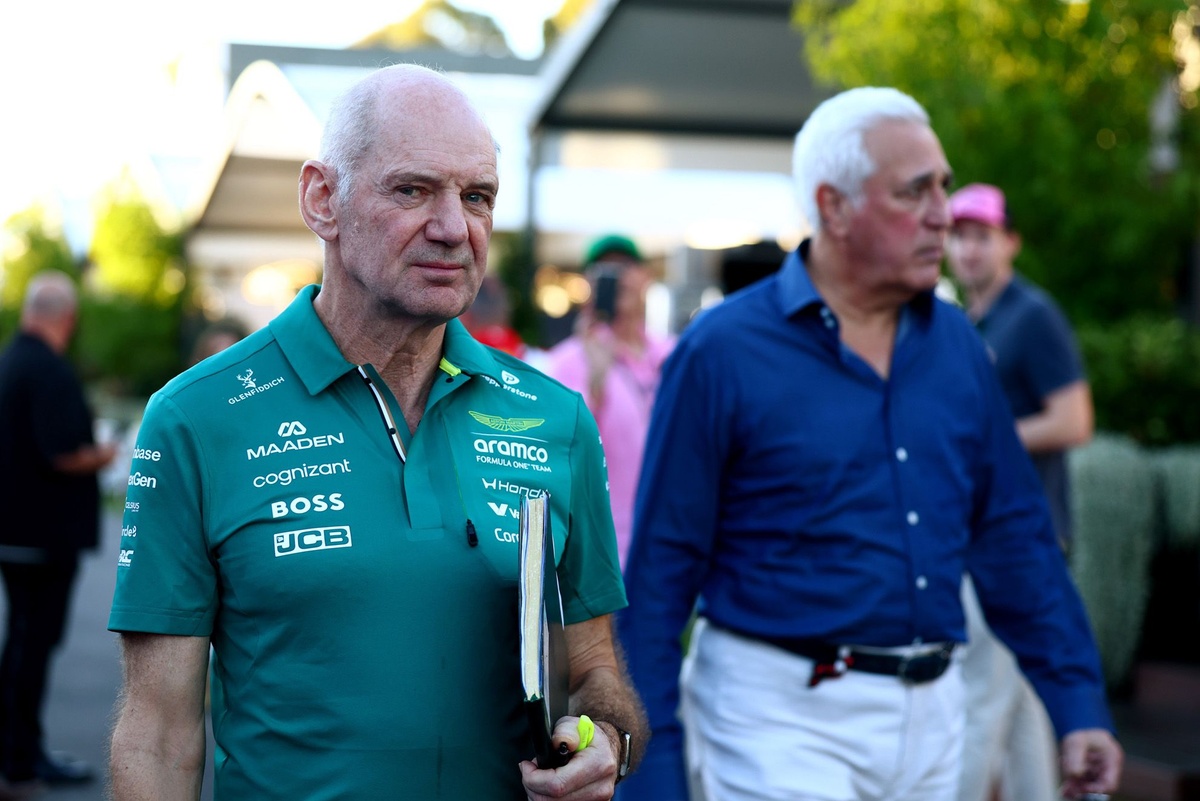
The revelation of intense vibrations from the Honda V6 engine has sent shockwaves through the sport. Aston Martin team boss Adrian Newey, alongside Honda Racing Corporation president Koji Watanabe, confirmed that these vibrations are so severe they're transmitted directly to the drivers' hands.
"The power unit is the source of the vibrations," stated Newey, highlighting the gravity of the situation. He added the most worrying aspect: the risk of "permanent damage to the nerves in their hands." This isn't just a performance issue; it's a critical safety concern for their drivers.
Why the Public Outcry? A Strategic Maneuver
It's highly unusual for Formula 1 teams to publicly air such critical problems, especially regarding sensitive issues like safety. This isn't an accidental leak; it's a calculated, strategic move by Aston Martin and Honda to leverage public and regulatory pressure on the FIA.
They face monumental challenges that require more than just technical fixes. They need a complete overhaul of their engine project, a task made nearly impossible under current FIA regulations and budget caps. This transparency is their gamble to force change.
Battling Bureaucracy: The FIA Roadblock
The existing 2026 F1 power unit regulations offer "Additional Development and Upgrade Opportunities" (ADUO), designed to help struggling engine manufacturers. However, there's a huge catch for Honda: performance-related changes are only permitted after the sixth race of the 2026 F1 season, currently scheduled for Miami or Monaco depending on the calendar.
While reliability fixes might get a quicker green light, the deep-seated performance issues can't wait that long. Aston Martin and Honda are desperate to bring this timeline forward, arguing that waiting risks driver well-being and competitive parity.
The Cost Cap Conundrum
Adding another layer of complexity is the stringent cost cap for power unit manufacturers. Even with ADUO allowances for extra test bench hours and a slight budget increase, the scale of intervention Honda needs goes far beyond what the regulations permit for a 4% performance deficit.
The current framework simply doesn't account for the massive investment required to fundamentally redesign an engine experiencing such profound issues. This is why their public statements are also a direct demand for a "significant increase in the budget" to tackle the problem effectively.
Aston Martin's Urgent Call to Action
The alarm raised by Aston Martin and Honda has a clear dual purpose: secure a vastly increased budget and dramatically accelerate the regulatory timeline for engine development. By invoking the specter of "safety reasons," they are attempting to create an exceptional case that the FIA cannot ignore.
The urgency was further amplified by Newey's comments about "numerous battery failures," casting doubt on whether both Aston Martin cars can even complete a race weekend. This multifaceted crisis demands an immediate and flexible response from the governing body, or the 2026 F1 season could be a dangerous and uncompetitive ordeal for the green team.